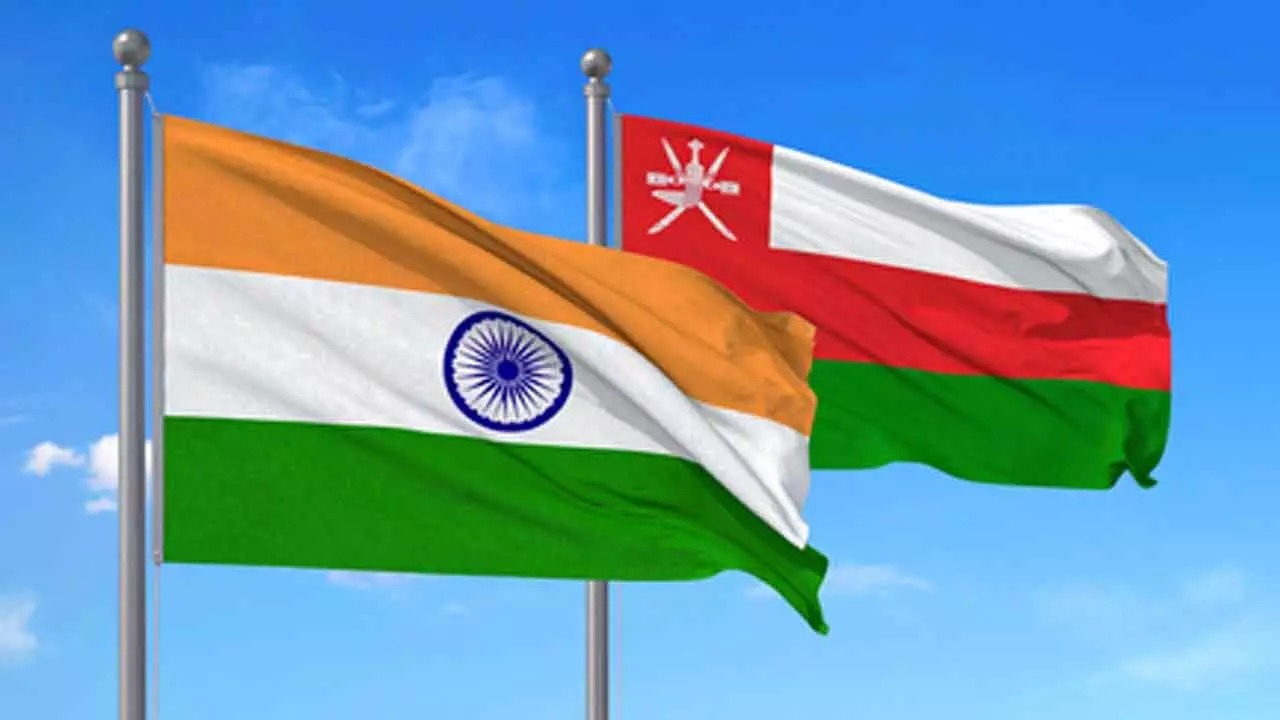
India’s Minister of Commerce and Industry, Piyush Goyal, has provided important updates on India’s trade negotiations with Gulf countries, highlighting the nearing completion of the Free Trade Agreement (FTA) with Oman and ongoing progress toward potential agreements with Qatar. In a...
India’s Minister of Commerce and Industry, Piyush Goyal, has provided important updates on India’s trade negotiations with Gulf countries, highlighting the nearing completion of the Free Trade Agreement (FTA) with Oman and ongoing progress toward potential agreements with Qatar. In a strategic effort to boost bilateral trade, enhance economic cooperation, and diversify markets, these developments mark key milestones in India’s expanding footprint in the Gulf Cooperation Council (GCC) region. Qatar’s expressed interest in talks signals a positive trajectory for deepening commercial ties.
Key Highlights On India’s Trade Dialogue With Oman And Qatar
The India-Oman Free Trade Agreement is nearing finalization after extensive rounds of negotiations, aimed at boosting bilateral commerce by reducing tariffs and regulatory barriers.
Qatar has formally expressed its intent to initiate trade talks with India, seeking to explore possibilities for a comprehensive trade agreement.
Piyush Goyal emphasized India’s commitment to strengthening multilateral economic ties and building resilient supply chains with GCC nations.
Both Oman and Qatar remain vital partners given their strategic location, energy resources, and growing investment in infrastructure and technology.
Enhanced trade relations are expected to facilitate increased exports of pharmaceuticals, engineering goods, electronics, and IT services from India.
Discussions include provisions for eased market access, protection of intellectual property, and mechanisms to promote investment flows.
India aims to leverage these FTAs to gain preferential access, enhance competitiveness, and foster job creation domestically.
The negotiations align with India’s broader “Look West” policy focusing on stronger economic and diplomatic engagement with the Middle East.
Understanding The Significance Of India-Oman FTA
The forthcoming India-Oman FTA represents a landmark trade pact with substantial economic implications.
Oman is a critical energy supplier and maritime hub linking India to global trade routes.
The agreement promises to phase out tariffs on hundreds of goods, facilitating smoother trade flows.
Enhanced cooperation could spur Oman’s role as a manufacturing and logistics partner for Indian businesses.
It also bolsters bilateral investment, technology collaboration, and services sector growth.
Qatar’s Interest In Trade Talks: Moving Beyond Energy
-
Qatar’s pursuit of negotiations signifies an interest in broadening cooperation beyond its traditional role as an energy-rich nation.
-
Qatar seeks access to India’s vast market for its diverse products including petrochemicals, metals, and consumer goods.
-
Talks may address barriers in sectors such as agriculture, healthcare, and digital services.
Both countries share interests in boosting innovation, clean energy, and infrastructure development.
The dialogue reflects mutual desire to deepen strategic economic partnership amid shifting global trade dynamics.
Challenges And Opportunities In Gulf Trade Agreements
While promising, India’s trade agreements in the Gulf region require careful navigation.
-
Differences in regulatory standards, tariffs, and intellectual property rights present negotiation challenges.
-
Ensuring equitable benefits for Indian MSMEs and exporters is a priority.
-
Geopolitical complexities and regional stability influence trade policies and investment climates.
However, successful FTAs can diversify export markets, reduce dependence on traditional partners, and attract foreign direct investment.
Economic Impact And Future Prospects
-
FTAs with Oman and potentially Qatar could have wide-ranging benefits for India’s economy.
-
Increased exports could help narrow trade deficits and generate foreign exchange.
-
Growth in manufacturing, services, and technology sectors are likely to accelerate.
-
Job creation, skill development, and infrastructure investment are expected to follow.
-
Expanding partnerships with Gulf countries mirrors India’s aspirations as a global economic powerhouse.
Summary Of India’s Trade Negotiations With Oman And Qatar
-
India-Oman FTA nearing completion with tariff cuts and trade facilitation lined up.
-
Qatar seeks to initiate trade talks to explore comprehensive economic cooperation.
-
Discussions focus on market access, investment promotion, and intellectual property safeguards.
-
Gulf partnerships essential to India’s strategic economic and energy security considerations.
-
FTAs expected to catalyze export growth, job creation, and bilateral business opportunities.
In conclusion, India’s advancing trade dialogue with Oman and Qatar exemplifies a proactive and multifaceted approach to deepen economic integration with the Gulf region. As negotiations progress, these agreements hold promise to unlock new avenues of prosperity, innovation, and strengthened geopolitical ties for India.
Sources: Ministry of Commerce and Industry, Economic Times, The Hindu Business Line, Reuters