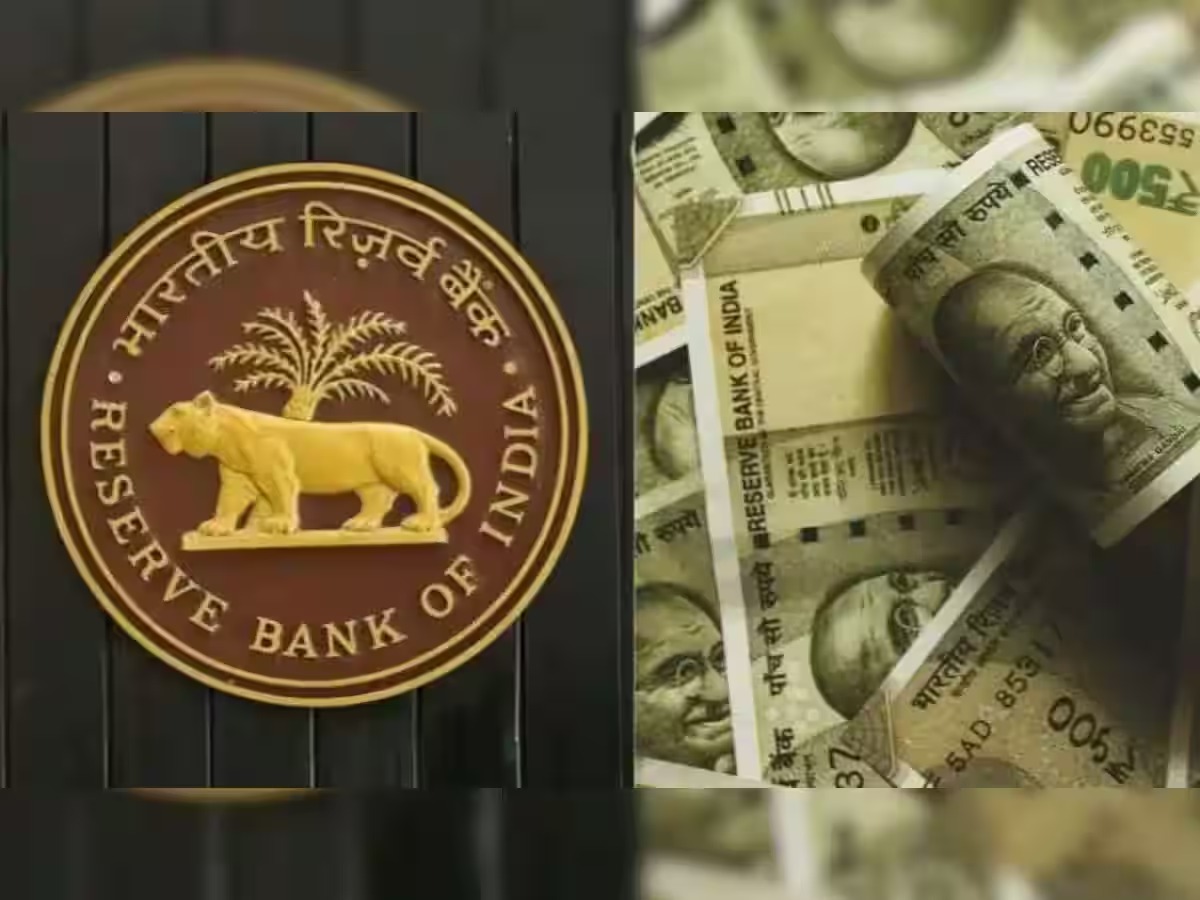
In a landmark move to internationalize the Indian rupee and strengthen regional economic ties, the Reserve Bank of India (RBI) has proposed allowing domestic banks to begin rupee-denominated lending to borrowers in Bangladesh, Nepal, Bhutan, and Sri Lanka. The proposal, which is currently awaitin...
In a landmark move to internationalize the Indian rupee and strengthen regional economic ties, the Reserve Bank of India (RBI) has proposed allowing domestic banks to begin rupee-denominated lending to borrowers in Bangladesh, Nepal, Bhutan, and Sri Lanka. The proposal, which is currently awaiting government approval, is part of a broader strategy to boost the rupee’s global footprint and facilitate smoother trade and investment flows within South Asia.
Rupee Lending to Overseas Borrowers:
The RBI’s plan would enable Indian banks to extend rupee loans directly to entities in Bangladesh, Nepal, Bhutan, and Sri Lanka. This is a significant shift from the current framework, which largely relies on currency swap arrangements and trade settlements in rupees. The move is designed to make cross-border financing more accessible and reduce dependence on the US dollar for regional trade.
Accounts and Investment Access:
As part of its 2024-25 agenda, the RBI will permit the opening of rupee accounts outside India by persons resident outside India (PROIs), allowing them to borrow, invest, and settle trade in rupees. This includes enabling foreign direct investment (FDI) and portfolio investment through special non-resident rupee (SNRR) and special rupee vostro accounts (SRVA), further easing cross-border financial flows.
Boost for Rupee Internationalization:
The RBI’s latest annual report and recent regulatory steps highlight a clear push to internationalize the rupee. By allowing rupee lending and accounts outside India, the RBI aims to encourage local currency settlements, reduce foreign exchange risk, and support liquidity in the region, especially during periods of financial stress.
SAARC and Bilateral Support:
India has a history of supporting its neighbors through currency swap arrangements under the SAARC framework, with a total corpus of $2 billion (recently renewed for 2024-27). The new proposal goes further by allowing direct rupee lending, which could provide a more stable and predictable funding source for neighboring economies facing balance of payments or liquidity challenges.
Strategic and Economic Impact:
The initiative is expected to deepen India’s economic influence in South Asia, facilitate easier trade settlements, and help neighboring countries manage forex reserves more efficiently. It also aligns with India’s broader policy of fostering regional cooperation and financial stability.
Awaiting Government Nod:
While the RBI has finalized its strategic plan, the proposal requires government approval before implementation. Once cleared, it will mark a new era in India’s cross-border banking and currency policy.
Outlook:
If approved, the RBI’s rupee lending initiative could transform South Asian financial integration, making the rupee a preferred currency for trade, investment, and development finance in the region. The move signals India’s growing confidence in the rupee and its commitment to regional economic leadership.
Sources: Business Standard, Economic Times, Sputnik News, Yale New Bagehot Project