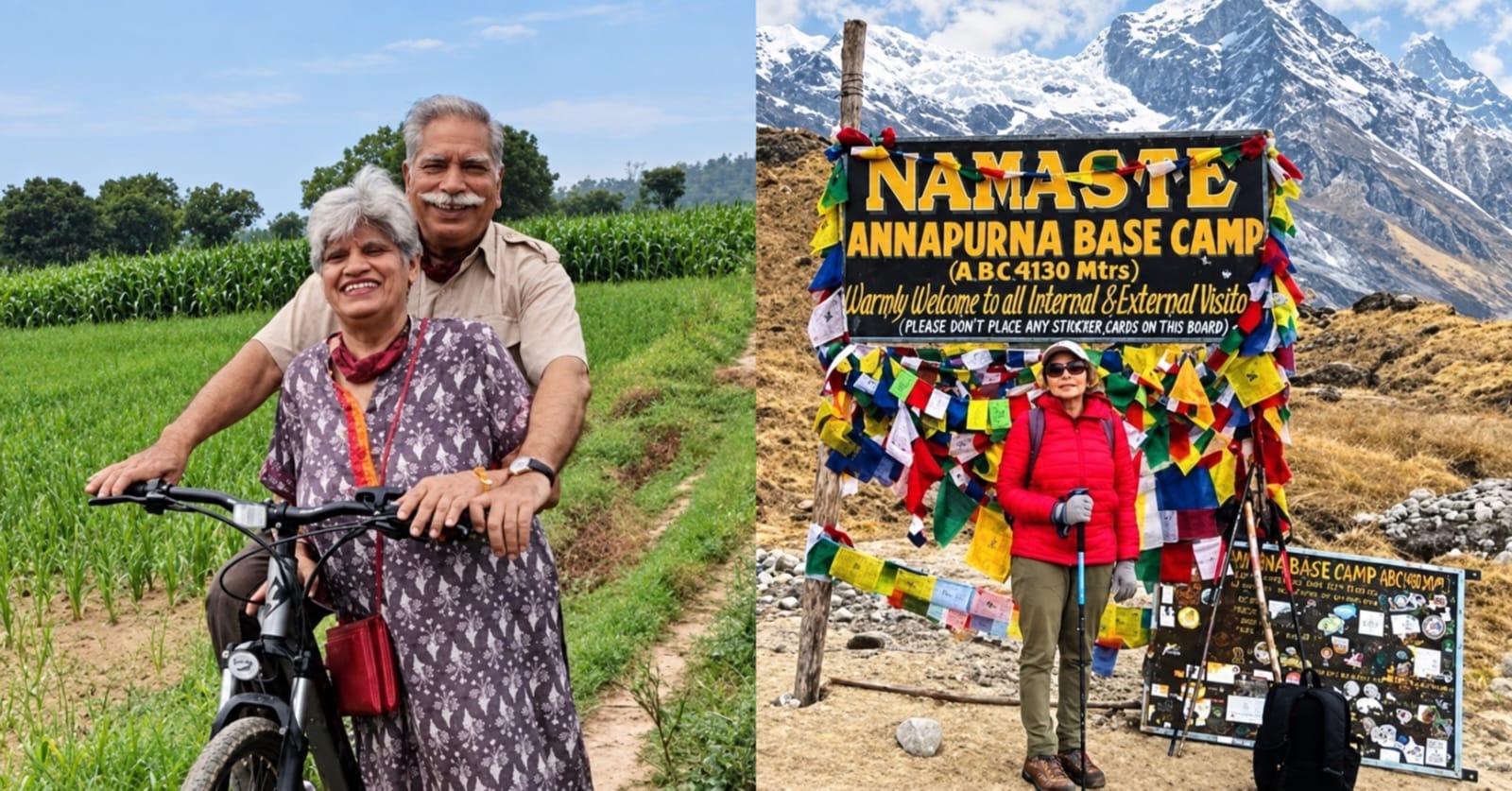
Urban seniors in India are redefining post-retirement life by building active social networks through supper clubs, sports, and group travel. Moving beyond traditional family dependency, older adults are cultivating vibrant peer communities that combat isolation, promote physical wellness, and foster a dynamic new era of aging.
New Delhi — As urbanization and changing family dynamics reshape traditional households, a growing demographic shift is redefining post-retirement life across India. According to recent lifestyle reports and sociological observations published by India Today, older adults aged 60 and above are increasingly moving away from isolated routines. Instead, they are establishing active social circles through specialized supper clubs, competitive recreational sports like pickleball, structured group travel, and community engagement programs. This evolving ecosystem addresses rising longevity and urban isolation, transforming how senior citizens experience modern aging.
The Rise of Alternative Senior Communities
The traditional model of relying exclusively on extended family for social interaction is undergoing a rapid evolution in metropolitan centers such as Bengaluru, Mumbai, Delhi, and Chennai. With nuclear family structures becoming the norm and younger generations balancing demanding corporate careers, urban seniors are taking initiative to curate their own social environments.
According to lifestyle analysts and community organizers, specialized platforms catering to the silver generation have recorded a surge in participation. Activities ranging from morning fitness bootcamps and hobby workshops to shared interest groups are providing older citizens with reliable avenues for emotional support and intellectual stimulation.
Sports, Travel, and Active Lifestyles
Physical wellness and leisure travel have emerged as cornerstones of this modern senior lifestyle. Rather than sedentary retirement pastimes, contemporary retirees are engaging in sports tailored to active aging, including community pickleball leagues, walking groups, and yoga collectives.
Furthermore, specialized group travel operators report a steady rise in senior-focused domestic and international tourism packages. Sociological studies note that these shared adventures allow older adults to forge deep, peer-based friendships, significantly reducing the psychological burdens of loneliness and depression often associated with post-retirement transitions.
Impact on Health, Business, and Society
The growing wave of active aging carries extensive practical implications across multiple sectors:
For Healthcare Systems: Regular social engagement and physical activity contribute significantly to lower rates of cognitive decline and geriatric depression among older populations.
For Consumer Markets: Businesses are beginning to recognize the "silver economy," tailoring specialized housing, travel packages, and wellness products specifically to active seniors.
For Urban Planners: Communities are facing increased demand for accessible public recreational spaces, dedicated senior clubs, and safe neighborhood infrastructure.
Official Sources Section
Insights regarding demographic trends, senior community initiatives, and lifestyle shifts are drawn from public interest reports, urban sociological assessments, and lifestyle features published by India Today and geriatric welfare organizations.
"Organizers stated that creating structured spaces for older adults to connect, learn, and travel together is essential for addressing urban isolation and improving the overall quality of life during retirement," lifestyle community coordinators noted.
Why It Matters
As life expectancy climbs and urban environments become increasingly fast-paced, the mental and emotional well-being of older adults requires deliberate community-building. By establishing active peer networks and engaging in new hobbies past the age of 60, India's seniors are proving that later life can be a period of profound personal reincovery, independence, and strong social connection.
Key Facts at a Glance
Emerging Social Hubs: Urban seniors are actively forming communities through supper clubs, recreational sports, and interest-based groups.
Shift in Retirement Culture: Moving away from traditional isolation, older adults are embracing independent social lives centered around travel and wellness.
Health Benefits: Regular group activities and physical sports significantly mitigate loneliness and improve mental well-being in later life.
Market Adaptation: The rise of the active silver generation is fueling a specialized "silver economy" geared toward senior travel and lifestyle products.
FAQ Section
Why are seniors in India seeking out new social networks?
With the rise of nuclear families and urban migration, older adults are proactively building peer communities to combat post-retirement isolation and find meaningful companionship.
What kind of activities are popular among urban seniors today?
Popular activities include specialized supper clubs, recreational sports like pickleball, group fitness initiatives, and curated group travel experiences.
How does active socialization impact the health of older adults?
Regular social interaction and physical engagement help reduce cognitive decline, lower stress, and prevent depression among senior citizens.
Are businesses adapting to India's growing senior demographic?
Yes, companies are increasingly catering to the "silver economy" by offering specialized travel services, wellness programs, and community-centric living options.
Source: India Today, geriatric welfare updates, and urban lifestyle sociological studies.