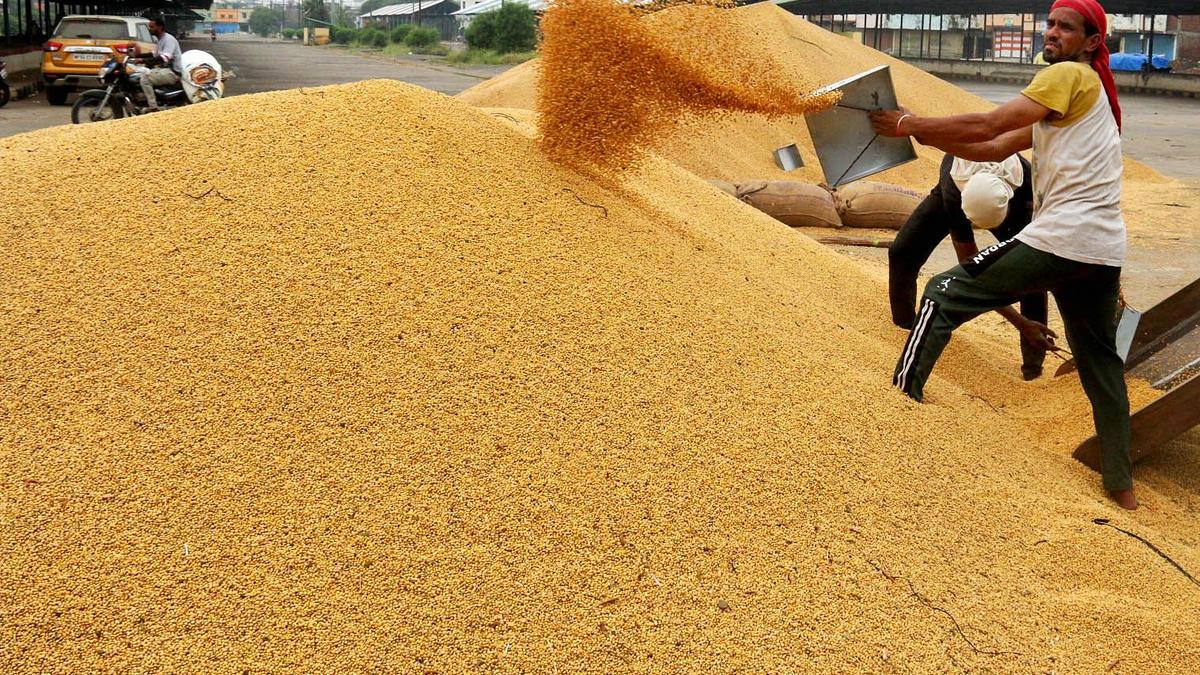
According to data from industry body SOPA, India’s soybean imports spiked 65% in May to a record 200,000 metric tons due to a severe domestic supply deficit. Total 2025/26 annual imports are projected to reach an unprecedented 900,000 metric tons as crushers actively buy non-GM African supplies to mitigate rising livestock feed costs.
MUMBAI, India — India’s soybean imports surged 65% in May 2026 compared to the previous month, reaching an all-time record high of 200,000 metric tons. Data released by the Soybean Processors Association of India (SOPA) on Monday reveals a dramatic shift in agricultural trade flows, driven by domestic soybean prices climbing to their highest levels in four years.
The rapid influx of imports marks an unprecedented pivot for the South Asian nation, which traditionally operates as a dominant regional exporter of livestock feed. A lower domestic crop during the current marketing year has severely depleted local inventories, forcing solvent extraction plants and crushers to look overseas to maintain structural operations and stabilize skyrocketing livestock feed costs.
African Supply Pipelines Reorient Global Trade Flows
The record 200,000 metric tons imported in May indicates sharp acceleration from the 121,000 metric tons brought in during April. By comparison, India imported virtually no overseas soybeans during the same period last year.
Because India enforces strict statutory bans on the commercial import of genetically modified (GM) agricultural commodities, domestic crushers cannot source cheaper, bulk soy supplies from the world’s top producers, such as the United States, Brazil, or Argentina. Instead, Indian traders are routing orders exclusively to a select group of non-GM producing African nations, primarily Benin, Togo, Nigeria, and Niger.
This narrow geographic purchasing window has allowed African exporters to command a steep premium, selling non-GM oilseeds at prices ranging between $700 and $760 per metric ton on a cost, insurance, and freight (CIF) basis to India.
SOPA Upgrades Full-Year Forecast to Historic Levels
The sudden reliance on imported raw materials has forced industry bodies to aggressively adjust their long-term supply estimates. SOPA officially raised its total soybean import projection for the 2025/26 marketing year—which ends in September 2026—to a record-shattering 900,000 metric tons. This represents a significant upward revision from the trade body's previous forecast of 600,000 metric tons.
The scale of this shift becomes stark when compared against historical baselines; India imported a mere 2,000 metric tons of soybeans during the entire previous marketing year.
Market Impacts on Poultry and Consumer Sectors
The ongoing domestic seed shortage has directly upended regional feed economics. Local soymeal prices jumped roughly 41% over the past month, hitting 66,000 Indian rupees (~$790 USD) per metric ton. This internal price rally pushed Indian export offers for overseas buyers to $695 per ton, completely pricing the country out of global markets where South American alternatives trade near $430 per ton.
The impacts of this pricing imbalance are hitting multiple sectors:
Poultry and Dairy Producers: Livestock operations face immediate cost pressure, as soymeal serves as the core high-protein ingredient in animal feed mixtures.
Crushing Operations: Local extraction plants are operating on razor-thin crushing margins, utilizing imported African beans to prevent full operational shutdowns.
International Buyers: Traditional buyers of Indian non-GM soymeal in Asia and Europe are being forced to alter procurement contracts as Indian traders execute rare contract washouts to retain supply locally.
Official Sources Section
The verified data and revised supply-demand balance sheets were issued directly via official market circulars from the Soybean Processors Association of India (SOPA), the apex industrial trade group monitoring domestic crushing volumes and terminal port arrivals. Supplementary trade data, pricing indicators, and export cancellations were compiled via regulatory monitoring of Indian agricultural shipping logs.
Quote Section
"The drop in Indian exports is likely to help suppliers in South and North America increase soymeal shipments to Asian buyers that traditionally source from India," stated an industry analyst trackable via Reuters. "Tight domestic supplies are keeping soybean prices firm, and that is likely to keep soymeal prices elevated over the next few months until the arrival of the new crop."
Why It Matters
The transformation of India from a competitive regional exporter into an aggressive net importer of raw soybeans signals structurally tight domestic inventories that could influence food inflation index rates. If the upcoming kharif (monsoon-sown) crop planting encounters weather delays later this month, sustained high input costs for feed could translate into higher consumer retail prices for poultry, dairy, and basic dietary protein staples across Indian household markets through the third quarter of 2026.
Key Facts at a Glance
Monthly Record: May soybean imports jumped 65% month-on-month to an unprecedented 200,000 metric tons.
Annual Forecast: Full-year import targets expanded to 900,000 metric tons, up from just 2,000 metric tons prior.
Price Drivers: Tight local inventories caused four-year highs in domestic spot markets, making local crushing uneconomical without foreign inflows.
Trade Rules: Non-GM import restrictions lock Indian buyers into premium-priced purchasing arrangements with African suppliers.
Frequently Asked Questions
Why can't India buy cheaper soybeans from the US or Brazil?
India's regulatory framework prohibits the commercial import of genetically modified crops. Because the vast majority of soy cultivation in major exporting countries like the US, Brazil, and Argentina utilizes GM seed varieties, Indian trade is restricted to select countries offering verified non-GM crops.
What is the connection between soybeans and poultry prices?
When soybeans are processed, they yield vegetable oil and solid soymeal. Soymeal is the primary high-protein component used globally to manufacture animal feed. When raw soy prices spike, feed costs rise, squeezing poultry farming margins and leading to higher retail prices for chicken and eggs.
When are domestic prices expected to normalize?
Market analysts expect supply constraints and price volatility to persist until the next domestic crop harvest begins hitting terminal wholesale markets in late September and October.
Source: Soybean Processors Association of India (SOPA) Market Intelligence