India’s sugar industry is calling for a series of policy interventions ahead of the 2025–26 sugar season, citing a projected surge in production and the need to balance domestic supply, ethanol blending targets, and export opportunities. The Indian Sugar and Bio-energy Manufacturers A...
India’s sugar industry is calling for a series of policy interventions ahead of the 2025–26 sugar season, citing a projected surge in production and the need to balance domestic supply, ethanol blending targets, and export opportunities. The Indian Sugar and Bio-energy Manufacturers Association (ISMA), led by President Gautam Goel, has urged the central government to raise ethanol procurement prices, increase the minimum selling price (MSP) of sugar, permit higher diversion of sugar for ethanol, and allow a limited export quota to prevent oversupply and price volatility.
The recommendations come amid expectations of an 18 percent rise in sugar output, driven by favorable monsoon conditions, expanded cane acreage, and improved recovery rates across key producing states.
Key Highlights From ISMA’s Policy Appeal
- India’s sugar production for 2025–26 is projected to reach 34.9 million tonnes, up from 29.5 million tonnes last season
- ISMA recommends diverting 5 million tonnes of sugar for ethanol production, up from 3.4 million tonnes in 2024–25
- The industry seeks approval to export 2 million tonnes of sugar to manage surplus
- ISMA urges a revision in ethanol procurement prices, especially for B-heavy molasses and cane juice-based variants
- The association also calls for an increase in the MSP of sugar to support mill viability and farmer payments
Ethanol Diversion And Blending Targets
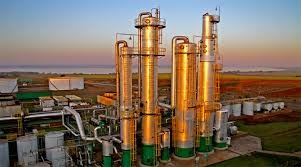
India’s ethanol blending program has become a cornerstone of its energy transition strategy, aiming to reduce dependence on imported crude and lower carbon emissions. With over Rs 40,000 crore invested in ethanol production infrastructure, sugar mills are now capable of diverting larger volumes of sugar toward biofuel manufacturing.
ISMA’s proposal to divert 5 million tonnes of sugar for ethanol in 2025–26 aligns with the government’s target of achieving 20 percent ethanol blending in petrol by 2026. The industry body emphasized that timely approval for diversion volumes is essential to avoid a glut in the sugar market and ensure stable prices.
Ethanol produced from B-heavy molasses and cane juice is more efficient and environmentally friendly, but current procurement prices are seen as insufficient to incentivize production. ISMA has requested a price revision to reflect rising input costs and ensure commercial viability.
Export Quota And Global Market Positioning
With domestic consumption estimated at 28.5 million tonnes, ISMA believes there is room to export up to 2 million tonnes of sugar without disrupting internal supply. In the current 2024–25 season, only 1 million tonnes were permitted for export, despite tight balances.
The association argues that early export approvals will allow mills to lock in favorable global prices and manage inventory more effectively. India has emerged as a reliable supplier in the global sugar market, and maintaining that position requires predictable policy support.
Minimum Selling Price And Mill Sustainability
The MSP of sugar, currently set at Rs 3,100 per quintal, has remained unchanged since 2019. ISMA contends that rising production costs, higher cane prices, and inflationary pressures necessitate an upward revision. A higher MSP would enable mills to meet their financial obligations to farmers and sustain operations without resorting to distress sales.
The association also highlighted that several states, including Uttar Pradesh and Maharashtra, have increased cane prices, further squeezing mill margins. Without a corresponding rise in sugar MSP, mills may struggle to remain solvent, especially smaller units with limited ethanol capacity.
Regional Production Trends
ISMA’s preliminary estimates show strong growth in sugar output across major states:
- Maharashtra: 13.26 million tonnes, up from 9.33 million tonnes
- Uttar Pradesh: 10.25 million tonnes
- Karnataka: 6.61 million tonnes
Improved rainfall and better agronomic practices have contributed to higher yields and recovery rates, reinforcing the need for proactive policy adjustments.
Forward Outlook
As India prepares for a bumper sugar season, the industry’s appeal for ethanol price revision, MSP hike, and export quota reflects a broader need for integrated policy planning. Timely decisions will not only stabilize the domestic market but also support India’s energy goals and global trade commitments.
Sources: Times of India, Business Standard, Department of Food and Public Distribution