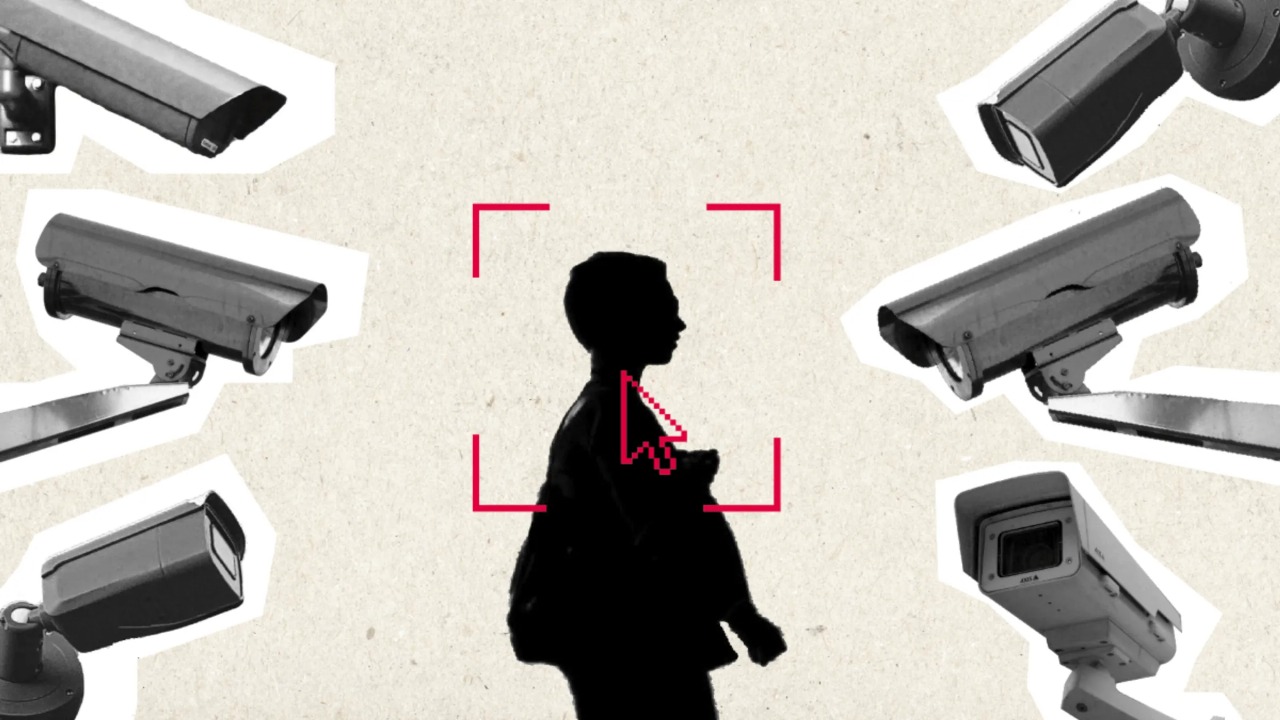
As digital footprints grow and geopolitical tensions rise, India’s surveillance framework is once again under scrutiny. A recent wave of arrests under espionage charges and renewed global criticism of India’s intelligence practices have reignited debate over the country’s legal...
As digital footprints grow and geopolitical tensions rise, India’s surveillance framework is once again under scrutiny. A recent wave of arrests under espionage charges and renewed global criticism of India’s intelligence practices have reignited debate over the country’s legal architecture for surveillance. From the colonial-era Official Secrets Act to opaque intelligence operations, experts are questioning whether India’s laws are keeping pace with democratic accountability and digital rights.
Here’s a comprehensive look at the laws that empower surveillance—and the growing calls for reform.
Key Developments Triggering the Debate
- Eleven individuals, including a popular travel blogger, were arrested in May 2025 for allegedly spying for Pakistan
- Charges were filed under the Official Secrets Act and the Bharatiya Nyaya Sanhita, India’s new criminal code
- The US Commission on International Religious Freedom (USCIRF) recommended sanctions against India’s external spy agency RAW over alleged overseas assassination plots
- India rejected the report as biased and politically motivated, defending its commitment to national security and religious freedom
What Is the Official Secrets Act?
- Enacted in 1923, the law criminalizes the sharing of sensitive government information
- It applies to all citizens and government employees, covering codes, passwords, maps, and classified documents
- Violations can lead to imprisonment ranging from three years to life, depending on the severity
- Critics argue the law lacks safeguards for whistleblowers and is often used to suppress investigative journalism
The Bharatiya Nyaya Sanhita and New Surveillance Powers
- Replacing the Indian Penal Code in 2024, the Bharatiya Nyaya Sanhita includes provisions that expand the scope of national security offences
- Section 152 criminalizes unauthorized communication of sensitive information, even if not classified
- The law has been invoked in recent espionage cases, raising concerns about its potential misuse against dissenters or journalists
RAW and the Global Spotlight
- India’s Research and Analysis Wing (RAW) has faced international scrutiny following allegations of involvement in plots against Sikh separatists abroad
- The USCIRF’s 2025 report accused the agency of operating without sufficient oversight, calling for targeted sanctions
- India’s Ministry of External Affairs dismissed the claims, stating they were based on isolated incidents and lacked context
Why Experts Are Concerned
- India lacks a comprehensive data protection law or a dedicated legal framework to regulate intelligence agencies
- Surveillance orders are often issued under executive authority, with limited judicial review
- Civil liberties advocates warn that the current system enables mass surveillance without transparency or accountability
- The absence of parliamentary oversight over agencies like RAW and IB contrasts with practices in many democracies
What Reform Could Look Like
- Introduction of a privacy law with clear definitions of surveillance, consent, and redress mechanisms
- Establishment of an independent oversight body to audit intelligence operations
- Legal protections for whistleblowers and journalists reporting on national security issues
- Sunset clauses and periodic review of surveillance authorizations
As India navigates the balance between national security and civil liberties, the question remains: who watches the watchers? With technology evolving faster than legislation, the need for a modern, rights-respecting surveillance framework has never been more urgent.
Sources: India Today, The Independent, Business Standard, USCIRF Report 2025, Ministry of External Affairs India, MSN India, Tribune India, PTI