Indore’s Bhagirathpura faces a severe water contamination crisis with 16–17 deaths and over 1,400 illnesses. A 67-year-old woman has shown suspected Guillain-Barré symptoms, though stroke complications complicate diagnosis. The High Court slammed authorities for negligence. Residents are urged to boil water, use filters, and report symptoms promptly.
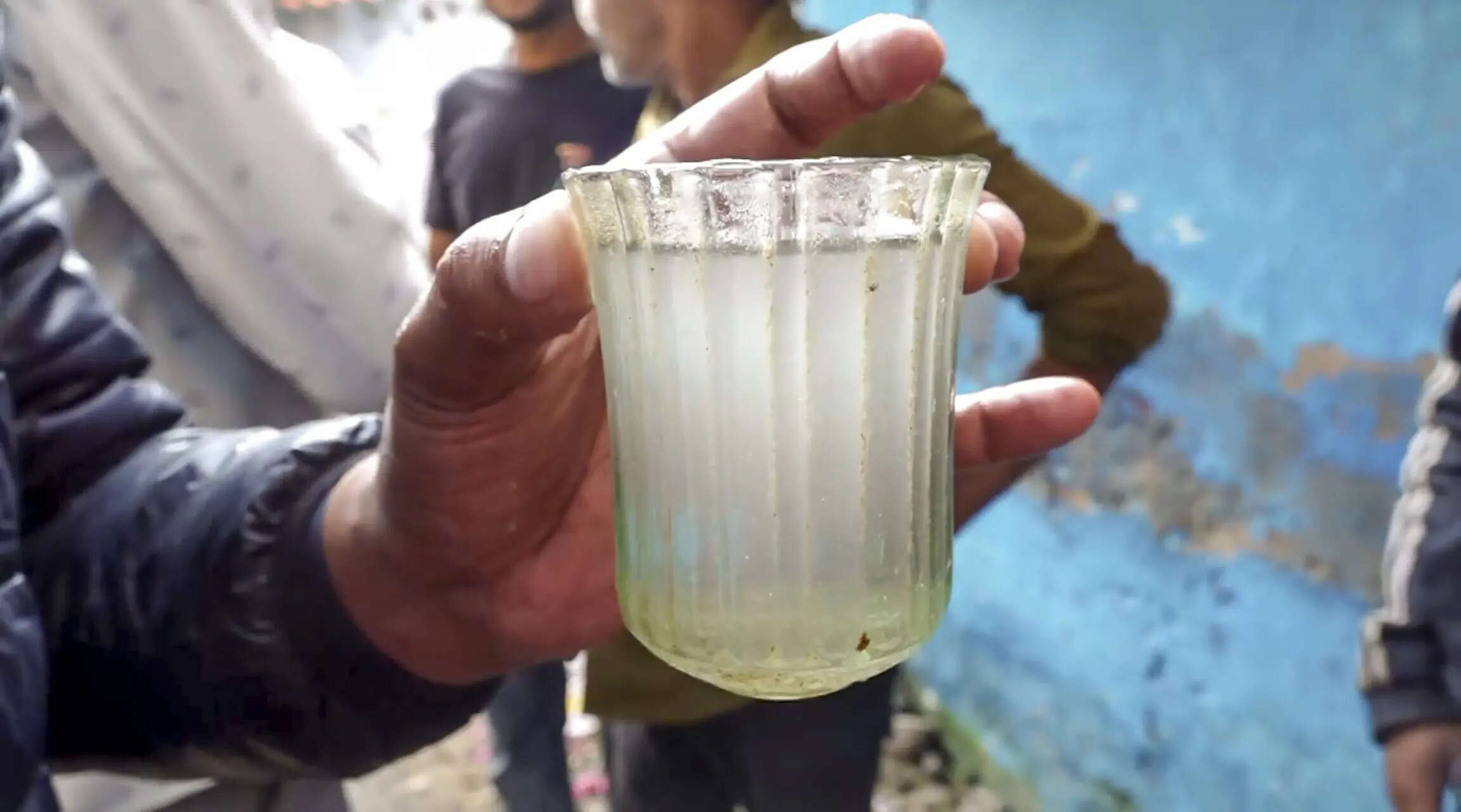
Indore, India’s cleanest city, is facing one of its gravest public health emergencies as contaminated drinking water continues to devastate residents in Bhagirathpura. The outbreak, which has already claimed 16–17 lives and left over 1,400 people ill, has now taken a worrying turn with reports of a 67-year-old woman showing Guillain-Barré Syndrome (GBS)-like symptoms.
Key Highlights
-
Outbreak Scale: The diarrhoea epidemic, triggered by sewage leakage into drinking water pipelines, has been formally classified as an epidemic. Residents had earlier complained of foul smell, bitter taste, and discoloured tap water.
-
Suspected GBS Case: The woman, identified as Parvati Kondla, was admitted with GBS-like symptoms. Doctors initially suspected the rare autoimmune disorder, though further examination revealed she also suffered a brain stroke, complicating diagnosis.
-
Judicial Intervention: The Madhya Pradesh High Court has strongly criticized the state government and Indore Municipal Corporation for negligence, demanding accountability and urgent corrective measures.
-
Health Risks: GBS is a rare neurological condition where the immune system attacks peripheral nerves, often triggered by infections. Symptoms include tingling, muscle weakness, difficulty walking, and in severe cases, paralysis and breathing problems.
-
Response Measures: State and central rapid response teams are inspecting pipelines, monitoring contamination, and providing medical support. Environmental checks are ongoing within a 600-meter radius of the affected area.
Precautionary Measures for Residents
To stay safe during the crisis, residents are advised to:
-
Boil water thoroughly before drinking or cooking.
-
Use bottled or filtered water where possible.
-
Maintain hygiene by washing hands frequently with soap.
-
Avoid consuming raw foods washed with tap water.
-
Report symptoms early such as diarrhoea, weakness, or tingling sensations to healthcare providers.
-
Store water safely in clean, covered containers to prevent recontamination.
Broader Implications
The suspected GBS case highlights how contaminated water can trigger rare but severe complications, underscoring the urgent need for robust water safety infrastructure. Experts warn that beyond diarrhoea and dehydration, outbreaks can lead to neurological disorders and long-term health risks. The crisis has also reignited debates about urban governance and accountability, especially in cities celebrated for cleanliness rankings.
Indore’s water crisis is a stark reminder that clean water is not just a civic amenity but a public health necessity. Authorities must act swiftly to restore trust, repair infrastructure, and ensure safe drinking water for all.
Sources: Moneycontrol, Shillong Times, NDTV, Times Now, Mayo Clinic, WHO, Cleveland Clinic