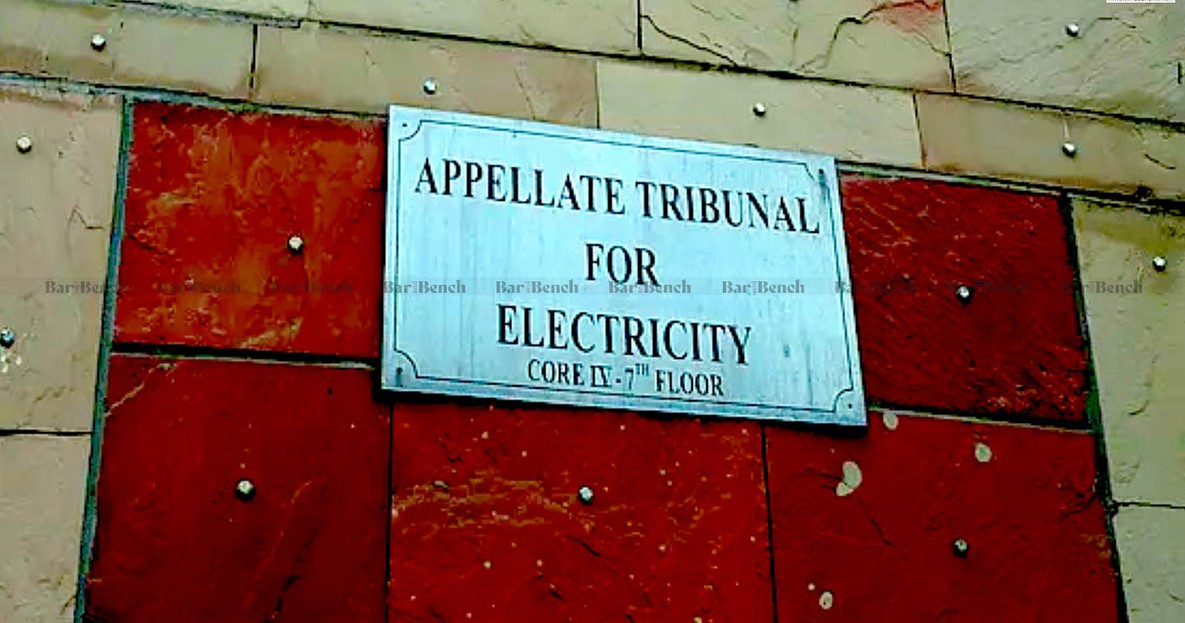
JSW Energy Ltd finds itself at a crucial legal crossroads following the recent rejection of its appeal by the Appellate Tribunal for Electricity (APTEL) concerning its battery storage project. The energy major is now contemplating escalating the matter to the Supreme Court, signaling a significan...
JSW Energy Ltd finds itself at a crucial legal crossroads following the recent rejection of its appeal by the Appellate Tribunal for Electricity (APTEL) concerning its battery storage project. The energy major is now contemplating escalating the matter to the Supreme Court, signaling a significant escalation in this regulatory dispute that could have broader implications for the renewable energy storage landscape in India.
Key Insights Into The APTEL Decision And JSW Energy's Planned Response
The APTEL verdict dismissed JSW Renewable Energy Ltd's (JSWREL) appeal challenging a prior regulatory order that impacted the company's planned battery storage operations.
JSW Energy Ltd is evaluating the next legal steps, with the Supreme Court appeal emerging as the most viable option to overturn the adverse ruling.
This case represents a pivotal moment not only for JSW Energy but also for how regulatory frameworks interpret and govern battery storage projects within India’s electricity sector.
Understanding The Core Of The Dispute
At the heart of the controversy lies the classification and regulatory treatment of battery storage projects. JSWREL had initiated proceedings to challenge the treatment it received under the electricity act regulations, arguing that the limitations or conditions imposed by the electricity regulatory commission were detrimental to the project's viability.
APTEL, after reviewing the submissions and the regulatory framework, sided against JSWREL, upholding the electricity commission’s order. This judgment has sparked concerns about the clarity and future policy direction for battery storage versus conventional electricity generation and distribution.
Implications For JSW Energy And The Broader Energy Market
This legal setback introduces uncertainty for JSW Energy’s battery storage ambitions, an area considered crucial for integrating renewable sources and stabilizing grid operations. Battery storage systems are vital to managing intermittent renewable energy supply, enhancing grid reliability, and supporting energy transition goals.
The rejection by APTEL reflects the current regulatory challenges faced by energy companies venturing into innovative storage solutions. The Supreme Court appeal, if pursued and successful, could set a landmark precedent benefiting the industry by clarifying the regulatory boundaries and fostering investor confidence in battery storage technologies.
What To Watch Moving Forward
Confirmation on the filing of the Supreme Court appeal by JSW Energy Ltd and the legal arguments being put forth.
The Supreme Court’s interpretation could reshape battery storage regulations, possibly encouraging more renewable energy storage projects.
The financial markets’ response to this development, considering the strategic importance of energy storage for future energy portfolios.
Broader regulatory reforms in energy sector policy frameworks that target balancing innovation with regulatory safeguards.
In conclusion, JSW Energy Ltd’s contemplation of escalating its dispute to the Supreme Court highlights a critical juncture in India's energy regulatory environment. The outcome of this proceeding could be instrumental in defining the future operational and investment landscape for battery storage projects, a cornerstone for the nation's clean energy ambitions.
Sources: Ministry of Power, Appellate Tribunal for Electricity, JSW Energy Ltd Official Statements