Meenakari has become a hallmark of modern Indian luxury in 2026, evolving from traditional bridal wear to minimalist, contemporary jewelry. This revival blends centuries-old Persian-origin enamel techniques with modern design, appealing to a new generation of consumers who value heritage, artisanal craftsmanship, and versatile, narrative-driven pieces.
Centuries-old enamel artistry is being reimagined for contemporary silhouettes, signaling a shift toward heritage-led "quiet luxury" in the Indian market.
NEW DELHI — The ancient craft of Meenakari, once reserved for the opulent courts of the Mughal Empire and the royal ateliers of Rajasthan, is undergoing a profound transformation. In 2026, this intricate enamel-on-metal technique has emerged as the definitive hallmark of modern Indian luxury, bridging the gap between historical craftsmanship and contemporary aesthetic demands.
As global consumers and high-net-worth individuals shift away from mass-produced opulence toward pieces with narrative and provenance, Meenakari has become a focal point for leading jewelry houses and fashion designers. Whether it is applied to lightweight, minimalist silver earrings or integrated into geometric, high-carat gold pendants, the technique is being celebrated for its "wearable art" appeal.
The Alchemy of Modern Craftsmanship
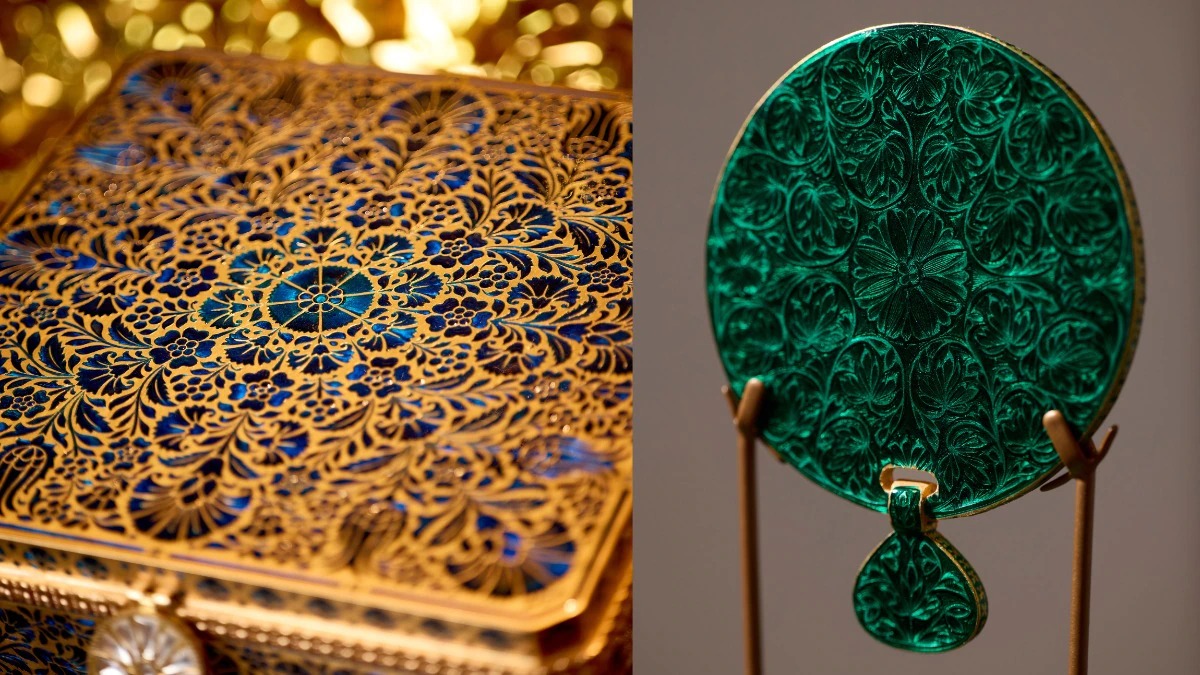
At its core, Meenakari involves the painstaking process of etching patterns into metal—typically gold or silver—and filling them with vibrant, kiln-fired glass enamel. While the technique remains labor-intensive, modern artisans are adapting it for a new generation of buyers who value versatility.
"Meenakari is no longer just about the heavy, traditional bridal sets of the past," says a spokesperson for a prominent heritage jewelry atelier. "We are seeing a trend where the enamel work acts as a soul, setting the jewelry aglow with molten hues, but applied to sleeker, more geometric shapes that suit a modern wardrobe."
According to industry reports, this revival is characterized by:
Minimalist Integration: Applying enamel to subtle, everyday-wear pieces like studs or bar bracelets.
Fusion Styling: Pairing Meenakari elements with modern metals like rose gold or moissanite to create contemporary contrast.
Color Narrative: Using saturated jewel tones—emerald greens, deep rubies, and royal blues—to provide a pop of color to neutral or western-inspired attire.
A Strategic Shift in Luxury Consumption
Market analysts attribute the surge in Meenakari’s popularity to the broader trend of "conscious luxury." Modern Indian consumers are increasingly seeking products that tell a story of regional heritage. This demand has spurred a resurgence in regional styles, from the bold, saturated tones of Jaipur’s Champlevé-style enamel to the delicate, translucent refinement of Bikaner and the subtle, ethereal whites of Lucknow.
"The demand for pieces that carry real heritage without feeling like costume jewelry is at an all-time high," notes an analyst covering the luxury sector. "By applying these age-old techniques to deeply contemporary silhouettes, designers are allowing the modern woman to wear history in a way that feels entirely current."
Official Sources
Information regarding the evolving market trends for Meenakari and fine jewelry is sourced from industry reports and analysis by Jewelspire, Pernia’s Pop-Up Shop, and heritage fashion archives. Trade data regarding the Indian jewelry sector's growth is corroborated by internal market assessments from the India Brand Equity Foundation (IBEF).
Quote Section
"Organizers stated that," the resurgence of Meenakari is driven by a desire for 'alchemy' in craftsmanship, where the technique is no longer merely ornamental but a poetic language of color that defines the wearer's identity.
Why It Matters
For the Indian luxury landscape, the pivot to Meenakari represents a sustainable growth model. By leveraging traditional skills, brands are fostering local artisan communities while catering to a global appetite for authentic, handcrafted luxury. For the consumer, it provides an opportunity to own high-value, culturally significant pieces that transcend seasonal trends.
Key Facts at a Glance
Heritage Revived: Meenakari, once a royal Mughal craft, is now a cornerstone of 2026 fine jewelry trends.
Technique: The craft involves hand-etching metal and firing colored glass enamel in a kiln to create durable, vibrant patterns.
Trend Shift: A transition from heavy, traditional bridal wear to lightweight, versatile, and geometric designs suited for daily and semi-formal wear.
Market Growth: The Indian jewelry sector, which includes significant contributions from heritage crafts, is forecasted to reach USD 150.10 billion by 2033.
Frequently Asked Questions
1. Why is Meenakari considered "modern" luxury?
While the technique is ancient, modern luxury brands are applying it to minimalist, geometric, and versatile designs that fit contemporary western and Indo-Western wardrobes, making it relevant for today's lifestyle.
2. Can Meenakari jewelry be worn daily?
Yes, contemporary Meenakari designs—often found in small studs or pendants—are specifically created to be lightweight and comfortable for everyday use, unlike traditional, heavier ceremonial sets.
3. What should buyers look for in authentic Meenakari?
Authentic pieces exhibit hand-engraved detailing, precision in color layering, and a "glassy glow" that results from multiple kiln-firing processes, rather than the flat look of machine-painted replicas.
Source: Jewelspire, Pernia’s Pop-Up Shop, India Brand Equity Foundation (IBEF)