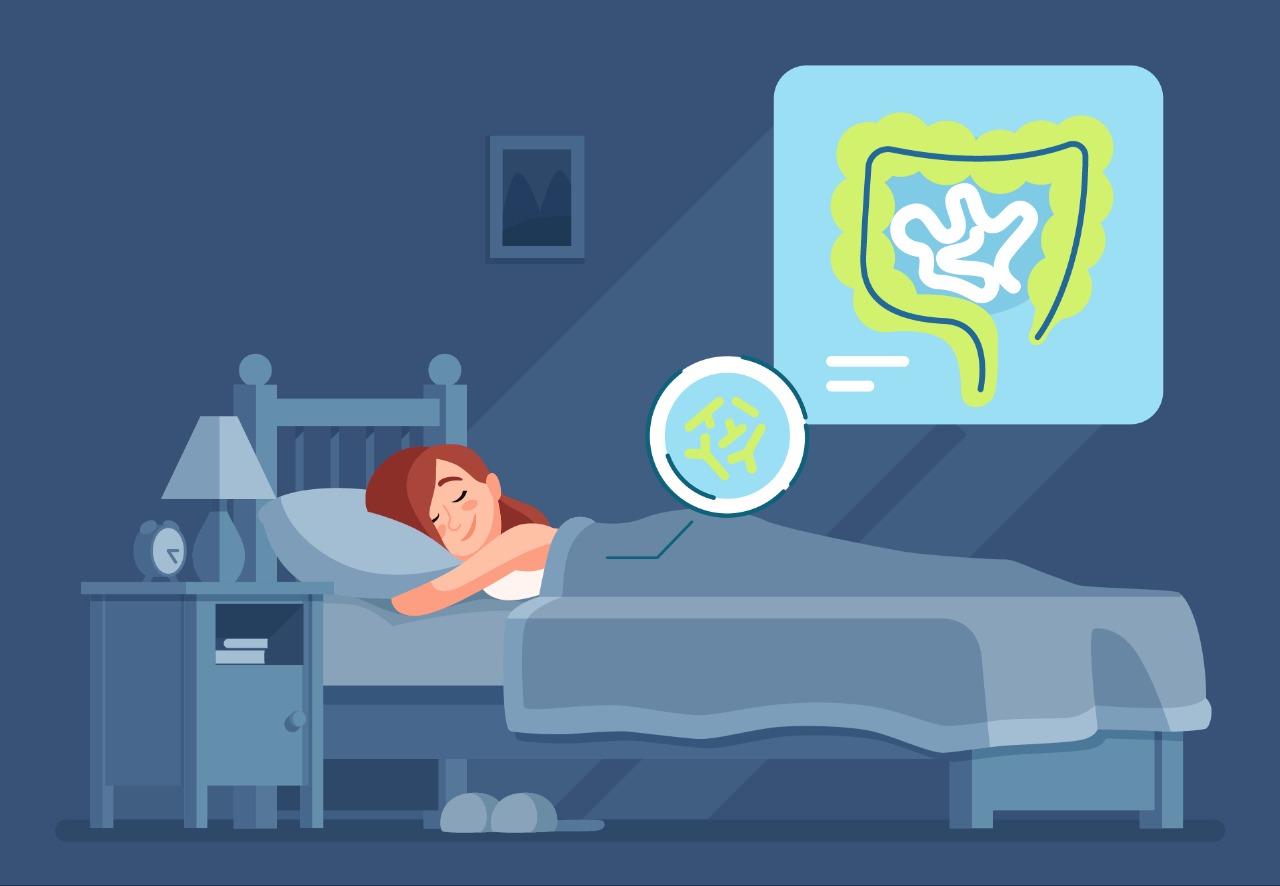
In a fascinating twist to sleep science, researchers are uncovering a powerful connection between gut health and the quality of deep sleep. Far beyond digestion, the gut microbiome—home to trillions of bacteria—plays a critical role in regulating neurotransmitters and hormones that in...
In a fascinating twist to sleep science, researchers are uncovering a powerful connection between gut health and the quality of deep sleep. Far beyond digestion, the gut microbiome—home to trillions of bacteria—plays a critical role in regulating neurotransmitters and hormones that influence sleep cycles. This emerging field of study is reshaping how we understand insomnia, fatigue, and even mental health, offering new strategies for better rest through dietary and lifestyle changes.
The Gut-Brain Axis: A Two-Way Street
The gut and brain communicate through a complex network known as the microbiota-gut-brain axis. This system uses neural, hormonal, and immune pathways to regulate mood, cognition, and sleep.
Key insights from recent findings:
-
Gut bacteria help produce serotonin, which is later converted into melatonin, the hormone that governs sleep-wake cycles
-
Gamma-aminobutyric acid (GABA), a neurotransmitter that promotes relaxation, is also synthesized by certain gut microbes
-
Disruptions in gut flora—known as dysbiosis—can lead to fragmented sleep, difficulty falling asleep, and early awakenings
Studies show that individuals with diverse gut microbiomes tend to experience longer and more efficient sleep, while low diversity correlates with frequent night-time awakenings and reduced sleep quality.
Microbiome Diversity and Sleep Efficiency
Sleep quality is closely tied to the richness and balance of gut bacteria. Researchers have identified specific bacterial groups that influence sleep physiology.
Notable correlations include:
-
Higher levels of Bacteroidetes and Firmicutes are linked to better sleep efficiency
-
Beneficial strains like Lactobacillus and Bifidobacterium support serotonin and GABA production
-
Poor sleep reduces microbiome diversity, creating a feedback loop that worsens both gut and sleep health
Even small shifts in sleep timing—such as a 90-minute delay—can alter microbiome composition, highlighting the sensitivity of this relationship.
Circadian Rhythms and Digestive Health
The body’s internal clock, or circadian rhythm, governs both sleep and digestion. Gut microbes follow daily patterns that align with host sleep cycles, and disruptions can lead to inflammation and impaired gut barrier function.
Important findings:
-
Gut bacteria produce short-chain fatty acids and bile acids in rhythmic patterns that support sleep
-
Melatonin, while produced in the brain, also influences gut function and microbial activity
-
Shift workers and those with irregular sleep schedules often experience gastrointestinal issues due to circadian misalignment
Maintaining consistent sleep and meal times helps preserve microbial rhythms and supports both digestive and neurological health.
Dietary Strategies for Better Sleep
Nutrition plays a pivotal role in shaping the gut microbiome and, by extension, sleep quality. A fiber-rich, plant-based diet supports microbial diversity and neurotransmitter production.
Recommended dietary practices:
-
Include fermented foods like yogurt, kimchi, and sauerkraut for probiotic support
-
Consume prebiotic-rich foods such as garlic, onions, and asparagus to feed beneficial bacteria
-
Avoid processed foods, excessive sugar, and alcohol, which disrupt microbial balance and sleep cycles
Magnesium-rich foods like bananas, leafy greens, and nuts also promote muscle relaxation and deeper sleep.
Lifestyle Habits That Support the Gut-Sleep Connection
Beyond diet, several lifestyle factors influence both gut health and sleep. Stress, hydration, and physical activity all play a role in maintaining microbial balance and circadian stability.
Helpful habits include:
-
Practicing mindfulness, yoga, or meditation to reduce cortisol and support gut integrity
-
Staying hydrated to aid digestion and nutrient absorption
-
Exercising regularly, but avoiding intense workouts close to bedtime
-
Creating a sleep-friendly environment with cool temperatures, minimal light, and reduced screen time
Tracking sleep patterns with apps and gradually adjusting routines can help reinforce healthy rhythms and improve both gut and sleep outcomes.
Looking Ahead: A Holistic Approach to Rest
The link between gut health and sleep is no longer speculative—it’s a growing area of clinical interest with real-world implications. By nurturing the microbiome through diet, routine, and stress management, individuals can unlock deeper, more restorative sleep. As research continues, personalized gut-sleep interventions may become a cornerstone of holistic wellness.
Sources: New Scientist, Sleep Care Pro, Nature’s Fix UK, PandaSilk, Nikki Hawkes Herbalist, MSN India, Hindustan Times, Economic Times, Gut Health Digest 2025, Sleep Science Review India