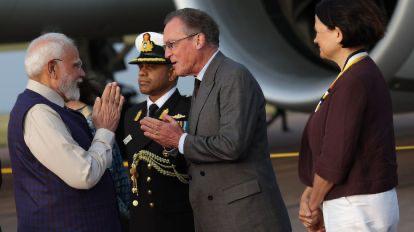
Prime Minister Narendra Modi’s July 2025 visit to Britain marked a pivotal moment for India-UK relations, culminating in the formal signing of a historic free trade agreement (FTA) and the deepening of a multi-dimensional partnership between the two nations.
Key Hi...
Prime Minister Narendra Modi’s July 2025 visit to Britain marked a pivotal moment for India-UK relations, culminating in the formal signing of a historic free trade agreement (FTA) and the deepening of a multi-dimensional partnership between the two nations.
Key Highlights Shaping the Visit
Sealing the FTA: The centrepiece of the visit was the India-UK Free Trade Agreement. This FTA, in negotiation for three years, is expected to eliminate tariffs on nearly all Indian exports to Britain and sharply reduce duties on iconic British exports such as cars and Scotch whisky. The agreement aims to double bilateral trade by 2030 from the current $60 billion and represents the UK’s largest post-Brexit trade deal, injecting an estimated £6 billion into the UK economy and creating over 2,000 jobs.
Strategic Dialogue: Modi’s meetings with UK Prime Minister Keir Starmer not only heralded a new era for trade but also initiated strategic talks on defence, climate policy, technology collaboration (including artificial intelligence and semiconductors), finance, education, and people-to-people ties. Issues like exemptions from Britain’s planned carbon tax and protections for Indian investments in the UK were also on the agenda, setting the stage for ongoing negotiations.
Monitoring Diaspora and Security Concerns: Modi raised India’s concerns over the presence of Khalistani extremists in Britain and called for stricter curbs on anti-India activities, reinforcing India’s expectations of mutual respect for sovereignty and democratic processes.
Symbolic Gestures and Soft Power: The visit included meetings with King Charles III and public tributes acknowledging the Indian diaspora, described by Modi as a “living bridge” between the two nations. Events and remarks referenced the contemporary cricket rivalry and reflected efforts at diffusing historic tensions rooted in colonial legacies.
Timing and Geopolitical Significance: Modi’s trip came soon after the formation of the new UK government, making it crucial for building personal rapport and advancing India’s interests in a period of shifting global alignments. The visit also showcased India’s emergence as a strategic partner actively shaping post-Brexit Britain’s trade and foreign policy.
Strategic and Bilateral Outcomes
The visit delivered substantive progress across trade, technology, and security, while managing legacy sensitivities and affirming shared values. For India, it secured better market access, technology flows, and global stature. For Britain, it provided a critical trading boost and reaffirmed relevance in the Indo-Pacific—a region central to its post-EU ambitions.
Sources: Press Information Bureau (PIB), Times of India