







Follow WOWNEWS 24x7 on:


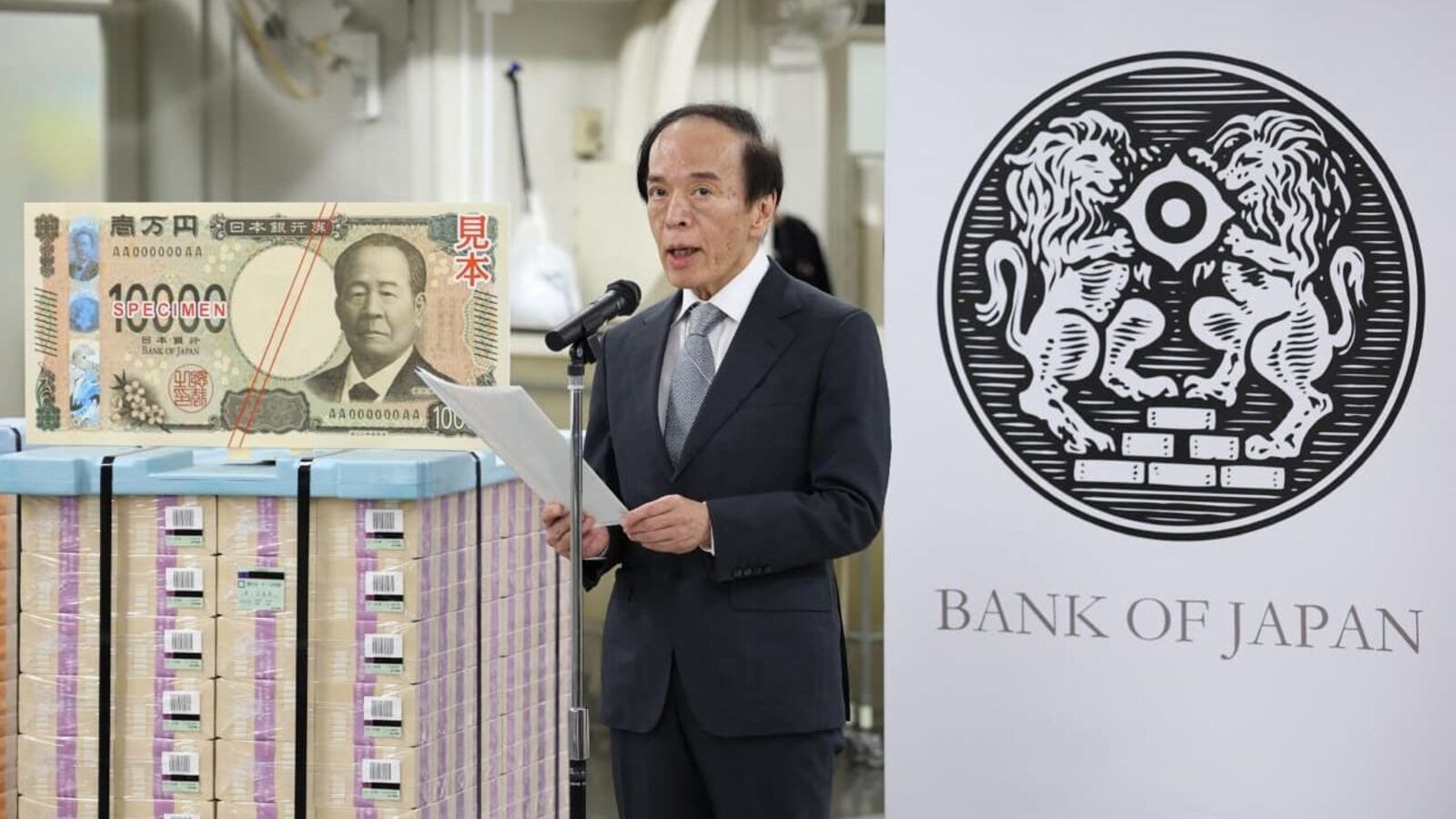
The Bank of Japan (BOJ) is expected to tighten monetary policy further in March 2026 after raising rates to 0.75% in December the highest since 1995. Analysts warn that higher Japanese rates could reshape global capital flows, impacting emerging markets like India through currency volatility, liquidity shifts, and foreign investment trends.
Show moreStay Ahead – Explore Now! India-Israel Trade Pact Gains Momentum As PM Modi Concludes Historic Visit



Updated: February 27, 2026 18:54

Updated: February 26, 2026 18:44

Updated: February 25, 2026 12:52













Follow WOWNEWS 24x7 on:





Copyright 2024 WOWNEWS 24x7. All rights reserved. The WOWNEWS 24x7 is not responsible for the content of external sites. Read about our approach to external linking.
Powered By Just Imagine
