Image Source : The Sunday Guardian
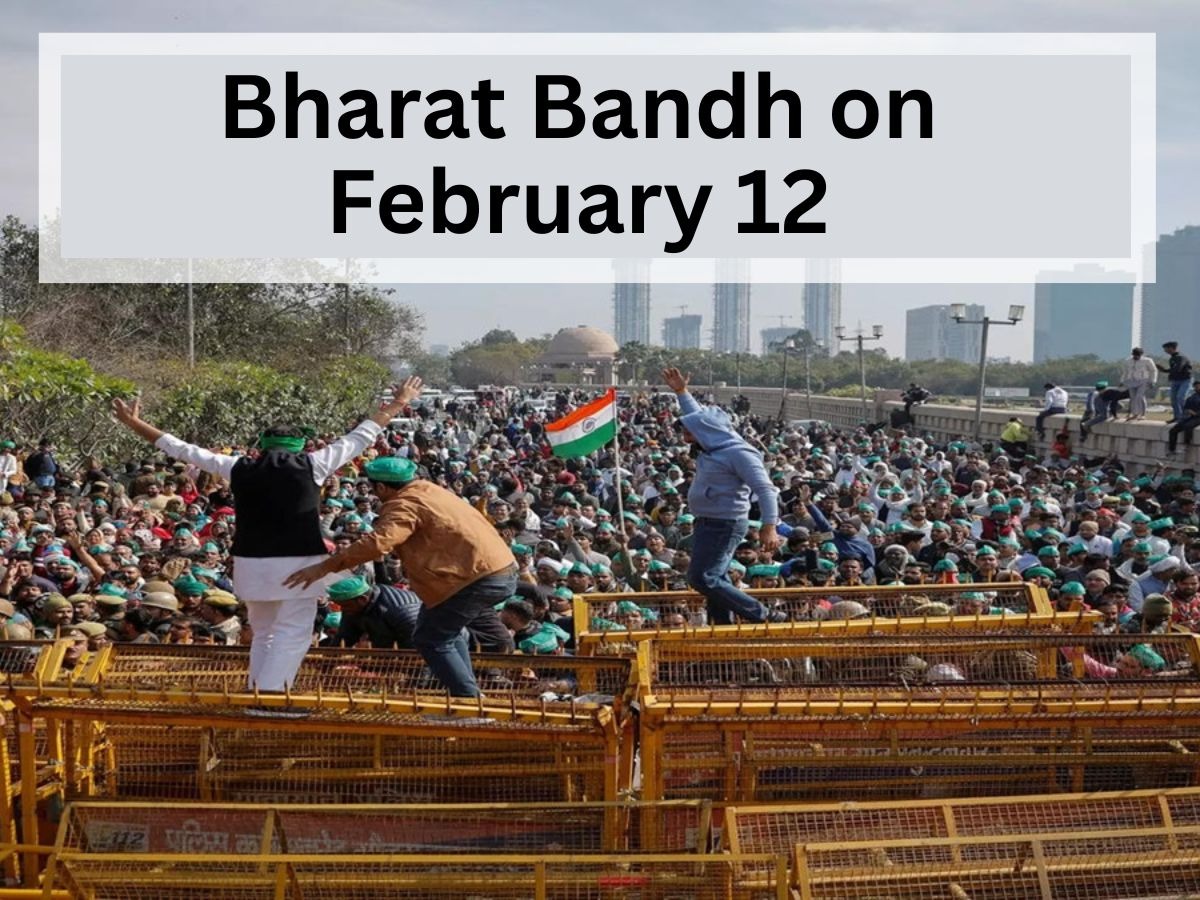
On February 12, 2026, India witnessed a massive Bharat Bandh called by 10 central trade unions protesting against the Centre’s “anti-worker” labour codes and economic policies. With support from farmer groups and political parties, nearly 30 crore workers participated, disrupting banking, transport, and public services across multiple states.
Show more
India’s workforce staged one of the largest strikes in recent years as central trade unions and farmer organisations observed a nationwide Bharat Bandh. The strike was aimed at opposing the Union government’s labour reforms and economic decisions, which unions claim undermine worker rights and farmer interests.
Key Highlights:
-
Scale of Participation: Nearly 30 crore workers joined the strike across 600 districts, surpassing previous mobilisations.
-
Union Involvement: The bandh was led by INTUC, AITUC, HMS, CITU, AIUTUC, TUCC, SEWA, AICCTU, LPF, and UTUC.
Sectoral Impact:
-
Banking: Public sector banks flagged disruptions; unions like AIBEA, AIBOA, BEFI backed the strike.
-
Transport: Bus, rail, and road services were affected in states like Odisha, Kerala, and West Bengal.
-
Education: Schools and colleges reported closures in several regions.
-
Political Support: Punjab’s ruling AAP extended solidarity, condemning “anti-worker and anti-farmer” policies.
-
Farmer Groups: Samyukt Kisan Morcha (SMK) joined, opposing recent trade deals and economic decisions.
The strike underscores growing discontent among workers and farmers, raising questions about the Centre’s labour and economic reforms.
Sources: Moneycontrol, Economic Times, News18, Zee News
Stay Ahead – Explore Now!
Piyush Goyal Highlights Balanced Approach to Market Access in US Trade Agreement

Advertisement
STORIES YOU MAY LIKE
Image Source: FINIEN
Updated: February 11, 2026 18:03
Image Source: Inside Osaka
Updated: February 09, 2026 17:00
Updated: February 08, 2026 18:21

Advertisement