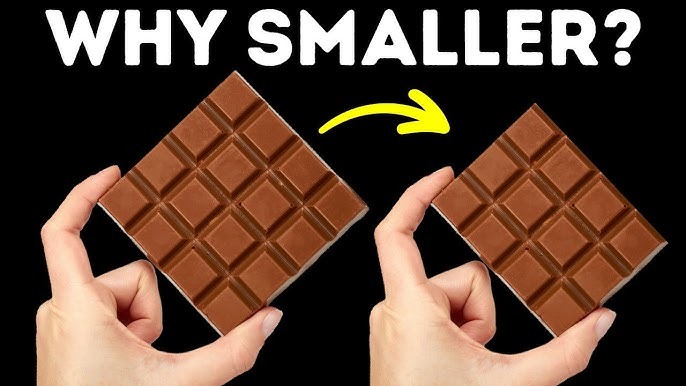








Despite cocoa prices easing in 2025, chocolate has become smaller, costlier, and less rich. Shrinkflation and rising production costs are driving companies to cut sizes and reduce cocoa content, even as demand spikes during the festive season. Consumers are paying more for less, with quality under pressure.
Industry experts note that while cocoa prices fell after two years of highs, chocolate makers face higher costs from packaging, energy, and logistics. The geographic concentration of cocoa production in West Africa—Ivory Coast and Ghana supply over half the world’s beans—makes the market vulnerable to weather shocks and crop diseases. To protect margins, manufacturers are reducing bar sizes, substituting ingredients, and raising prices. Analysts warn this trend could persist into 2026, reshaping consumer expectations of chocolate.
Notable updates
• Cocoa prices dropped sharply in 2025, but chocolate prices remain high
• Shrinkflation: bars are smaller, with reduced cocoa content to offset costs
• Ivory Coast and Ghana supply more than half of global cocoa; weather and disease risks remain
• Rising energy, packaging, and transport costs add pressure on manufacturers
• Holiday demand keeps chocolate expensive despite easing cocoa markets
Major takeaway
Consumers face a paradox: cheaper cocoa but pricier, smaller, and less chocolatey bars, as manufacturers adapt to global cost pressures.
Sources: CNBC TV18, Channels TV, Gulf News