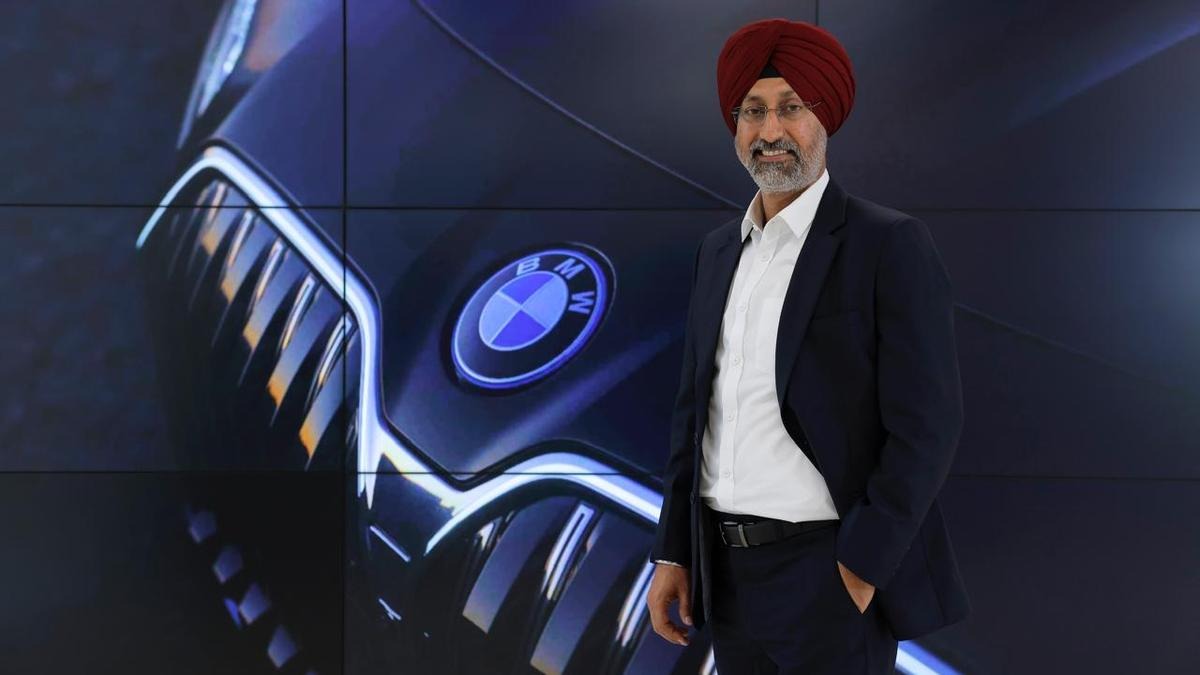




BMW is preparing to assemble its entire electric vehicle (EV) portfolio in India as part of a wider localisation strategy. The move aims to reduce import duties, expand accessibility, and strengthen its luxury EV presence in the country, aligning with India’s growing demand for clean mobility and premium cars.
BMW Group is reworking its India strategy with a sharp focus on localisation and electric mobility. Currently, the German automaker sells a mix of CKD (completely knocked down) and CBU (completely built-up) EVs, with high-end imports attracting customs duties of up to 110%. To counter this, BMW is considering local assembly of all its battery electric vehicles (BEVs) in India.
This initiative is part of a broader plan to expand BMW’s footprint in India, which includes 10 new launches and 17 product upgrades in 2026. The localisation drive is expected to make EVs more competitively priced, enhance supply chain efficiency, and strengthen BMW’s luxury positioning in a market where premium cars still account for a small share of overall sales.
Key Highlights
-
Local Assembly Plan: BMW may assemble all EVs in India to reduce import duty pressures.
-
Current Portfolio: Mix of CKD and CBU models, with high-end imports taxed heavily.
-
2026 Roadmap: 10 new launches and 17 product upgrades planned.
-
Market Impact: Localisation to improve affordability and expand luxury EV adoption.
-
Sales Growth: BMW reported record sales of ~18,000 units in India in 2025.
BMW’s localisation push signals a pivotal moment for India’s luxury EV market, blending affordability with global
innovation.
Sources: Fortune India, Manufacturing Today India, The Milli Chronicle Asia