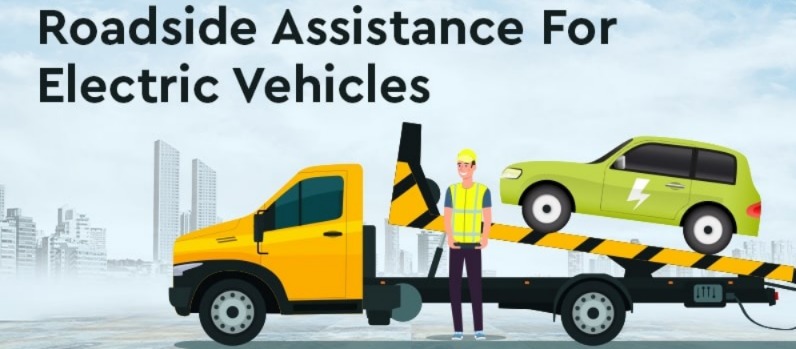

To tackle range anxiety and breakdowns on long-distance trips, the government is planning roadside rescue hubs on key national highways. These centers would offer mobile charging, towing, and diagnostics, creating a safety net for EV owners. The initiative aims to accelerate adoption by making intercity EV travel more reliable and predictable.
India’s rapid EV adoption has outpaced highway support services, leaving drivers vulnerable if a battery drains or a vehicle malfunctions far from urban charging. In response, the government is proposing a nationwide network of roadside rescue hubs positioned along major corridors. The hubs are expected to provide rapid assistance via mobile charging units, emergency towing to the nearest fast charger or service bay, and on-site diagnostics to get vehicles moving quickly. Integrating these hubs with existing highway operations traffic helplines, concessionaire control rooms, and service plazas would reduce response times and improve travel confidence for EV users. Coordination with state transport departments, highway authorities, and private charge point operators is anticipated to ensure standardized service levels and transparent pricing.
Key Highlights
-
Rescue hubs to offer mobile charging, towing, and quick diagnostics for stranded EVs
-
Placement planned at intervals on national highways to cut response times
-
Integration with highway helplines and service plazas for streamlined dispatch
-
Standardized service protocols and price transparency to boost trust
-
Data feedback loops to inform infrastructure planning and reduce future breakdowns
-
Potential public-private partnerships to scale coverage and speed deployment
Impact
By filling the highway support gap, rescue hubs can meaningfully reduce range anxiety and encourage EV adoption beyond cities. Fleet operators gain predictable uptime, while individual drivers get peace of mind on intercity routes. Over time, usage data from rescues and mobile charges can guide smarter placement of permanent fast chargers and battery swap points.
What To Watch
Phased rollout timelines across priority corridors
Service standards for response time and pricing transparency
Interoperability with different EV models and charging connectors
Training protocols for high-voltage safety and secure towing
Digital integration with apps for real-time assistance requests and updates
Conclusion
Roadside rescue hubs signal a pragmatic next step in India’s EV journey, turning anxiety into assurance. By pairing rapid response services with integrated highway operations, the plan can make EV travel smoother, safer, and more mainstream across long routes.
Sources: Economic Times, Business Today, Mint