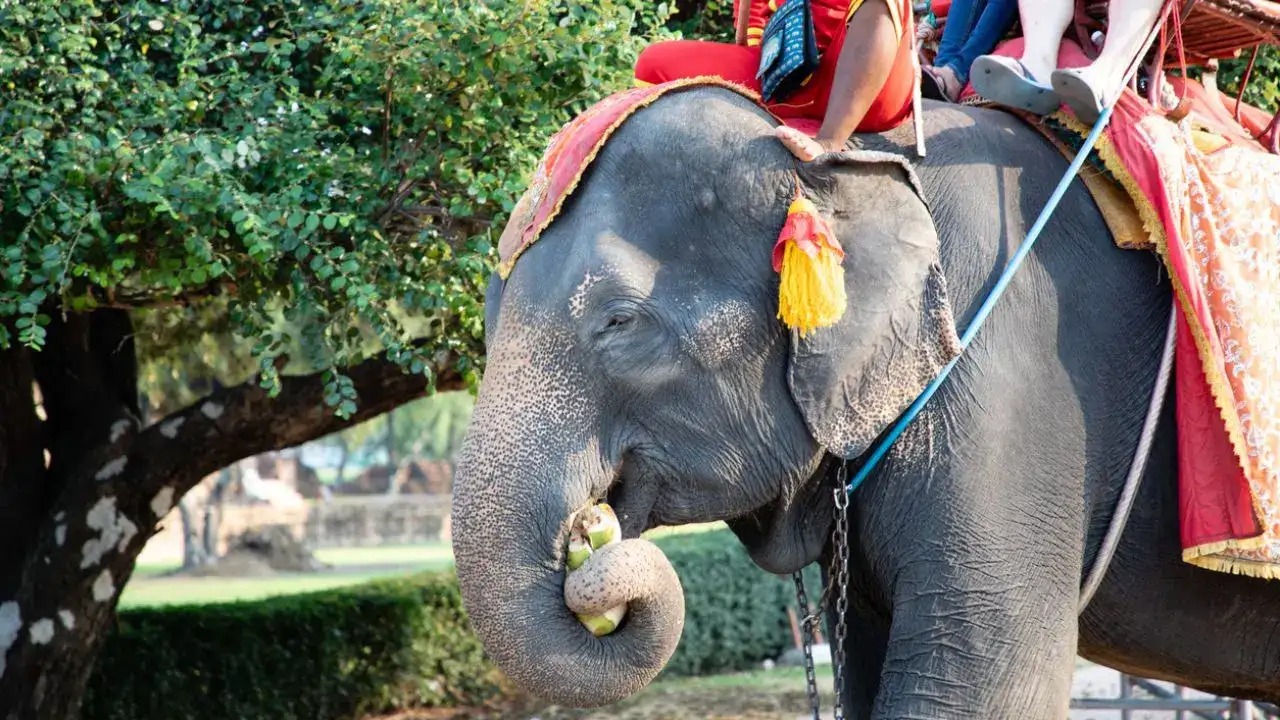







After a seven-year pause, elephant safaris have resumed at Corbett and Rajaji Tiger Reserves in Uttarakhand. The initiative, framed as a wildlife conservation and eco-tourism effort, aims to balance visitor experience with animal welfare, offering tourists a unique way to explore forest landscapes while supporting conservation awareness.
In a landmark decision, the Uttarakhand Forest Department has reintroduced elephant safaris at Corbett and Rajaji Tiger Reserves, reviving a tradition that had been suspended since 2018. The move is being hailed as both a conservation milestone and a tourism boost, designed to showcase the reserves’ biodiversity while ensuring strict adherence to animal welfare guidelines.
Key highlights from the announcement include
-
The safaris were suspended in 2018 following concerns over animal rights and management practices.
-
Their revival comes with new regulations emphasizing ethical treatment of elephants and limited tourist capacity.
-
Visitors can now explore deep forest zones inaccessible by jeeps, enhancing wildlife viewing opportunities.
-
The initiative is expected to generate eco-tourism revenue while raising awareness about conservation.
-
Elephants used in safaris will undergo regular health checks and monitoring to ensure welfare standards.
-
Local communities are expected to benefit economically through employment and tourism-linked activities.
-
The safaris are being promoted as a sustainable model, combining conservation education with controlled tourism.
Officials highlighted that the decision was taken after consultations with wildlife experts, conservationists, and local stakeholders. The safaris will operate under strict guidelines, including capped daily rides, regulated timings, and veterinary supervision. This ensures that the welfare of elephants remains central to the program while allowing tourists to experience the reserves in a more immersive manner.
Corbett and Rajaji Tiger Reserves are among India’s most iconic wildlife destinations, home to tigers, leopards, elephants, and diverse bird species. The return of elephant safaris is expected to attract both domestic and international tourists, reinforcing Uttarakhand’s position as a premier eco-tourism hub.
The initiative reflects a broader effort to balance conservation with tourism, ensuring that natural heritage is preserved while communities benefit from sustainable practices. By reintroducing elephant safaris responsibly, Uttarakhand sets an example of how heritage experiences can coexist with modern conservation ethics.
Sources: Hindustan Times, Times of India, The Hindu, India Today