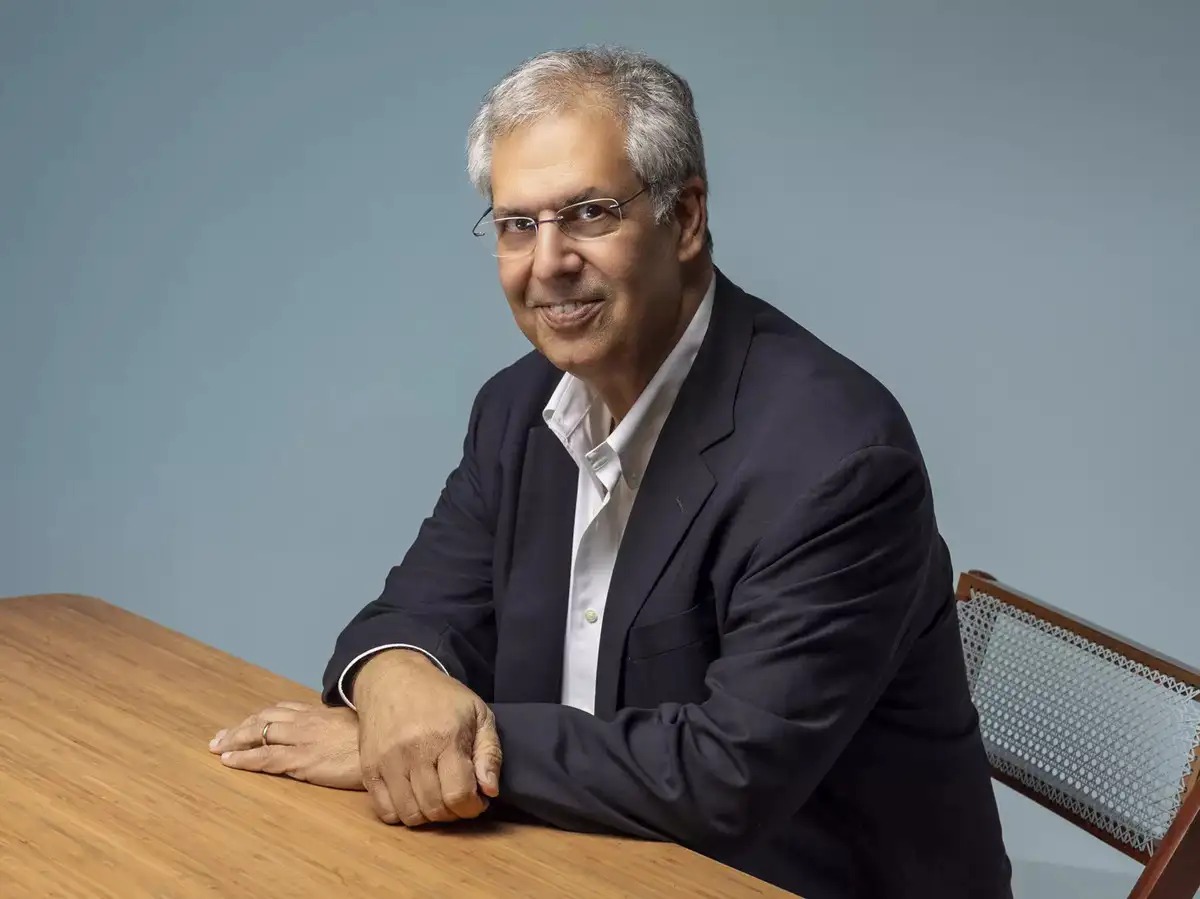




Noel Tata has become the largest Tata family stakeholder in Tata Sons after inheriting shares from his mother, Simone Tata. His stake now stands at 1 percent, surpassing the holdings of his late half-brother Ratan Tata and Jimmy Tata. This marks a significant shift in family shareholding within the $180-billion Tata Group.
In a development that reshapes the Tata family’s internal shareholding structure, Noel Tata has emerged as the largest individual stakeholder in Tata Sons, the holding company of the Tata Group. The change comes after he inherited a substantial portion of shares from his mother, Simone Tata, former director of the group and a key figure in its consumer business expansion.
Key highlights from the announcement include
-
Noel Tata’s stake in Tata Sons has risen to 1 percent, equivalent to 4,058 shares.
-
This increase came after inheriting 2,003 shares from Simone Tata, who originally held 2,011 shares.
-
His late half-brother Ratan Tata held 3,368 shares, representing a 0.83 percent stake, which he bequeathed to his charitable foundations in a 70:30 ratio.
-
Jimmy Tata, another half-brother, owns 3,262 shares, amounting to a 0.81 percent stake.
-
Other extended family members, including Piloo Tata and her children, collectively hold 801 shares.
-
Noel Tata serves as a director of Tata Sons and is also a trustee of the Ratan Tata Endowment Trust.
-
The transfer consolidates Noel’s position as a key figure in the Tata family’s representation within the group’s ownership structure.
The Tata Group, valued at over $180 billion, is largely controlled by Tata Trusts, which hold a majority stake in Tata Sons. Family members, however, continue to play symbolic and strategic roles through their individual holdings. Noel Tata’s rise as the largest family stakeholder underscores his growing influence, particularly as he also chairs Trent Ltd, the group’s retail arm, and serves on several Tata boards.
This transition reflects the generational shift within the Tata family, following the passing of Simone Tata earlier this month. It also highlights the balance between family representation and institutional control in one of India’s most respected conglomerates.
Sources: Times Now, NewsBytes, Times of India