




Follow WOWNEWS 24x7 on:


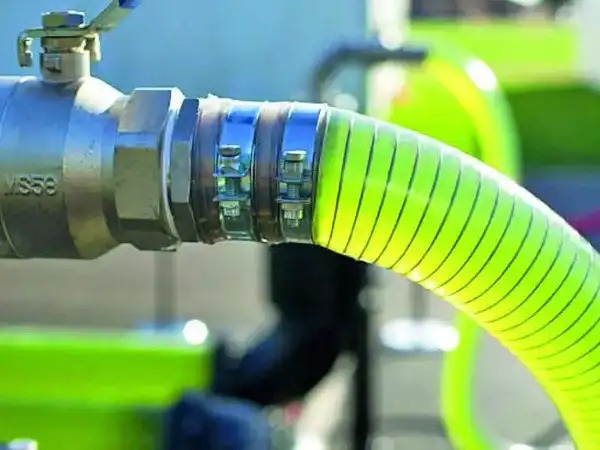
India’s ambitious ethanol blending program faces challenges as excess production capacity creates a glut in the market. With investments exceeding Rs 50,000 crore, the green fuel industry is struggling to balance supply and demand, raising concerns about sustainability, farmer incomes, and long-term energy transition strategies.
Show moreStay Ahead – Explore Now! Indo-French Defence Alliance Strengthens With Joint HAMMER Missile Production


Updated: February 21, 2026 19:24

Updated: February 20, 2026 19:39

Updated: February 19, 2026 20:16













Follow WOWNEWS 24x7 on:





Copyright 2024 WOWNEWS 24x7. All rights reserved. The WOWNEWS 24x7 is not responsible for the content of external sites. Read about our approach to external linking.
Powered By Just Imagine
