

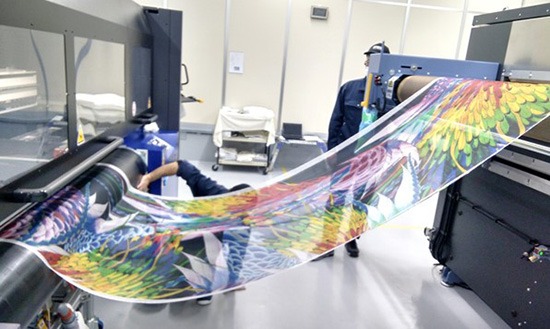
The fashion industry’s next big transformation won’t be on the runway but in textile production. With water-intensive processes threatening sustainability, innovations like Epson’s digital textile printers are reshaping the sector. India’s textile hubs face resource challenges, making eco-friendly printing solutions vital for reducing pollution, conserving water, and ensuring long-term industry resilience.
The fashion world is often associated with glamour, trends, and runway spectacles. Yet, the next revolution in fashion is unfolding behind the scenes-in textile production and sustainability practices. According to recent reports, the industry’s future hinges on reducing environmental impact, particularly in water consumption and pollution.
The Hidden Cost of Fashion
Producing a single pair of jeans consumes nearly 3,781 litres of water, enough to sustain one person’s drinking needs for five years or keep a shower running for more than seven hours. In a country like India, where 163 million people lack access to safe drinking water, this statistic is alarming. Textile hubs such as Tirupur and Faridabad are already grappling with groundwater depletion and contamination, underscoring the urgent need for change.
Key Highlights
Water Crisis: India’s textile industry, contributing 2.3% to GDP and employing over 45 million people, remains one of the largest consumers and polluters of water.
Innovation in Printing: Companies like Epson are leading the charge with digital textile printers, offering efficient, eco-friendly alternatives to traditional wet processing methods.
Sustainability Push: Digital printing reduces water usage, chemical waste, and energy consumption, aligning with global sustainability goals.
Global Context: As fashion brands face increasing scrutiny over environmental practices, adopting sustainable production methods is becoming a competitive advantage.
Consumer Awareness: Shoppers are increasingly demanding transparency, eco-friendly fabrics, and responsible manufacturing, pushing the industry toward greener solutions.
Why This Matters
The shift from runway glamour to production innovation reflects a broader transformation in fashion. Sustainability is no longer a niche concern—it is becoming the core driver of industry growth and survival. By embracing eco-friendly technologies, India’s textile sector can secure its global competitiveness while addressing pressing environmental challenges.
The Road Ahead
The revolution in fashion will be defined not by the next trend on the catwalk but by how responsibly fabrics are produced. With digital textile printing and sustainable practices gaining traction, the industry is poised to balance creativity with accountability, ensuring that fashion remains both stylish and sustainable.
Sources: Business Today, Economic Times, Reuters