






The Parsi Gara sari, a timeless heirloom, represents centuries of artistry and cultural exchange. Originating from Indo-Chinese trade in the 19th century, its intricate embroidery and symbolic motifs embody Parsi identity. Today, designers and custodians are reviving the Gara, ensuring its relevance in modern fashion while preserving its heritage.
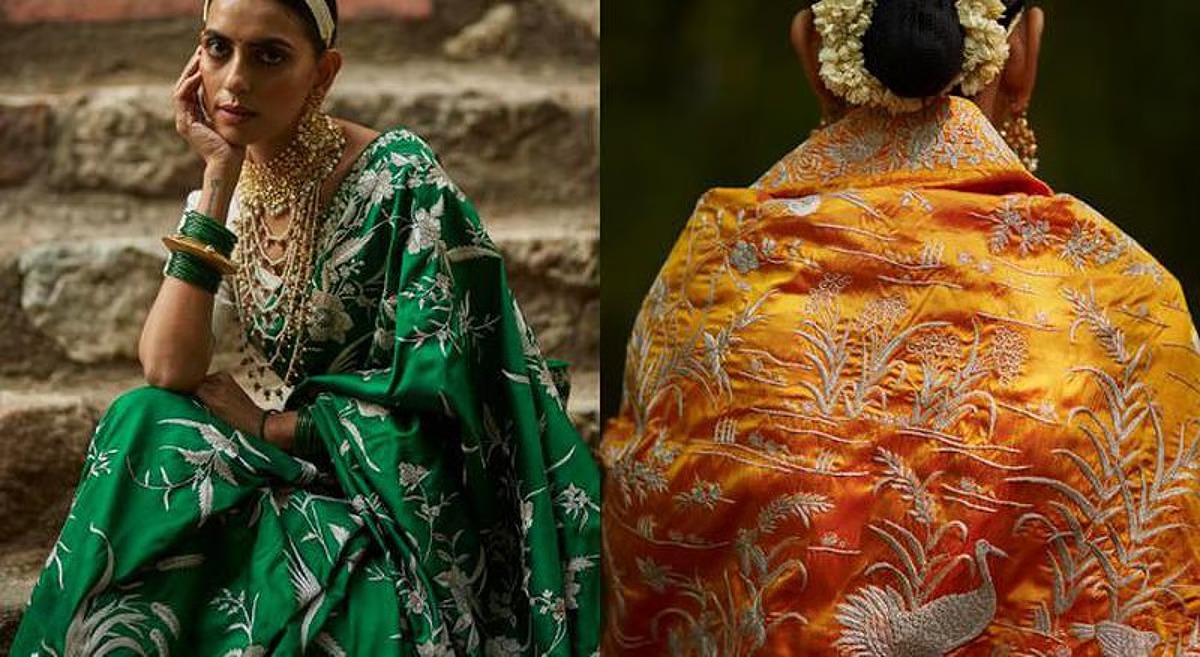
The Parsi Gara sari is more than a garment it is a living testament to heritage, migration, and craftsmanship. Introduced during the 19th century through trade with China, the Gara sari is distinguished by its elaborate hand embroidery, often depicting cranes, peacocks, flowers, and garden scenes. Each piece is painstakingly created, making it both a work of art and a cultural heirloom.
Traditionally worn during weddings, Navjotes, and festive occasions, the Gara sari continues to symbolize elegance and continuity within the Parsi community. In recent years, contemporary designers have reinterpreted Gara motifs, bringing them to global platforms and ensuring the craft remains relevant in modern fashion.
Key Highlights / Notable Points:
-
Cultural Significance: Gara saris are treasured heirlooms passed down through generations.
-
Artistic Motifs: Embroidery inspired by Chinese gardens, flora, and fauna.
-
Occasions: Central to Parsi ceremonies and celebrations.
-
Modern Revival: Designers like Ashdeen Lilaowala have reintroduced Gara embroidery to global fashion.
-
Preservation Efforts: Exhibitions, workshops, and family custodianship sustain the tradition.
The Gara sari’s enduring appeal lies in its ability to blend tradition with innovation, ensuring that Parsi heritage continues to thrive through every stitch.
Sources: Indulge Express, Parsi Times, Parsi Khabar