India’s railway manufacturing sector is gaining global traction as the government’s ‘Make in India, Make for the World’ initiative powers a surge in exports of coaches, bogies, locomotives, and propulsion systems. Railway Minister Ashwini Vaishnaw, during his recent visit to Alstom’s Savli manufacturing facility in Vadodara, highlighted the country’s expanding footprint in international rail markets, with shipments reaching Australia, the UK, France, Canada, and beyond.
Export Milestones and Global Reach
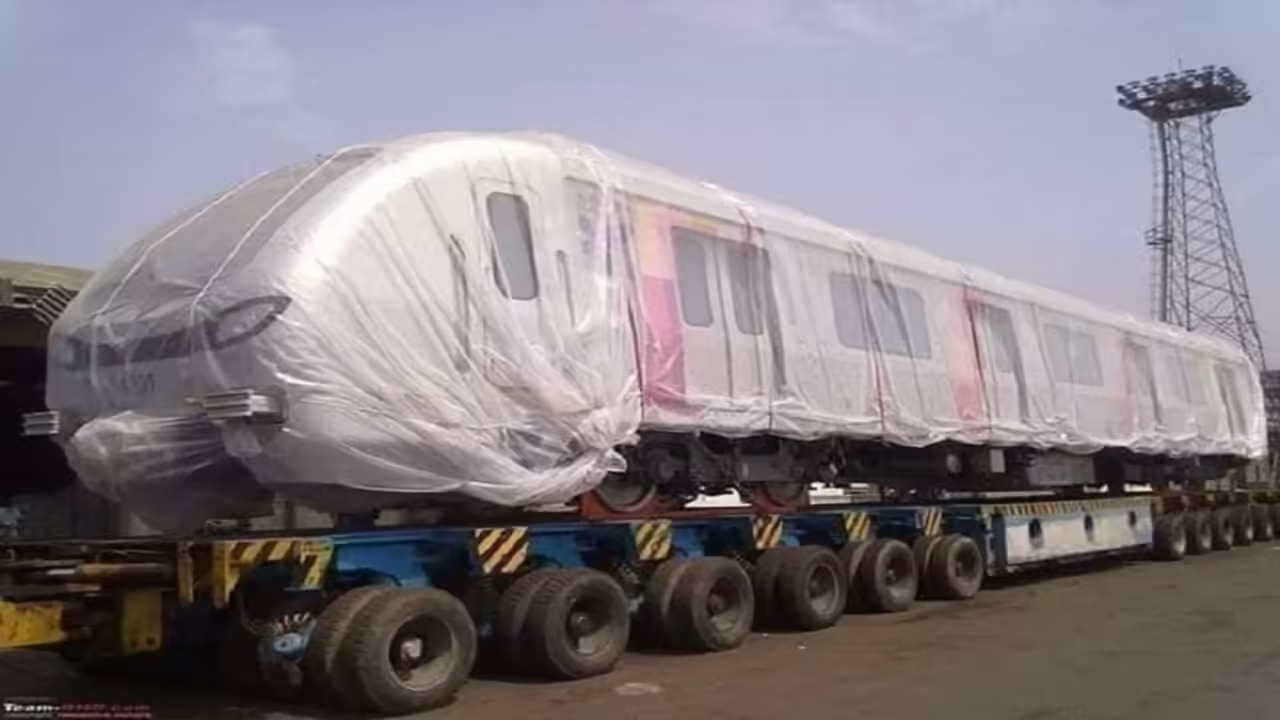
The Savli unit, operated by Alstom India, has emerged as a key hub for rolling stock production and export. Since 2016, India has exported over 1,000 rail cars for global projects, with 450 of them manufactured at Savli for Australia’s Queensland Metro.
Key highlights from the export portfolio:
- Over 3,800 bogies shipped to Germany, Egypt, Sweden, Australia, and Brazil
- More than 4,000 flatpacks (modular components) delivered to Austria
- 5,000-plus propulsion systems exported from the Maneja unit to France, Mexico, Romania, Spain, Germany, and Italy
- Passenger coaches and locomotives supplied to Mozambique, Bangladesh, Sri Lanka, Senegal, and Myanmar
These exports reflect India’s growing reputation as a reliable supplier of high-quality rail systems tailored to international standards.
Technology and Innovation Leadership
India’s rail exports are not limited to hardware. The country is also leading 27 international signalling projects and supporting another 40 globally. Bengaluru’s Digital Experience Centre is spearheading innovation in next-gen signalling, leveraging technologies like IoT, AI, blockchain, and cybersecurity.
Notable developments:
- Indian engineers are collaborating across 21 Alstom sites worldwide
- Over 3,400 professionals are engaged in design, development, and delivery of global rail solutions
- Preventive maintenance using sensors and AI is being explored for predictive asset management
Minister Vaishnaw emphasized the importance of skill development and proposed joint training programs between Indian Railways, Alstom, and Gati Shakti Vishwavidyalaya to enhance operational excellence.
Local Ecosystem and Employment Impact
The export boom has energized the local manufacturing ecosystem around Savli, with suppliers such as Integra, Anovi, Hind Rectifier, Hitachi Energy, and ABB contributing to fabrication, interiors, and electrical systems. This has led to significant employment generation and skill enhancement for Indian workers.
Key observations:
- Alstom employs around 7,000 engineers in India, with 300 working on international projects
- The Savli facility has boosted the Vadodara region’s economy through job creation and infrastructure development
- Indian workers are gaining expertise in global rail standards, enhancing the country’s competitiveness
The Minister praised Alstom’s practice of designing customized solutions for each export order, suggesting that Indian Railways emulate this approach for domestic and international projects.
Strategic Vision and Future Outlook
India’s emergence as a global rail exporter aligns with its broader economic and geopolitical goals. The ‘Make in India’ and ‘Aatmanirbhar Bharat’ missions are driving self-reliance while positioning the country as a manufacturing powerhouse.
Forward-looking insights:
- Export-led growth is creating high-quality jobs and fostering innovation
- India’s rail sector is transitioning from cost competitiveness to design-led manufacturing
- Exposure visits and training programs are being planned to integrate best practices across Indian Railways production units
The Railway Minister’s visit to the Savli facility underscores the strategic importance of rail exports in India’s industrial narrative. With continued policy support and global collaboration, the country is poised to become a leading player in the international rail supply chain.
Sources: Economic Times, ABP Live, Times of India, BusinessWorld, SMEStreet, MSN India, ET Infra, Alstom India, Ministry of Railways India