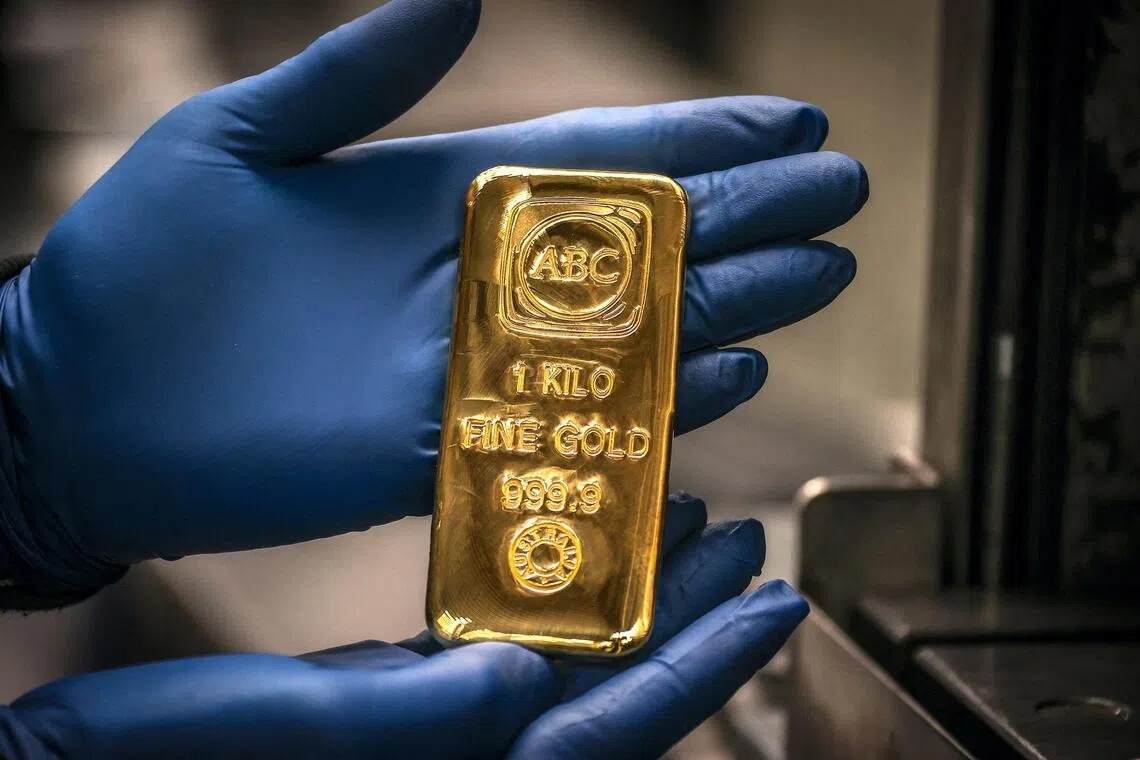








Gold prices broke the $4,400 mark for the first time, driven by expectations of U.S. Federal Reserve rate cuts. Silver also touched a record high, reflecting strong investor demand for safe-haven assets amid global economic uncertainty. Analysts see monetary easing as the key catalyst behind the rally.
Gold markets witnessed a historic surge as prices crossed $4,400 per ounce, marking a new all-time high. The rally was fueled by growing speculation that the U.S. Federal Reserve will begin cutting interest rates in early 2026 to support economic growth. Lower rates typically weaken the dollar and bond yields, making precious metals more attractive to investors. Silver followed suit, hitting fresh highs as demand for industrial and investment purposes strengthened.
Key highlights from the announcement include
-
Gold breached $4,400 per ounce for the first time, reflecting strong safe-haven demand.
-
Silver prices also climbed to a new record, supported by robust industrial usage and investor interest.
-
Market analysts attribute the surge to expectations of Fed rate cuts in 2026.
-
Lower interest rates reduce the opportunity cost of holding non-yielding assets like gold and silver.
-
The dollar weakened against major currencies, further boosting precious metal prices.
-
Global economic uncertainty, including slowing growth and geopolitical risks, added to investor appetite for safe assets.
-
ETF inflows into gold and silver funds have risen sharply, signaling strong institutional participation.
-
Analysts caution that volatility may persist, but long-term fundamentals remain supportive for precious metals.
The rally in gold and silver underscores the impact of monetary policy expectations on commodity markets. With investors positioning for a rate-cut cycle, precious metals have emerged as preferred assets for both wealth preservation and portfolio diversification. The historic highs highlight the shifting dynamics of global finance as central banks prepare for easing.
Sources: Reuters, Bloomberg, CNBC, Financial Times