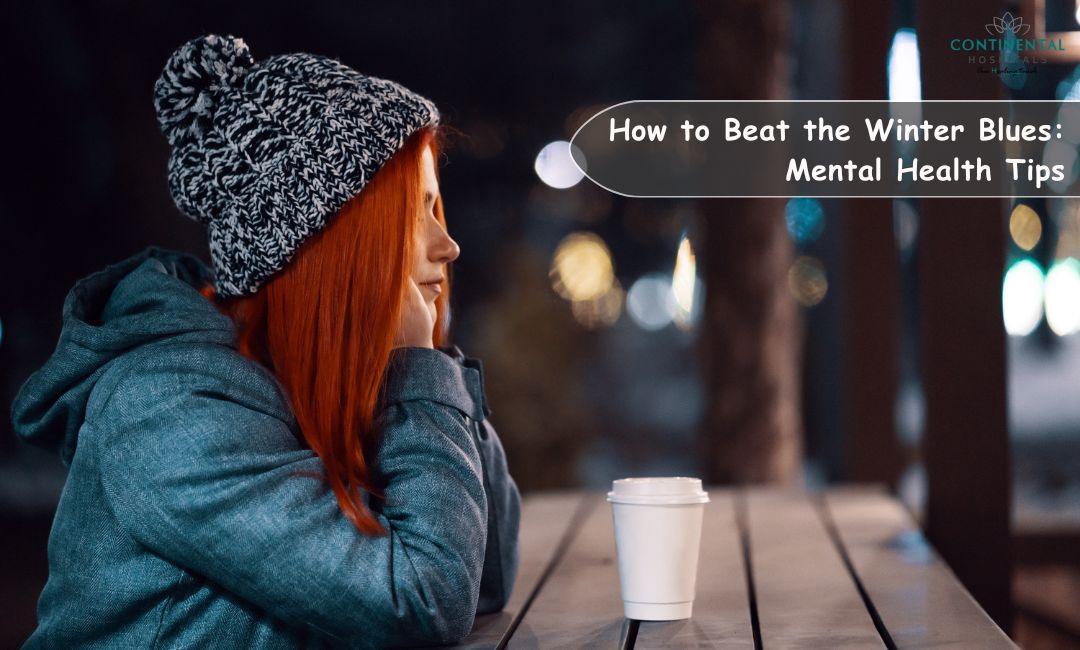





As winter brings colder temperatures and shorter days, maintaining social connection becomes vital for mental wellbeing. Health experts highlight that consistent interaction, supportive relationships, and shared activities can reduce isolation, stabilize mood, and strengthen emotional resilience during the winter months.
As winter deepens, many people experience a natural shift toward staying indoors, reducing social interaction. While this instinct may feel comforting, mental health experts warn that prolonged isolation during colder months can negatively affect emotional wellbeing. Recent health discussions emphasize that maintaining social connection throughout winter plays a crucial role in protecting mental health and emotional balance.
Seasonal changes such as reduced daylight and limited outdoor activity are closely linked to lower energy levels, mood changes, and feelings of loneliness. Social engagement, however, has been shown to counteract these effects by supporting emotional regulation and providing a sense of belonging. Mental health professionals stress that connection does not require large gatherings; even small, consistent interactions can make a meaningful difference.
Key Highlights
-
Winter isolation can amplify stress and low mood, but intentional social interaction helps stabilize emotions and maintain psychological resilience.
-
Establishing regular social routines during winter provides structure, purpose, and emotional reassurance when motivation tends to decline.
-
Planning simple interactions, such as shared meals, short walks, or virtual conversations, helps sustain relationships despite weather limitations.
-
Digital communication platforms offer valuable opportunities to stay engaged through video calls, online communities, and shared virtual activities when in-person meetings are difficult.
-
Combining social time with physical movement and exposure to daylight supports both mental and physical health during darker months.
-
Strong support networks of friends, family, or community groups act as protective buffers against winter-related emotional challenges.
Experts also note that social connection encourages accountability and emotional expression, both of which are essential for managing stress. When people feel supported, they are more likely to maintain healthy routines and seek help when needed. Winter, therefore, becomes not a season of withdrawal, but an opportunity to strengthen meaningful relationships and emotional wellbeing.
Sources: Healthline, Brown Health, MindWell Leeds, Wikipedia