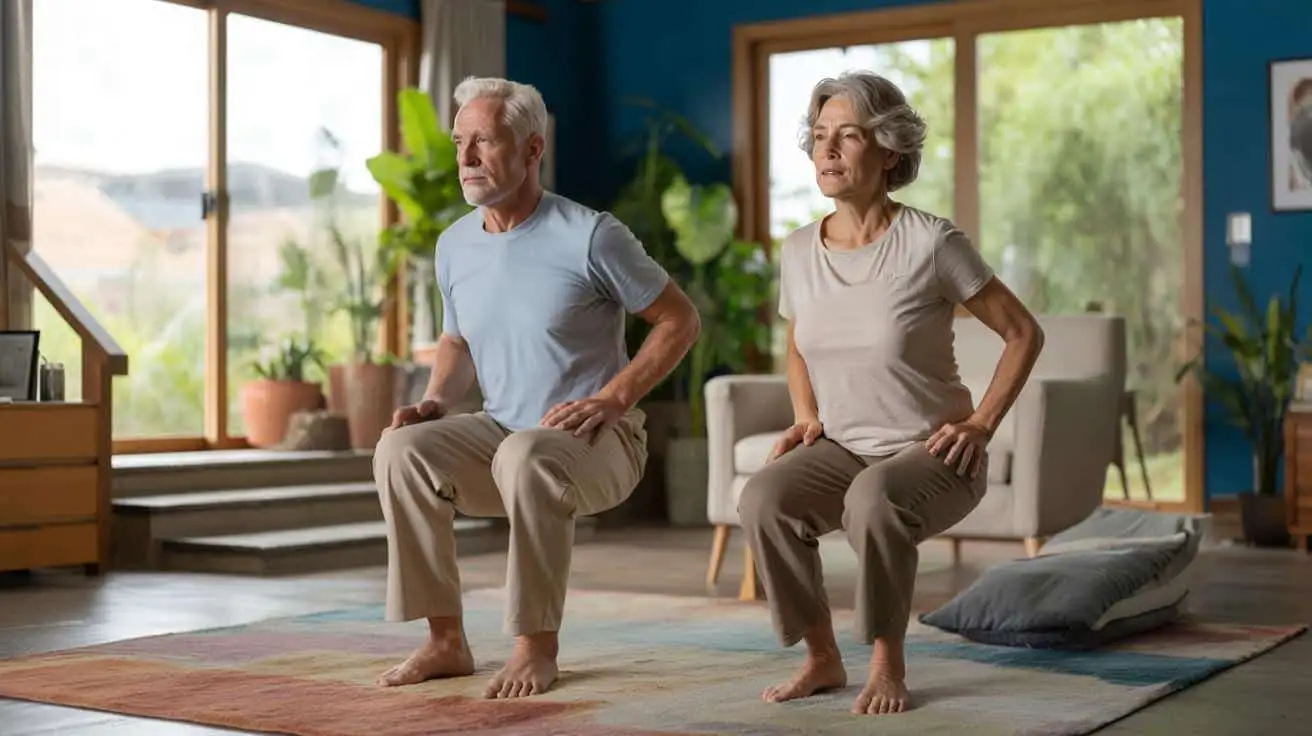







New research shows that after age 70, relying only on daily walks or weekly gym sessions is not enough to maintain health. Experts recommend a multicomponent movement pattern—a mix of aerobic activity, strength training, balance, and flexibility exercises—that better supports muscle strength, bone health, mobility, and overall longevity.
Aging past 70 does not mean slowing down—it means moving smarter. According to recent studies, traditional routines like daily walks or occasional gym workouts provide benefits but fall short of protecting against age-related decline. Researchers emphasize that a structured, whole-body routine combining multiple forms of exercise is far more effective.
The multicomponent movement pattern includes aerobic activity for cardiovascular health, strength training for muscle and bone density, balance exercises to prevent falls, and flexibility work to maintain mobility. This holistic approach has been shown to significantly improve healthspan, independence, and quality of life in older adults.
Major Takeaways
-
Daily walks or weekly gym sessions alone are insufficient after 70
-
Multicomponent movement pattern proven to boost healthspan
-
Aerobic activity supports cardiovascular health
-
Strength training improves muscle and bone density
-
Balance exercises reduce fall risk and enhance stability
-
Flexibility work maintains mobility and independence
Conclusion
The findings highlight that longevity after 70 depends on diverse movement patterns, not just singular activities. By integrating aerobic, strength, balance, and flexibility exercises, seniors can achieve better resilience, independence, and quality of life—ensuring that aging is not about slowing down but about moving smarter.
Sources: Springer Nature (BMC Public Health), Come Bien, Aging Research Reports