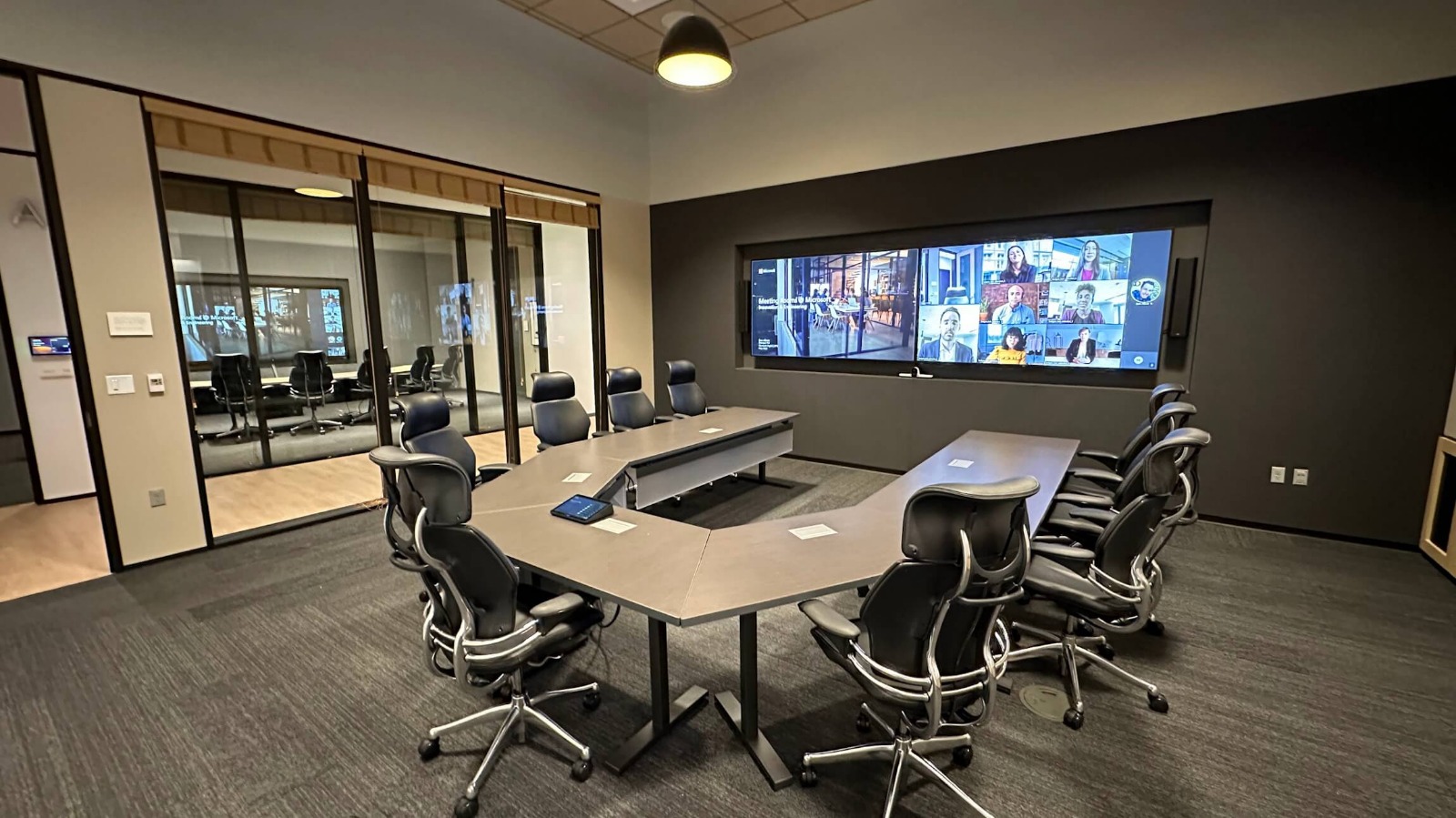







In 2026, distributed teams are transforming conference rooms into advanced collaboration hubs. Equipped with smart displays, AI-driven tools, and seamless video connectivity, these spaces bridge remote and in-person work. They foster productivity, inclusivity, and innovation, ensuring hybrid teams thrive across geographies while maintaining strong communication and workflow efficiency.
The rise of distributed teams has reshaped how organizations view conference rooms. No longer just physical spaces with tables and screens, modern conference rooms have evolved into dynamic collaboration hubs designed to integrate remote and in-person participants. With hybrid work becoming the norm, companies are investing in technology-driven meeting spaces that ensure inclusivity, efficiency, and real-time collaboration.
Key Highlights
-
Conference rooms now feature smart displays, integrated video conferencing, and AI-powered collaboration tools
-
Hybrid setups enable seamless interaction between remote and in-office participants
-
Distributed teams leverage conference rooms for brainstorming, project alignment, and decision-making
-
AI-driven analytics and smart platforms enhance productivity and reduce communication delays
-
Flexible office spaces and coworking hubs increasingly offer tech-enabled meeting rooms
Strategic Impact
The transformation of conference rooms reflects a broader shift in workplace culture. For distributed teams spread across multiple time zones, these hubs serve as anchors of collaboration, ensuring that communication quality remains high despite geographical barriers. Analysts note that companies adopting advanced meeting room technologies report improved efficiency, stronger team cohesion, and better project outcomes. By combining physical presence with digital connectivity, conference rooms are becoming the backbone of hybrid work strategies, enabling organizations to remain competitive in a globalized environment.
Sources: Metapress, Uwork, Remote Team Management