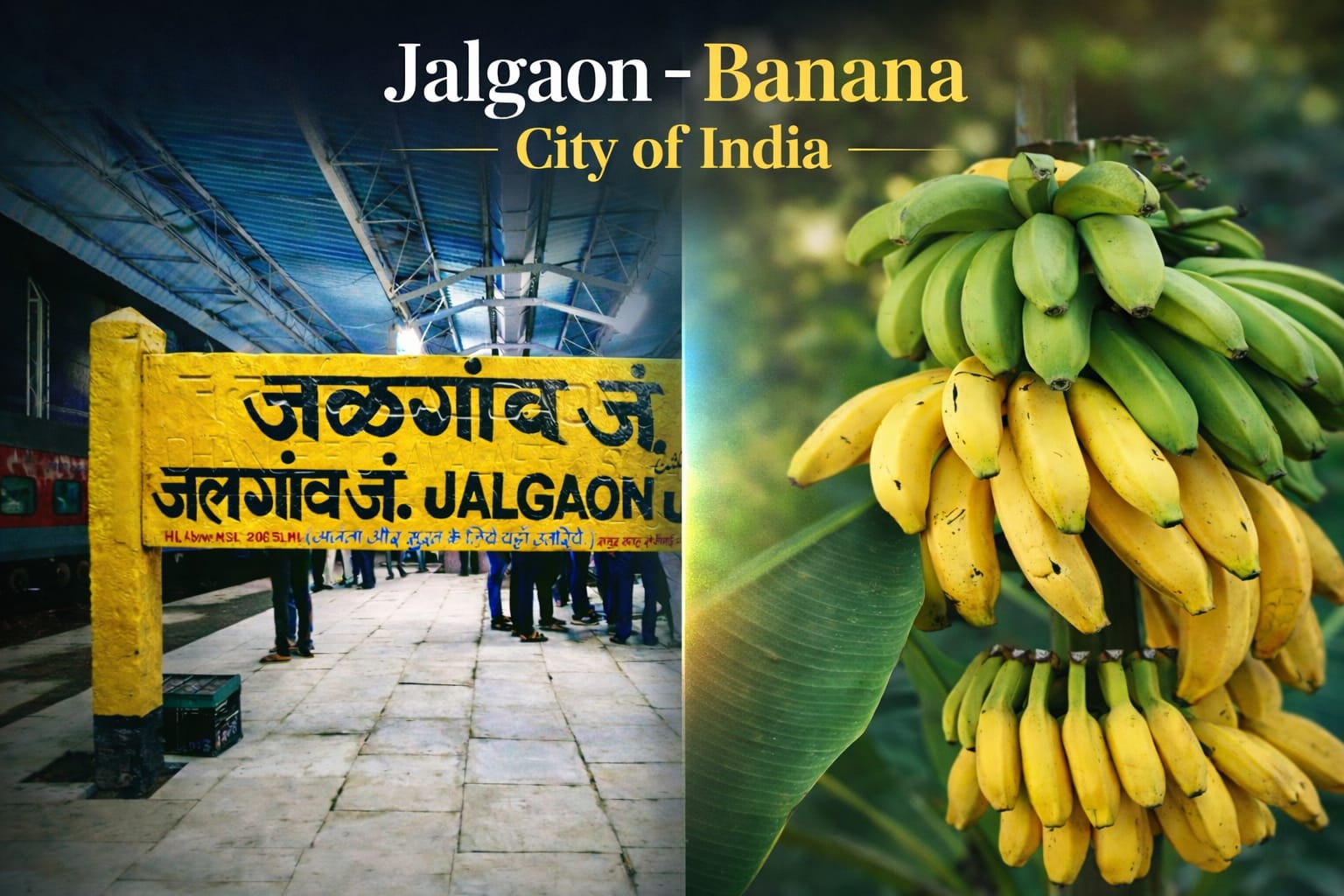





In the heart of Maharashtra, Jalgaon solidifies its status as the Banana Capital of India, producing vast quantities of this beloved fruit through ideal climate and innovative farming. This district supplies markets nationwide, blending tradition with modern techniques for unmatched yields. Discover why Jalgaon leads banana cultivation in 2026.
Nestled in northern Maharashtra, Jalgaon district thrives on fertile soils and a warm climate perfect for year-round banana growth. Farmers here leverage extensive irrigation from wells and canals, ensuring consistent production even in varying weather. This region alone accounts for over half of Maharashtra's banana output, making the state a top national producer.
Key Production Factors
-
Favourable agro-climatic conditions enable continuous cultivation without seasonal breaks.
-
Well-developed irrigation networks, including drip systems, boost efficiency and water use.
-
Tissue-culture techniques deliver higher yields and superior fruit quality for domestic markets.
-
Strong farmer cooperatives provide market access across multiple states.
Banana Capital Significance
Jalgaon's bananas reach households, temples, and export channels, powering India's massive consumption. Annual yields hit around 70 tons per hectare, far surpassing other regions due to advanced practices. While states like Tamil Nadu and Gujarat contribute, Jalgaon's scale and reliability earn it the top title, contributing 16 percent to national production.
Economic and Cultural Impact
Beyond agriculture, banana farming supports thousands of jobs in Jalgaon, from cultivation to packaging. The fruit features in local dishes, shakes, and rituals, reflecting its cultural staple status. Gold production adds another layer to the district's economy, but bananas define its identity.
Sources: NDTV Food, Wikipedia, Testbook, Adda247.