



India boasts 13 active Free Trade Agreements (FTAs) with nations like UAE, Australia, and ASEAN, slashing tariffs on goods, services, and investments. Ongoing deals with UK, EU, and GCC promise billions in trade boost, while preferential pacts enhance exports—strategic moves fueling India's economic rise amid global shifts.
India's Free Trade Agreements (FTAs) form a robust network driving exports, attracting investments, and cutting costs for businesses. As of 2025, 13 FTAs cover comprehensive economic partnerships (CEPAs) like India-UAE CEPA (2022) and India-Australia ECTA (2022), eliminating duties on over 90% of goods in key sectors such as textiles, gems, and IT services. Preferential Trade Agreements (PTAs) with MERCOSUR and Chile add duty concessions on hundreds of products.
Recent milestones include the India-UK FTA finalized in May 2025, projected to add US$34 billion in annual trade, and EFTA-TEPA set for October 2025 implementation. Negotiations with GCC, EU, and Canada aim to expand market access in energy, pharma, and digital trade, balancing protectionism with growth.
Key Highlights:
-
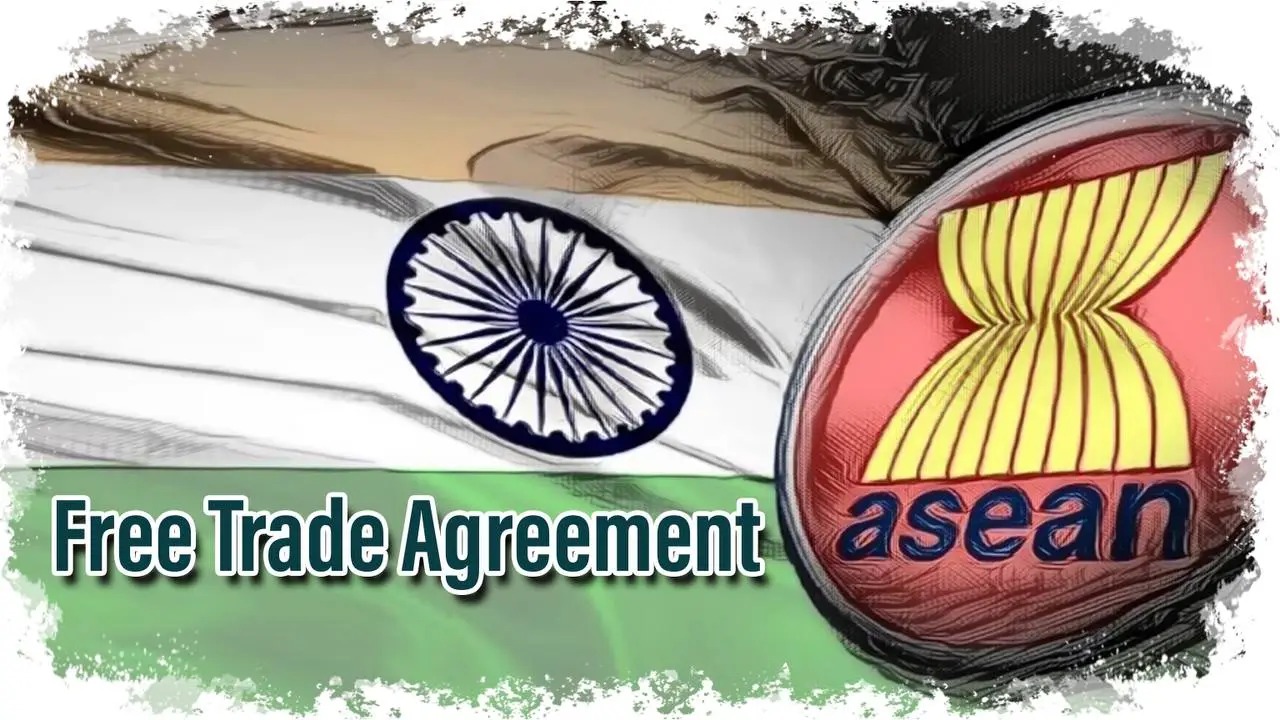
Active FTAs (13): UAE CEPA, ASEAN FTA, Japan/S. Korea CEPA, Australia ECTA, Mauritius CECPA.
-
Recent Wins: India-UK FTA (May 2025), EFTA-TEPA (Oct 2025 start).
-
Under Negotiation: GCC, EU, Canada CEPA, Eurasian Union.
-
Benefits: Tariff cuts on 90%+ goods, services liberalization, investment safeguards.
-
PTAs: MERCOSUR, Chile, SAARC—boosting exports like drugs, textiles.
Sources: India Briefing, Wikipedia, Afleo Logistics, PIB.