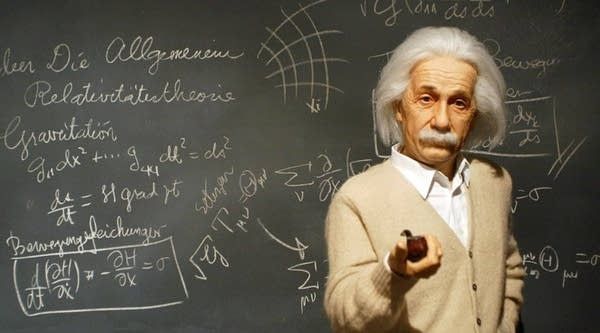






India’s ambition to become a global innovation hub hinges not only on startups and digital infrastructure but on social security, according to recent opinion pieces. Without safety nets, millions of potential innovators—“Lost Einsteins”—cannot afford to take risks. Stronger social protection could unleash hidden talent and drive inclusive innovation.
India’s innovation narrative often highlights startup missions, venture capital, and incubators, but experts argue that the missing piece is social protection. The concept of “Lost Einsteins” refers to talented individuals who never innovate because they cannot risk financial ruin.
Countries with robust social security systems—covering healthcare, education, and unemployment benefits—enable citizens to experiment, fail, and try again. In India, however, the absence of strong safety nets means innovation is concentrated among those with financial privilege.
Analysts stress that innovation is not just about intelligence or ideas—it’s about who can afford to fail. Expanding social security could democratize risk-taking, allowing India’s vast pool of hidden talent to contribute to its innovation ecosystem.
Major Takeaways
-
India’s innovation push risks excluding millions without financial safety nets
-
“Lost Einsteins” are potential innovators unable to take risks due to insecurity
-
Strong social protection systems correlate with higher innovation globally
-
Innovation requires the freedom to fail without catastrophic consequences
-
Social security expansion could democratize risk-taking and unlock hidden talent
-
India’s innovation future depends on inclusive policies, not just tech infrastructure
Conclusion
India’s path to becoming a global innovation hub requires more than digital infrastructure—it demands social security that empowers risk-taking. By protecting vulnerable groups, India can unlock its “Lost Einsteins,” ensuring innovation is inclusive, sustainable, and transformative.
Sources: Deccan Herald, Lost Einsteins Opinion (K. Nanjaraje Urs), WorldNews Analysis