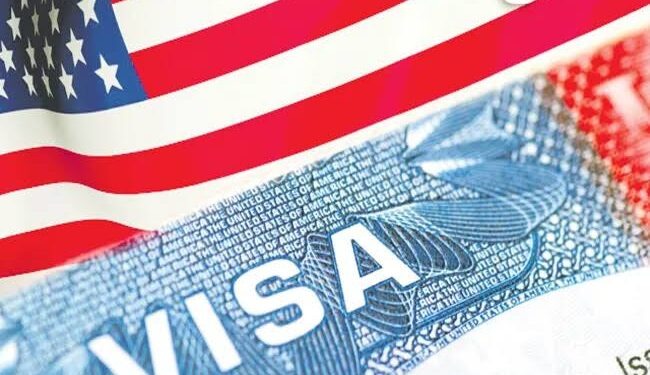
In a sweeping overhaul of student visa regulations, the United States has introduced new restrictions that prevent F-1 visa holders from changing their academic programs or transferring universities during their first year of study. The rule, which takes effect within 30 to 60 days from late August 2025, marks a significant departure from previous norms and is expected to impact thousands of international students, particularly from India, who typically arrive during the fall admission cycle.
Key Highlights From The New Visa Framework
- Newly admitted F-1 visa students must remain enrolled at the institution listed on their I-20 form for at least one academic year
- Transfers to other universities or changes in academic programs are prohibited during the first year
- The rule aims to curb misuse of visa flexibility, where students switch to lower-cost institutions after securing entry into the U.S.
- The new framework also ends the practice of pursuing multiple degrees at the same academic level without reapplying for a fresh visa
- F-1 visas will now be issued for a fixed term of four years, replacing the previous “duration of status” model
Impact On Academic Planning And Student Mobility
- Graduate students can no longer change majors or institutions immediately after arrival, limiting flexibility in academic exploration
- Students advancing from bachelor’s to master’s or Ph.D. programs must exit the U.S. and reapply for a new visa
- The rule affects students who previously used transfer options to reduce tuition costs or shift to preferred programs post-arrival
- Optional Practical Training (OPT) grace period has been reduced from 60 days to 30 days, tightening post-study timelines
Concerns Raised By Education Consultants And Institutions
- Foreign education consultants warn that the rule will disrupt academic planning and increase financial strain
- Students who fail a course or face research delays may struggle to extend their stay under the new fixed-term visa
- Universities may see a decline in mid-year transfers and dual-degree enrollments, impacting enrollment diversity
- Critics argue that the rule penalizes legitimate academic transitions and adds administrative burden for visa renewals
Policy Rationale And Enforcement Measures
- The U.S. Department of Homeland Security has framed the rule as a measure to improve oversight and prevent visa misuse
- Authorities cited cases where students used high-fee institutions for visa stamping and later shifted to low-cost colleges
- The rule is part of a broader immigration tightening strategy that includes changes to J-1 exchange visitor and I media visas
- Visa holders exceeding the four-year limit must leave the country and re-enter with a new visa, even if their academic program continues
Indian Students Among Most Affected
- India remains the top source of international students in the U.S., with over 420,000 enrolled in 2024
- The new rule disproportionately affects Indian students pursuing long-duration programs such as Ph.Ds and integrated master’s degrees
- Students planning to switch institutions for cost or curriculum reasons will now need to complete one full year before initiating a transfer
- Education bodies in India have urged students to plan their academic paths more carefully and avoid last-minute changes
Conclusion
The new F-1 visa restrictions mark one of the most significant shifts in U.S. student immigration policy in recent years. By locking students into their initial academic choices for the first year and capping visa duration at four years, the rule aims to tighten oversight but also introduces new challenges for academic flexibility and long-term planning. As students and institutions adjust to the new framework, careful preparation and compliance will be key to navigating the evolving landscape of international education.
Sources: The Hindu, Business Standard, News18.