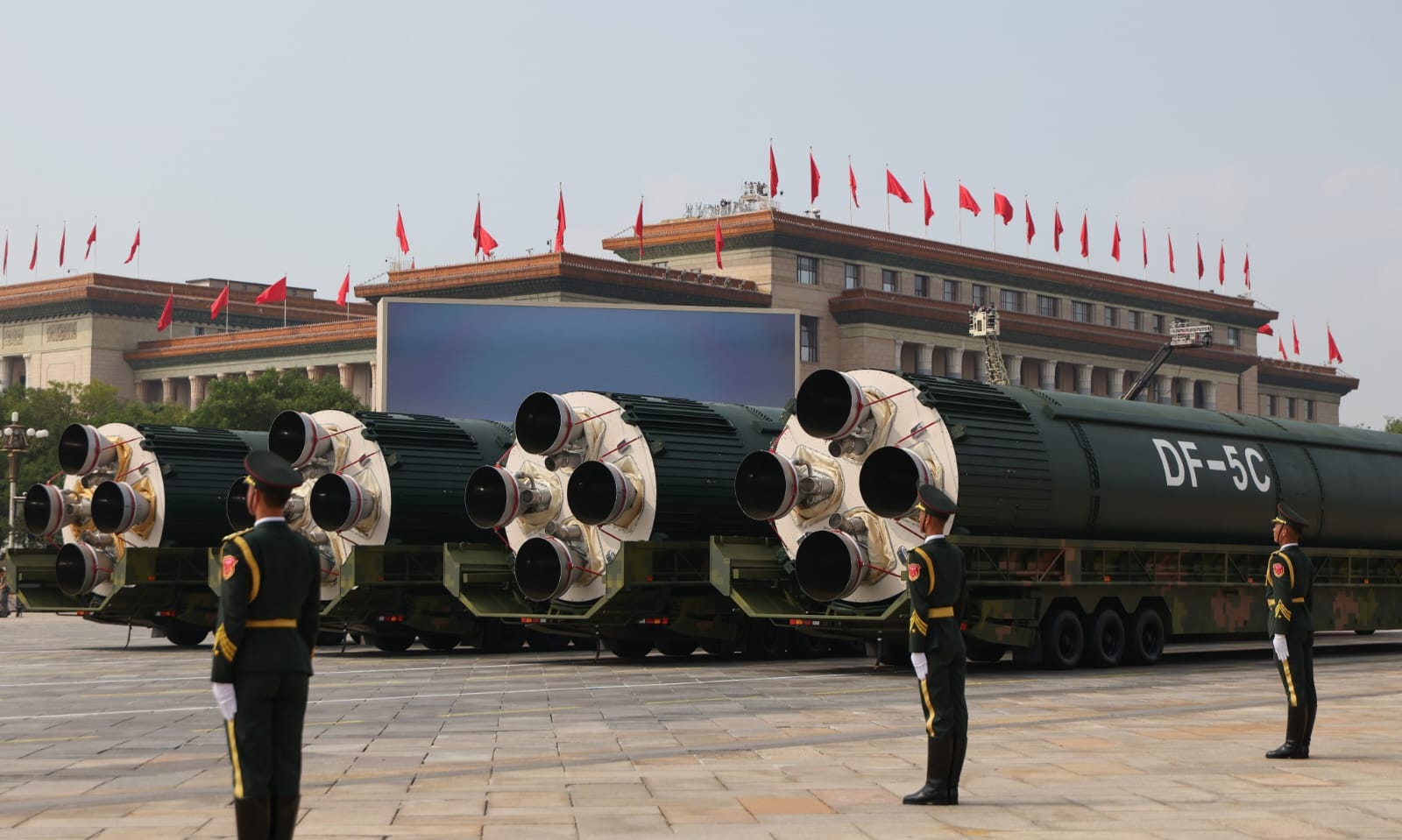







In Geneva, the European Union joined discussions with Russia and China on nuclear arms control, marking a pivotal moment after the expiration of the New START treaty. The talks aim to explore a broader multilateral framework to limit nuclear arsenals, reflecting growing global urgency for renewed security and stability.
The European Union, alongside Russia and China, convened in Geneva this week to deliberate on nuclear arms control, a move seen as critical in reshaping global security architecture. With the expiration of the New START treaty between Washington and Moscow, the urgency for a new framework has intensified.
The United States initiated meetings with Russian officials on Monday, followed by planned engagements with Chinese representatives on Tuesday. EU participation underscores Europe’s intent to play a proactive role in shaping nuclear stability amid escalating geopolitical tensions.
Key Highlights
-
EU officials emphasized the importance of multilateral cooperation to prevent a renewed arms race and ensure transparency in nuclear arsenals
-
The U.S. State Department confirmed that discussions with Russia have already taken place, with China next on the agenda, signaling a push for a treaty that includes all three powers
-
The expiration of New START has left a vacuum in nuclear regulation, raising concerns about unchecked missile and warhead deployments
-
China’s involvement is particularly significant, as it has historically remained outside major nuclear treaties, making its participation a potential turning point in global arms control
-
European diplomats stressed that Geneva talks are not only about deterrence but also about rebuilding trust among major powers
-
Analysts note that while progress may be slow, the inclusion of multiple stakeholders could lay the groundwork for a more comprehensive and enduring agreement
Sources: Reuters, The Straits Times, European Pravda