







Follow WOWNEWS 24x7 on:


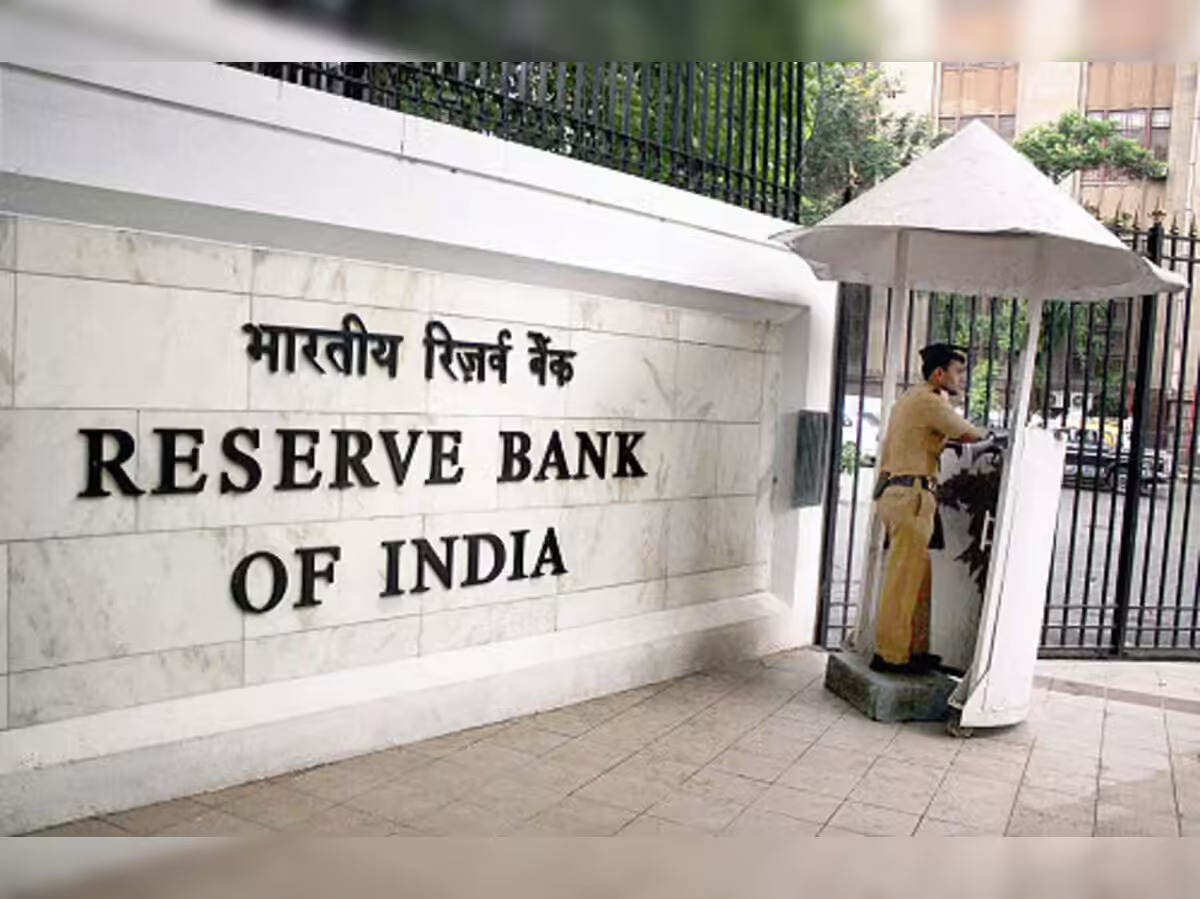
The Reserve Bank of India (RBI) reported partial allotments across multiple Treasury Bill auctions. At the 182-day auction, one bid received 83.6872% allotment, while the 91-day auction saw nine bids allotted 2.0981%. Additionally, one bid at the 364-day auction received 24.0710%. These allotments reflect investor demand and liquidity management.
Show moreStay Ahead – Explore Now! Rail Vikas Nigam Limited Connects Kazipet Coach Manufacturing Unit To Rail Network



Updated: February 24, 2026 18:05

Updated: February 23, 2026 17:25
Updated: February 22, 2026 19:20










Follow WOWNEWS 24x7 on:





Copyright 2024 WOWNEWS 24x7. All rights reserved. The WOWNEWS 24x7 is not responsible for the content of external sites. Read about our approach to external linking.
Powered By Just Imagine
