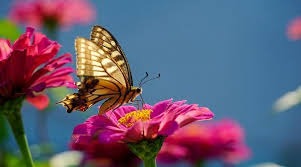




A new study shows that geotagged social media images can significantly enhance biodiversity monitoring worldwide. By integrating photos from platforms like Flickr and Facebook, researchers improved species occurrence records, filling gaps in underrepresented regions and offering scalable solutions for conservation science and ecological resilience.
Researchers from the German Centre for Integrative Biodiversity Research (iDiv), Friedrich Schiller University Jena, Helmholtz Centre for Environmental Research, and Monash University have demonstrated how social media can transform biodiversity tracking. Their study, published in Conservation Biology, focused on the tawny coster butterfly, combining Global Biodiversity Information Facility (GBIF) records with geotagged public images.
This integration boosted species observations by 35%, uncovering new distribution patterns across South and Southeast Asia. Social media images provided crucial data in areas where traditional monitoring is limited, offering real-time insights into species spread and ecological changes.
Experts believe this approach could reshape conservation science by merging citizen-generated content with formal datasets. It highlights the growing role of digital platforms in bridging scientific gaps, ensuring more comprehensive biodiversity tracking, and supporting global ecological resilience.
Key Highlights
-
Geotagged social media photos enhance biodiversity datasets
-
Study published in Conservation Biology
-
35% increase in species observations using integrated data
-
Focus on tawny coster butterfly across South and Southeast Asia
-
Combines citizen content with formal monitoring for scalable conservation
Sources: German Centre for Integrative Biodiversity Research (iDiv), Conservation Biology Journal, Helmholtz Centre for Environmental Research, Monash University