







Structural batteries are redefining automotive innovation by merging energy storage with vehicle architecture. Recent breakthroughs unveiled at Davos 2026 and highlighted in Scintillation Research’s report show how integrating lithium-based composites into chassis and panels can reduce weight, extend range, and enhance safety, marking a pivotal shift in electric mobility.
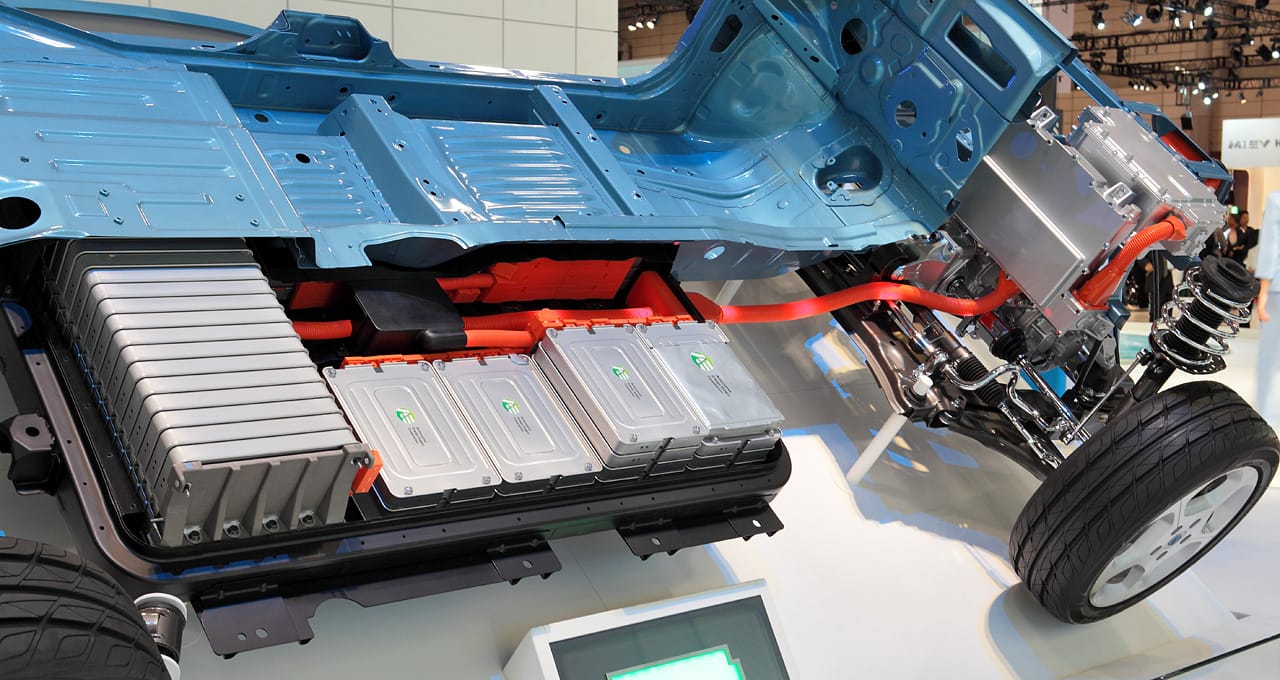
The automotive industry is entering a transformative phase with structural battery composites (SBCs), a technology that integrates energy storage directly into the vehicle’s framework. Unlike conventional EVs where batteries are separate, SBCs embed lithium-ion storage into structural components such as floor panels and chassis members. This dual-function approach reduces overall weight, boosts efficiency, and opens new design possibilities.
Key Highlights
-
Structural batteries act as both energy source and load-bearing frame, eliminating the need for bulky battery packs
-
Scintillation Research’s latest analysis emphasizes how SBCs can replace passive structural parts, improving efficiency and lowering manufacturing costs
-
At Davos 2026, Chalmers University of Technology showcased the “world’s strongest” structural battery, offering up to 70% more driving range while enhancing safety with semi-solid electrolytes that reduce fire risks
-
Early adopters in the automotive sector are exploring SBC integration to achieve lighter, more aerodynamic designs, potentially revolutionizing EV performance standards
-
Beyond cars, structural batteries are being tested for aircraft and other mobility solutions, signaling cross-industry applications
-
The innovation also addresses sustainability goals by reducing material use and enabling longer-lasting, safer energy systems
This breakthrough positions structural batteries as a cornerstone of next-generation automotive design, blending efficiency, safety, and sustainability. As automakers and researchers push forward, SBCs could become the defining technology of electric mobility in the coming decade.
Sources: Scintillation Research, Chalmers University of Technology, PRNewswire