
Listening has emerged as a transformative practice in 2026, shaping leadership, education, and collaboration. Experts highlight that listening is not passive but an active process that builds trust, enhances decision-making, and strengthens relationships. Schools, workplaces, and communities are rethinking listening as both a tool for learning and a discipline for growth.
Listening is increasingly recognized as the gateway to wisdom and growth. True learning begins when one listens with intent, empathy, and openness. In classrooms, listening is being integrated into competency-based frameworks, while in workplaces, it is acknowledged as a cornerstone of leadership and innovation.
Listening is not passive reception but active engagement. It requires silence, humility, and the willingness to absorb perspectives beyond one’s own. This approach is gaining traction in 2026, as organizations and schools worldwide recognize that listening builds trust, enhances collaboration, and unlocks creativity.
Shifts In Education
Educational reforms are embedding listening practices into curricula, teaching students to engage deeply with peers and teachers. Listening is being treated as a pathway to holistic learning.
Listening In Leadership
Leaders who listen are seen as more empathetic and effective. Modern leadership models link listening to trust, motivation, and long-term success.
Key Highlights
-
Listening reframed as active engagement, not passive hearing
-
Educational reforms integrate listening into competency-based learning frameworks
-
Workplaces recognize listening as essential for collaboration and innovation
-
Leaders who listen foster trust and unlock creativity in teams
-
Listening linked to better decision-making, empathy, and organizational success
Conclusion
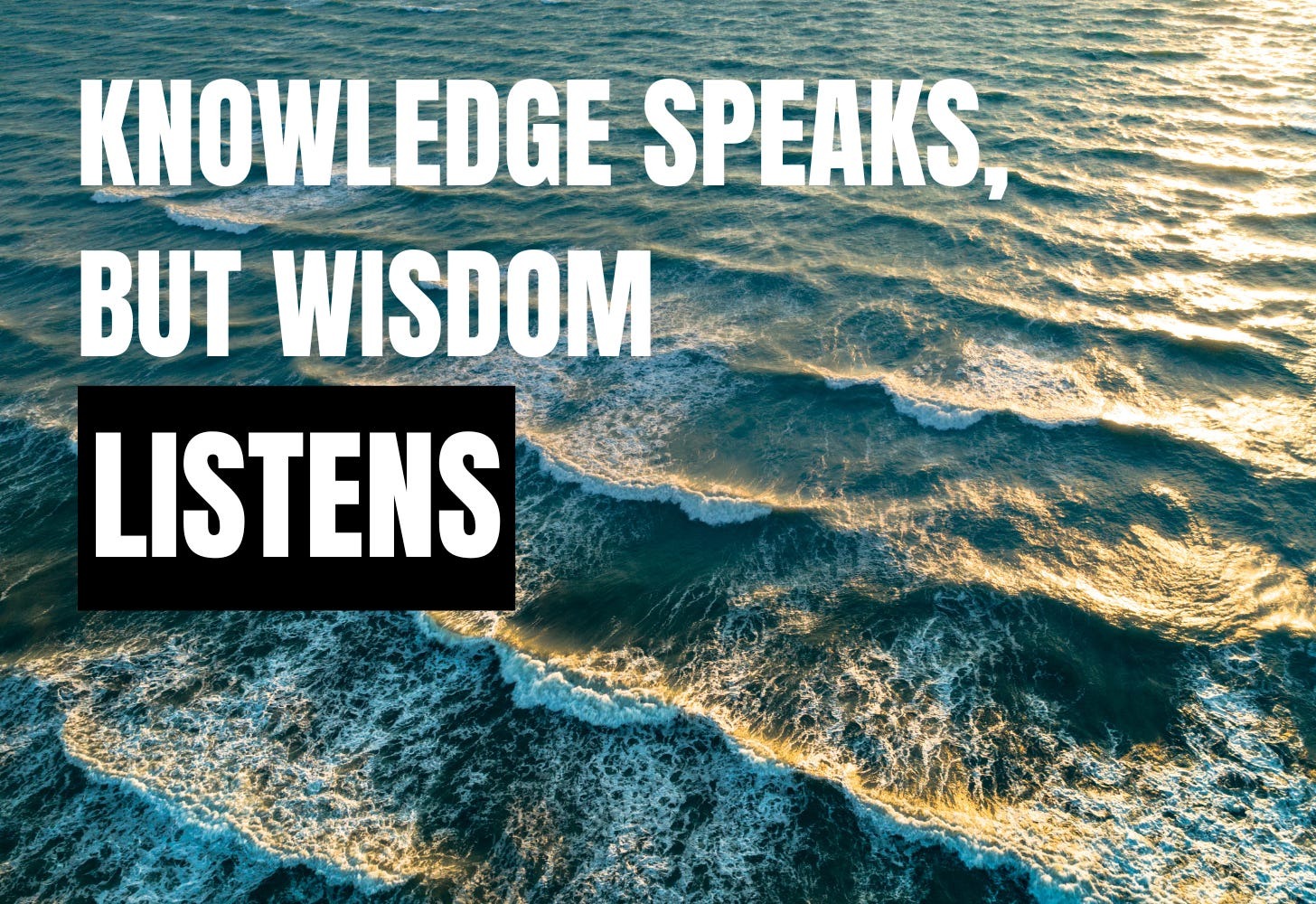
The dual power of listening to learn and learning to listen reflects a timeless truth: wisdom flows not from speaking but from attentive silence. In 2026, listening is being embraced as both a practice and a necessity, shaping education, leadership, and human connection.
Sources: UNESCO Education Reports, Harvard Business Review, The Hindu, Indian Express, Psychology Today