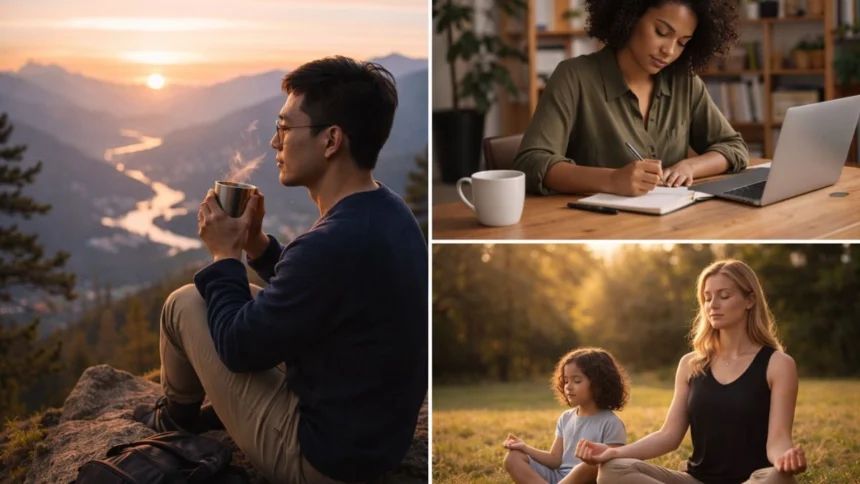

A recent psychology‑focused feature highlights how people who feel naturally comfortable being alone often develop seven deep emotional skills that many struggle to learn. Rooted in introspection, resilience, and self‑awareness, these abilities emerge not from isolation but from meaningful solitude, shaping stronger emotional intelligence and healthier relationships.
A growing body of psychological insight suggests that individuals who genuinely enjoy their own company often cultivate emotional strengths that others spend years trying to build. As explored in a recent article, solitude—when chosen, not forced—creates space for self‑reflection, emotional clarity, and personal growth.
The piece traces the author’s own journey from childhood comfort in quiet corners to adulthood moments of introspection, revealing how time spent alone can become a powerful teacher. Rather than being antisocial, these individuals tend to be self‑aware, grounded, and emotionally resilient, with a deeper understanding of their inner world.
Experts note that positive solitude helps people regulate emotions, set boundaries, and build healthier relationships because they are not driven by fear of being alone. Instead, they approach connection from a place of strength and authenticity.
Key Highlights / Major Takeaways
-
Solitude fosters heightened self‑awareness and emotional clarity
-
People comfortable alone often develop strong introspection habits
-
Time spent in quiet reflection builds resilience and independence
-
Such individuals tend to form healthier, more intentional relationships
-
Solitude supports better emotional regulation and decision‑making
-
Comfort with being alone reduces social pressure and dependency
-
These skills often emerge naturally, without formal training
Sources: Silicon Canals, Psychology Features