








Follow WOWNEWS 24x7 on:


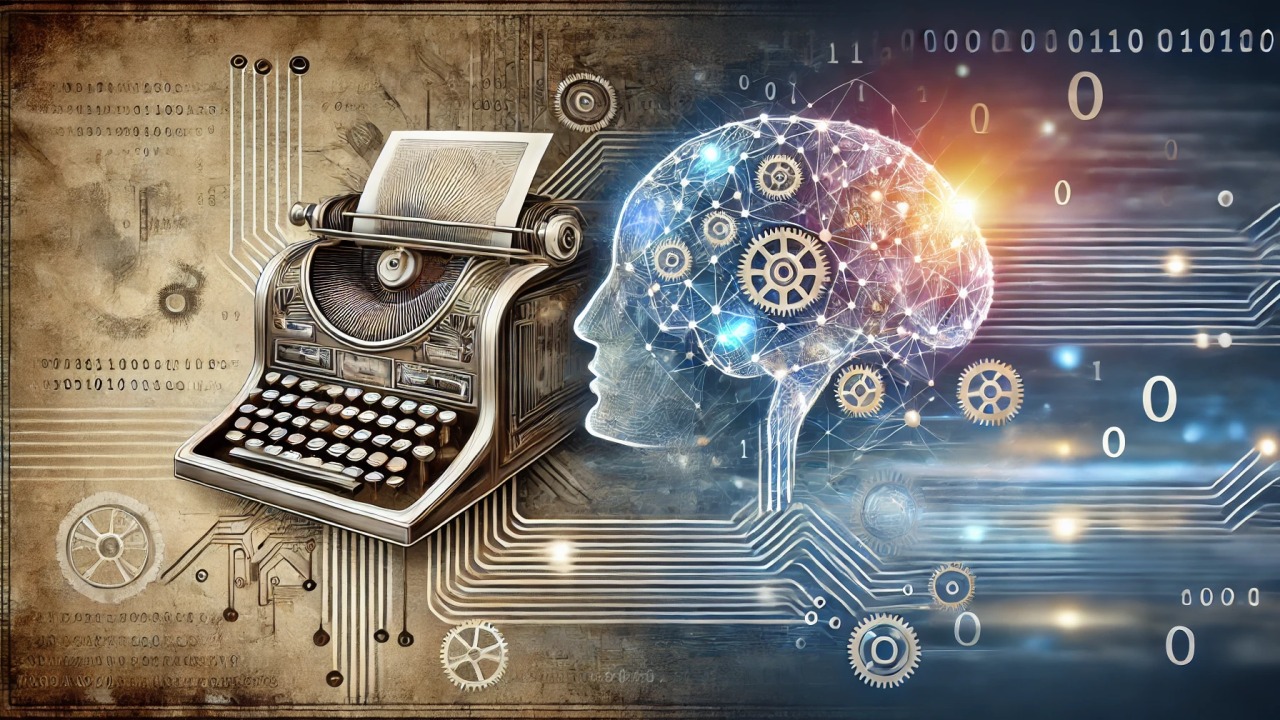
Artificial Intelligence has evolved from Alan Turing’s 1950 Imitation Game a thought experiment asking “Can machines think?” to today’s super-intelligent tools shaping industries worldwide. From early rule-based systems to modern generative AI, this journey reflects decades of innovation, philosophical debate, and technological breakthroughs that continue to redefine human–machine interaction.
Show moreStay Ahead – Explore Now! UAE To Deploy 8 Exaflop Supercomputer In India



Updated: February 24, 2026 18:05

Updated: February 23, 2026 17:25

Updated: February 22, 2026 19:20












Follow WOWNEWS 24x7 on:





Copyright 2024 WOWNEWS 24x7. All rights reserved. The WOWNEWS 24x7 is not responsible for the content of external sites. Read about our approach to external linking.
Powered By Just Imagine
