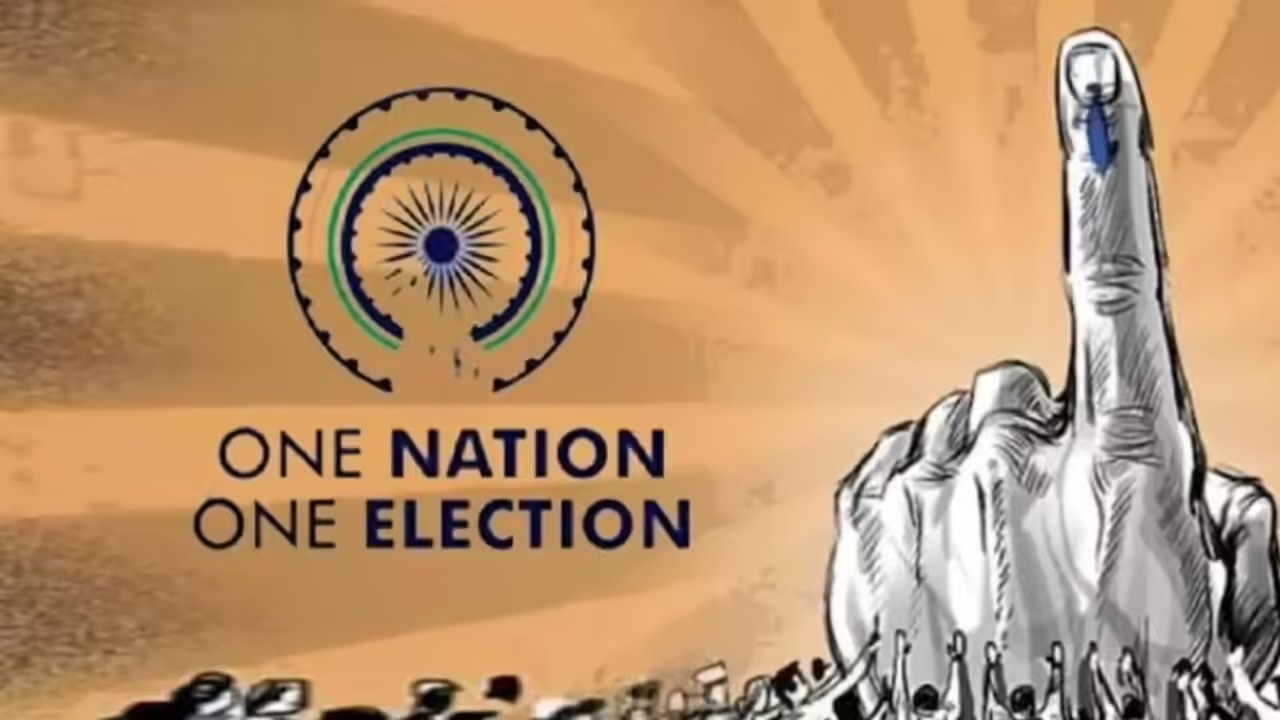
The Joint Parliamentary Committee has unveiled a roadmap for "One Nation, One Election," proposing a phased synchronization of India's Lok Sabha and State Assembly polls by 2034. While proponents argue the reform will reduce administrative costs and governance disruptions, critics contend it threatens India’s federal structure and regional political autonomy.
The Joint Parliamentary Committee aims to synchronize India's electoral cycles by 2034, seeking to reduce governance disruptions and curb mounting public expenditures.
The vision for "One Nation, One Election" (ONOE) in India has reached a critical juncture as the Joint Parliamentary Committee (JPC) outlines a comprehensive roadmap for a phased transition toward simultaneous polling. According to JPC Chairman and Lok Sabha Member P.P. Chaudhary, the committee is working toward a structural transformation that would align elections for the Lok Sabha and State Legislative Assemblies by 2034.
The proposal, which involves the Constitution (One Hundred and Twenty-Ninth Amendment) Bill, 2024, and the Union Territories Laws (Amendment) Bill, 2024, seeks to restore the electoral harmony that existed in India during the initial decades after Independence. By synchronizing election cycles, the government aims to end the "perpetual campaign mode" that currently defines the Indian political landscape.
Phased Implementation and Constitutional Adjustments
The JPC has clarified that "One Nation, One Election" does not imply that the entire nation would cast votes on a single day. Instead, the process would be phased, guided by the logistical requirements of the Election Commission of India (ECI).
To achieve this, the roadmap involves an "appointed date" mechanism. Following a national election, the President would issue a notification, and the terms of all State Assemblies elected after that date would be shortened or adjusted to expire simultaneously with the Lok Sabha’s five-year term. If a state government were to fall mid-term, the new House would serve only the remainder of that term, ensuring the state remains synced with the national cycle.
"By bringing together the remaining State elections, all elections across the country will shift to a simultaneous process by the year 2034," P.P. Chaudhary stated during a recent press briefing in Bengaluru. The committee is also exploring mechanisms to handle potential hung assemblies, potentially adopting the German or Japanese models to ensure that a new leader is confirmed before a current government can be dissolved.
Rationale: Economy and Governance
Official briefings emphasize that the current fragmented electoral cycle—where different states go to the polls at various times throughout the year—imposes heavy administrative and financial burdens. Frequent elections result in the repeated imposition of the Model Code of Conduct (MCC), which officials claim often pulls bureaucrats away from their regular duties, delaying welfare schemes and public projects.
Proponents argue that simultaneous elections could save significant public funds. Recent working papers have estimated that the change could reduce polling personnel deployment by nearly 28%, saving over a crore of personnel-days. Furthermore, advocates suggest that removing the constant cycle of campaigning could foster a more stable environment for foreign investment by providing policy continuity.
Resistance and Federal Concerns
Despite the government’s push, the initiative faces significant opposition from constitutional experts and civil society groups. On July 4, 2026, a conclave titled "One Nation, One Election: Federalism and Citizenship" in New Delhi saw eminent citizens and retired officials reject the proposal. Critics argue that the move would "fracture the federal compact," effectively curtailing the ability of State Assemblies to manage their own affairs and undermining the diversity of India’s regional political representation.
Opponents also raise concerns regarding the centralization of power, fearing that simultaneous elections may inadvertently favor national-level parties at the expense of regional concerns. The logistical challenge of maintaining this system over the long term remains a subject of intense academic and legal debate.
Key Facts at a Glance
2034 Goal: The JPC intends to have all Lok Sabha and State Assembly election cycles synchronized by 2034.
Operational Mechanism: Terms of State Assemblies elected after the "appointed date" will be adjusted to end with the Lok Sabha’s term.
Economic Impact: Proponents estimate the move could increase GDP growth and save significant taxpayer money by reducing frequent election-related administrative costs.
Legislative Basis: The framework relies on the Constitution (129th Amendment) Bill, 2024, and the Union Territories Laws (Amendment) Bill, 2024.
FAQ
1. Does "One Nation, One Election" mean the entire country votes on one day?
No. Officials have clarified that voting would happen in phases based on the Election Commission's logistical convenience.
2. What happens if a State Government falls before its term ends?
Under the proposed roadmap, a fresh election would be held for the "unexpired term" only, ensuring the state’s election cycle remains aligned with the national schedule.
3. Does this require a constitutional amendment?
Yes. Implementing ONOE requires amending several articles of the Constitution, including Articles 83, 85, 172, 174, and 356, which would likely necessitate a two-thirds parliamentary majority and ratification by half of the state legislatures.
4. Why are some groups opposing this move?
Critics, including groups of retired bureaucrats and judges, argue that it undermines the federal structure of India, reduces the autonomy of states, and might prioritize national agendas over regional priorities.
Source: Press Information Bureau (PIB), Drishti IAS, The Hindu