Prime Minister Narendra Modi announced that India successfully weathered the West Asia energy crisis by diversifying import sources and reconfiguring domestic refineries. Through strategic diplomatic efforts and state-led fiscal support, the government maintained fuel supplies and shielded consumers from severe price hikes, ensuring economic stability despite significant global market volatility.
Prime Minister Narendra Modi credits proactive diplomacy and strategic domestic policies for shielding Indian citizens from the severe effects of the recent West Asia energy crisis.
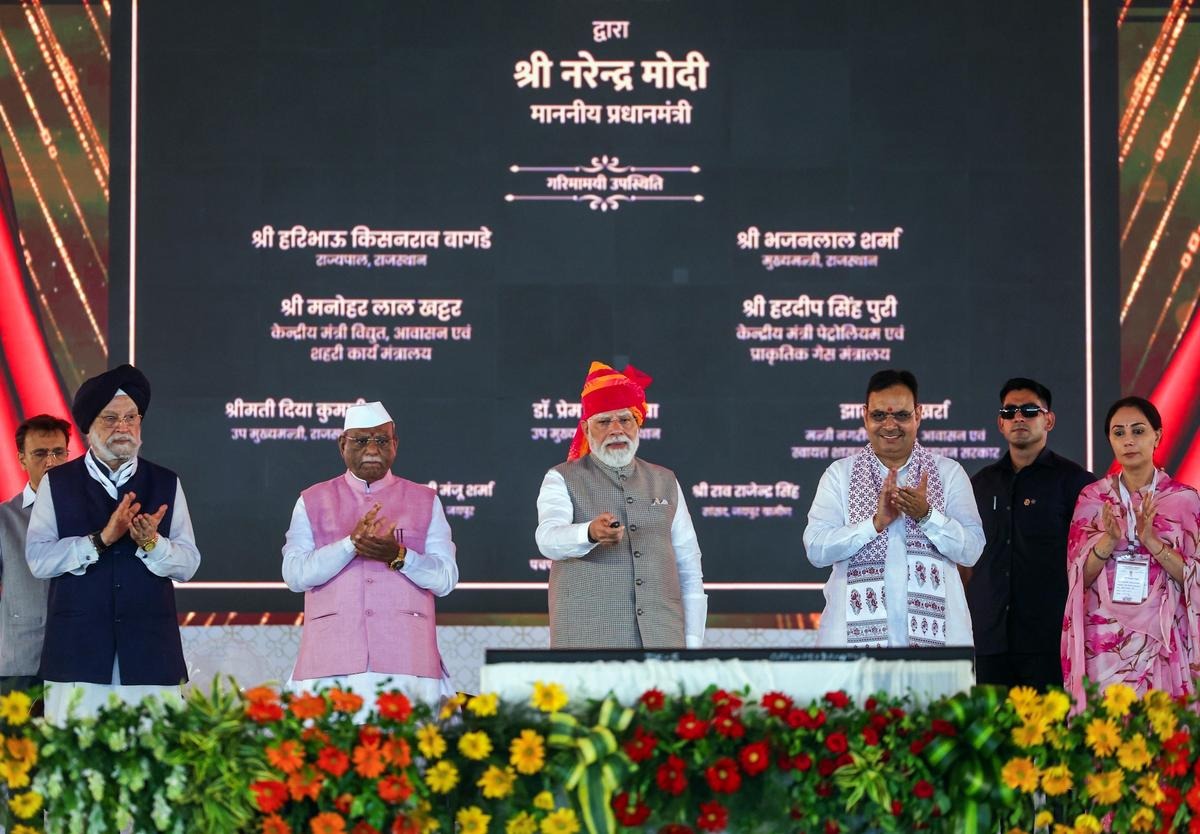
India has successfully navigated what Prime Minister Narendra Modi described as the "biggest energy crisis of the 21st century," a situation triggered by escalating conflict in West Asia. Speaking on Saturday, July 4, 2026, at the inauguration of a greenfield integrated refinery-cum-petrochemical complex in Balotra, Rajasthan, the Prime Minister asserted that India’s timely intervention and strategic planning prevented the supply disruptions and price surges experienced by many other global economies.
According to the Prime Minister, the government’s multifaceted response involved leveraging diplomatic relationships, diversifying energy imports, and rapidly reconfiguring domestic refinery operations to ensure uninterrupted fuel supplies, even in remote regions.
Strategic Response to Global Disruptions
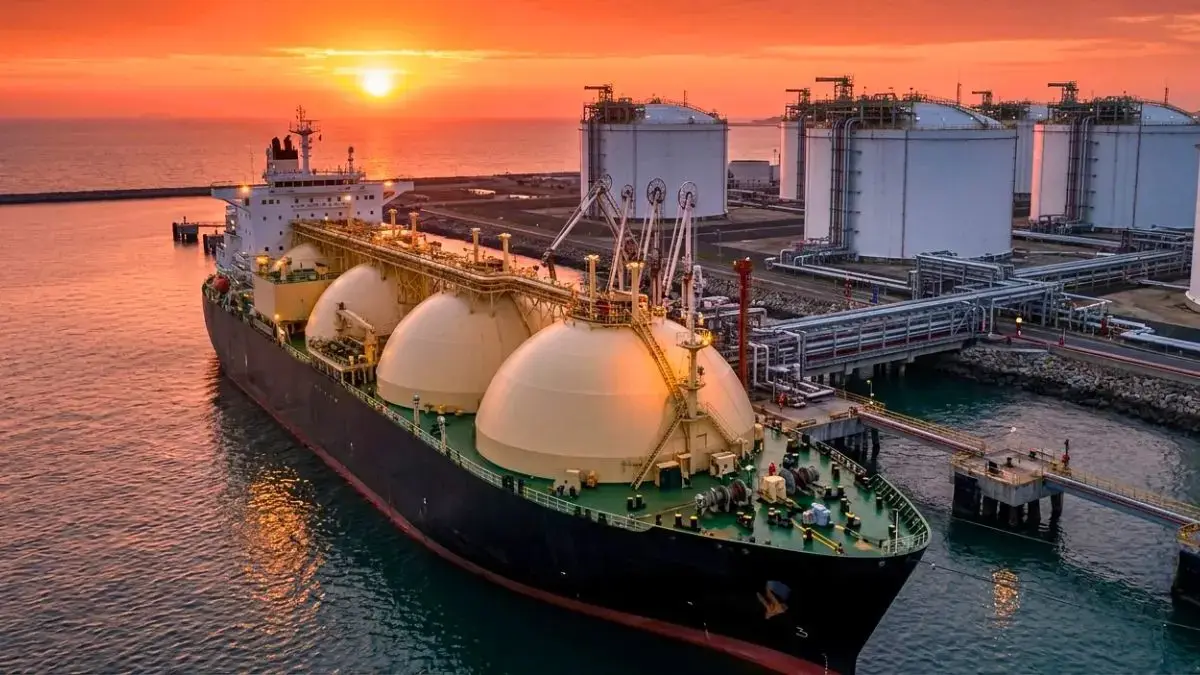
The energy crisis, fueled by conflict in West Asia, threatened India’s supply chain, particularly given that approximately 60% of the country’s LPG requirements were met through imports, with 90% of those shipments passing through the volatile Strait of Hormuz.
To mitigate this, the government implemented several key measures:
Diversification of Imports: India expanded its energy sourcing from approximately 26 countries to more than 40 nations, reducing reliance on single-source regions.
Refinery Reconfiguration: Domestic refineries were rapidly repurposed to maximize LPG production. Refineries that had previously produced other petroleum products were reconfigured for LPG, resulting in an output increase from 35,000 metric tonnes to 54,000 metric tonnes within seven days.
Expansion of PNG: To reduce the pressure on LPG demand, the government accelerated the expansion of Piped Natural Gas (PNG) connections, adding over 1.1 million households in a short timeframe.
Shielding Citizens from Price Spikes
Prime Minister Modi emphasized that the primary goal of these policies was to protect the common citizen from the global surge in fuel prices. He noted that while market experts predicted domestic LPG cylinder prices could soar to ₹2,000, the government successfully kept them below ₹950. Furthermore, prices for Ujjwala beneficiaries were restricted to ₹650.
"State-run oil marketing companies absorbed losses of about ₹75,000 crore in the June-end quarter to ensure that the burden on citizens did not increase significantly," the Prime Minister stated. This fiscal support, combined with a reduction in excise duty, served as a buffer against the global price volatility that saw crude oil costs jump from roughly $70 per barrel to $120 per barrel following the conflict’s escalation.
Official Perspective and Future Outlook
Organizers stated that the newly inaugurated refinery in Rajasthan—a landmark project with an investment of ₹79,459 crore—is central to India’s long-term energy security. With a refining capacity of 9 million metric tonnes per annum (MMTPA), the facility is expected to reduce import dependency and support regional industrial growth.
Prime Minister Modi also addressed critics who speculated about India’s failure during the crisis, stating that those who engaged in "rumour mongering" and "fear-mongering" were ultimately proven wrong by the country's resilience.
Why It Matters
The ability to maintain stable energy supplies during a period of intense global geopolitical instability provides significant economic benefits. By avoiding fuel rationing and shielding consumers from extreme price hikes, India maintained industrial continuity and household stability, distinguishing its economic performance from many other nations that faced severe energy shortages.
Key Facts at a Glance
Crisis Management: India avoided fuel rationing and major supply disruptions despite the conflict in West Asia.
Source Diversification: The number of countries providing energy imports to India increased from 26 to over 40.
LPG Stability: Domestic LPG prices were shielded, kept below ₹950, whereas global trends suggested potential costs reaching ₹2,000.
Fiscal Support: Oil marketing companies absorbed approximately ₹75,000 crore in losses to stabilize consumer prices.
Refining Capacity: India has emerged as the world's fourth-largest refiner, with new projects like the Balotra complex further expanding its domestic capabilities.
FAQ
1. How did India maintain energy supplies despite the West Asia conflict?
India leveraged strong diplomatic ties to diversify its energy import sources from 26 countries to over 40 and reconfigured domestic refineries to boost LPG production.
2. Why did the government choose to absorb fuel price losses?
The government aimed to shield households and farmers from the global price spike, preventing the economic shock that would have occurred if costs had been fully passed on to consumers.
3. What was the impact on LPG prices?
While global market conditions suggested prices could reach ₹2,000 per cylinder, the government maintained prices below ₹950 for domestic users and ₹650 for Ujjwala beneficiaries.
4. How will the new Balotra refinery help India?
The Balotra refinery-cum-petrochemical complex will strengthen India's energy security by increasing domestic refining capacity, reducing import dependency, and fostering industrial growth in Rajasthan.
Source: Press Information Bureau, The Hindu, Times of India, The Telegraph