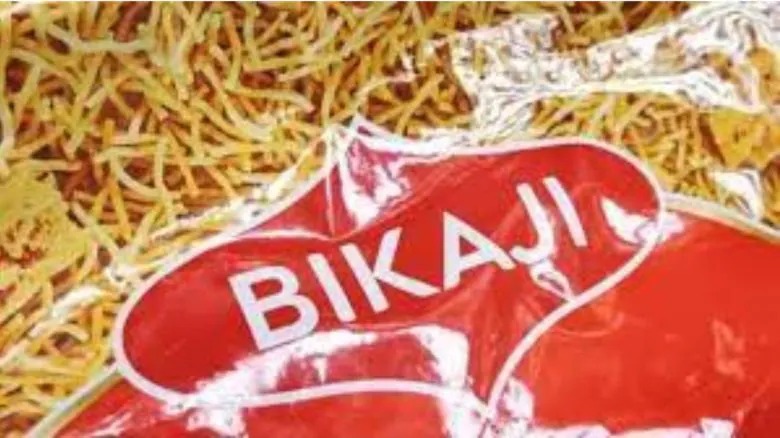
Bikaji Foods International has injected $2.9 million into its US subsidiary to establish a local manufacturing plant. This investment aims to transition the company from an export-led model to domestic production in the US, strengthening its supply chain and accelerating growth in the high-demand North American ethnic snacks market.
The ethnic snacks major is pivoting toward local production in North America to bolster supply chain reliability and capture growing mainstream demand.
Bikaji Foods International Limited has announced a fresh capital infusion of $2.9 million (approximately ₹25 crore) into its wholly owned subsidiary, Bikaji Foods International USA Corp. The investment, completed on July 4, 2026, marks a strategic shift for the Indian packaged snacks leader as it moves to establish a dedicated manufacturing facility in the United States, transitioning from a reliance on exports to localized production.
The company subscribed to 290,000 equity shares in the US subsidiary, taking the entity’s total paid-up capital to $4.05 million. This expansion is designed to accelerate business growth, strengthen the company’s distribution network, and improve product accessibility across North America—a market that has emerged as one of the fastest-growing geographies for the brand.
Shifting From Export to Local Production
For years, Bikaji has served the North American market primarily through exports from its facilities in India. However, with the subsidiary's turnover climbing to $2.62 million in the fiscal year ended March 31, 2026—up from $1.77 million in FY25—the company has determined that local manufacturing is necessary to scale operations efficiently.
According to company disclosures, the new facility will allow Bikaji to respond more quickly to market trends and reduce logistics-related lead times. By manufacturing within the United States, the brand aims to better serve both the large Indian diaspora and the increasing number of mainstream consumers exploring ethnic and ready-to-eat food products.
Strategic Growth and Market Positioning
This investment is part of a broader push to deepen Bikaji’s global footprint. While the brand remains a dominant player in India’s namkeen and sweets categories—having recently reported a robust 18% revenue growth in the final quarter of FY26—international markets are increasingly viewed as a critical lever for high-margin expansion.
"The fresh capital will be used to establish a manufacturing facility in the United States, enabling Bikaji to produce locally instead of relying solely on exports," organizers stated. The move is expected to improve supply chain reliability and allow the company to optimize its inventory management in a region where competitive pressure in the ethnic foods space is rising.
Why It Matters
The investment highlights a significant trend among Indian FMCG brands: the transition from "exporting from home" to becoming "global multi-geography players." For consumers, local production typically ensures fresher stock and better availability of popular items like bhujia and sweets. For investors, the move signifies Bikaji’s commitment to diversifying revenue beyond the competitive domestic market, aiming to tap into dollar-denominated cash flows that are less susceptible to localized domestic economic fluctuations.
Key Facts at a Glance
Investment Amount: $2.9 million (approx. ₹25 crore) invested in the wholly owned US subsidiary.
Strategic Goal: Establishing a manufacturing plant in the US to shift from an export-only model to local production.
Performance: Bikaji USA’s turnover grew to $2.62 million in FY26, up from $1.77 million in the previous year.
Ownership: Bikaji Foods International Limited maintains 100% ownership of the US entity.
Market Reach: The brand currently exports to 43 countries, with North America identified as a primary growth corridor.
FAQ
1. Why is Bikaji moving to US-based manufacturing?
To reduce reliance on exports, improve supply chain efficiency, and accelerate growth by producing snacks closer to the North American consumer base.
2. Does this change the ownership of Bikaji’s US operations?
No. Bikaji Foods International Limited continues to hold 100% ownership of its US subsidiary.
3. Is the US market significant for Bikaji?
Yes. The US is one of the company's fastest-growing overseas markets, with Bikaji USA seeing consistent year-over-year revenue growth.
4. What products will the US facility manufacture?
The subsidiary focuses on trading and, eventually, manufacturing Bikaji’s core portfolio, including bhujia, namkeen, sweets, and frozen food products.
Source: Bikaji Foods International Investor Relations, Indian Television, Angel One