State-run explorer ONGC has pivoted its corporate strategy toward natural gas as gas volumes officially eclipse crude oil inside its asset portfolio. Backed by a ₹33,000 crore capital deployment and policy reforms that link new well gas to global benchmarks, the firm is targeting an 8 percent annual gas expansion while oil output remains flat.
NEW DELHI, INDIA — State-run energy giant Oil and Natural Gas Corporation (ONGC) is fundamentally reshaping its capital allocation and corporate identity, shifting its core strategy toward natural gas as domestic gas yields officially outpace stagnant crude oil extraction. Speaking to financial analysts on Sunday, June 21, 2026, ONGC Chairman Arun Kumar Singh announced that the corporation should increasingly be identified as a "gas-and-oil" entity rather than a traditional oil-focused explorer.
The structural pivot marks a critical transition for India’s energy security today, driven by surging urban transport consumption and major pricing overhauls that have made newly discovered gas fields significantly more profitable than aging crude reserves.
Gas Replaces Flatlining Crude as Primary Growth Engine
According to performance parameters shared by the company's executive management, ONGC's future volume growth will be almost entirely gas-led. While domestic crude oil extraction has plateaued due to a natural decline in legacy fields and a lack of massive new oil discoveries, natural gas volumes have expanded to claim the largest share of the explorer's production portfolio. "Gas is now slightly more than oil in our portfolio," Chairman Singh confirmed, highlighting that the commodity has become a highly valued fuel in the Indian context.
The change in production dynamics is heavily supported by recent regulatory reforms implemented by the Ministry of Petroleum and Natural Gas. Upstream exploration economics improved dramatically following structural pricing updates that link "new well gas" directly to 12 percent of international crude benchmarks. By replacing lower-yielding legacy gas blocks with market-indexed pricing models, the enterprise has unlocked what management describes as one of the most lucrative and highly competitive gas monetization frameworks globally.
Massive Offshore Investments Target 8 Percent Annual Growth
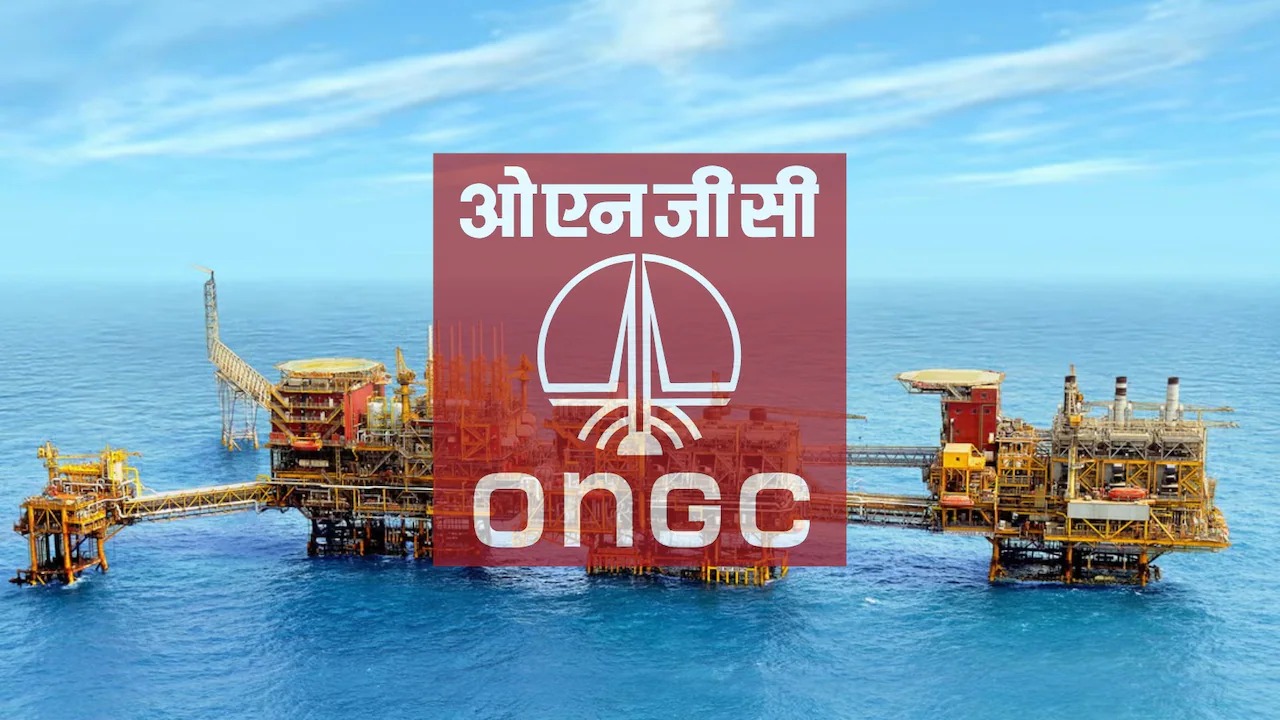
To maximize this gas-led trajectory, ONGC is currently executing a series of intensive development campaigns backed by a ₹33,000 crore capital expenditure program dedicated to offshore infrastructure. The state-owned explorer projects its total natural gas production to register a steady annual growth rate of 7 to 8 percent over the upcoming fiscal cycles. This aggressive expansion is anchored by the gradual commissioning of next-generation deepwater networks, including the high-profile KG-DWN-98/2 block in the Krishna Godavari Basin and several cluster sites under the Discovered Small Fields (DSF) program.
A key metric demonstrating the long-term viability of this transition is the rapid emergence of "new well gas" output. This segment currently accounts for roughly 25 percent of ONGC's total gas yields. With the company maintaining a steady drilling regimen of nearly 500 exploratory and production wells annually, the share of premium-priced new well gas is projected to climb to 30–36 percent in the near term. Furthermore, the company logged a reserve replacement ratio of over 1.1 for the FY25-26 period, proving that it is successfully discovering more hydrocarbon reserves than it actively extracts.
Technical Partnerships Revitalize Western Offshore Fields
While frontier deepwater projects provide future expansion routes, ONGC’s immediate production stability relies on optimizing its core Western Offshore fields, which generate the vast majority of current domestic supply. To check the natural decline of these mature assets, the maharatna firm has entered into a comprehensive Technical Service Partnership (TSP) with global energy major BP. Early operating data indicates that the collaboration is yielding measurable efficiency gains, with legacy sites like Mumbai High tracking at 108 to 109 percent of their baseline gas projection targets.
Simultaneously, the conglomerate is progressing on its international assets and green diversification lines. Output from Russia's Sakhalin field has stabilized, while the landmark Mozambique Liquefied Natural Gas (LNG) consortium is advancing steadily toward a projected 2028 operational completion. Back home, the corporate entity is scaling up its clean energy footprint via its subsidiary, ONGC Green, which has formalized construction schedules to achieve nearly 3 gigawatts (GW) of operational renewable energy capacity by next year to decarbonize its intensive industrial operations.
Official Sources Section
The operational targets, capital expenditure allocations, and financial ratios cited reflect official performance reports and consensus briefings published by Oil and Natural Gas Corporation Limited. Regulatory frameworks regarding pricing equations and deepwater incentives correspond to gazetted directives verified by the Ministry of Petroleum and Natural Gas.
Quote Section
Detailing the deliberate shift in how institutional investors should analyze the conglomerate’s portfolio, ONGC Chairman Arun Kumar Singh stated:
"Gas is now slightly more than oil in our portfolio. We should call ourselves a gas and oil company, not an oil and gas company. Gas is emerging as the dominant growth driver for the state-run explorer, with rising domestic demand, supportive pricing reforms and new field developments pushing production higher."
Why It Matters
For industrial consumers and city gas distribution networks, ONGC's transition to a gas-first strategy guarantees a more predictable, locally sourced supply of clean fuel for transport and electricity. For equity investors, the growing portion of market-indexed "new well gas" lowers the company's exposure to volatile international crude oil cycles, building a highly resilient, structurally high-margin cash flow profile.
Key Facts at a Glance
Strategic Rebrand: ONGC has altered its operational stance to identify as a "gas-and-oil" company as gas production outpaces crude oil.
Growth Outlook: Natural gas output is projected to achieve a year-on-year growth rate of 7 to 8 percent over the coming cycles.
Capital Deployment: A massive ₹33,000 crore investment is actively being deployed to upgrade western offshore and deepwater assets.
Premium Revenue: "New well gas," which yields higher prices linked to 12% of global crude, now accounts for 25% of total company output.
Resource Stability: The company achieved a reserve replacement ratio of over 1.1, ensuring long-term asset replenishment.
FAQ Section
Q: Why is ONGC prioritizing natural gas exploration over crude oil production?
A: Domestic crude oil volumes have plateaued due to the natural depletion of mature fields. Conversely, natural gas presents high commercial margins supported by robust domestic demand and market-friendly pricing updates.
Q: What is "new well gas" and why is it highly profitable for the company?
A: It refers to hydrocarbons extracted from newly drilled wells. Under current policy reforms, this gas is decoupled from legacy price ceilings and is valued at 12 percent of international crude prices, yielding significantly higher revenues.
Q: Which specific infrastructure blocks are driving ONGC's gas volume expansion?
A: The production growth is primarily anchored by development projects in the deepwater KG-DWN-98/2 block in the Bay of Bengal, the Daman offshore expansion, and cluster sites under the Discovered Small Fields program.
Source: ONGC Corporate Communications Desk, Ministry of Petroleum and Natural Gas, Press Trust of India (PTI) Analyst Briefings.