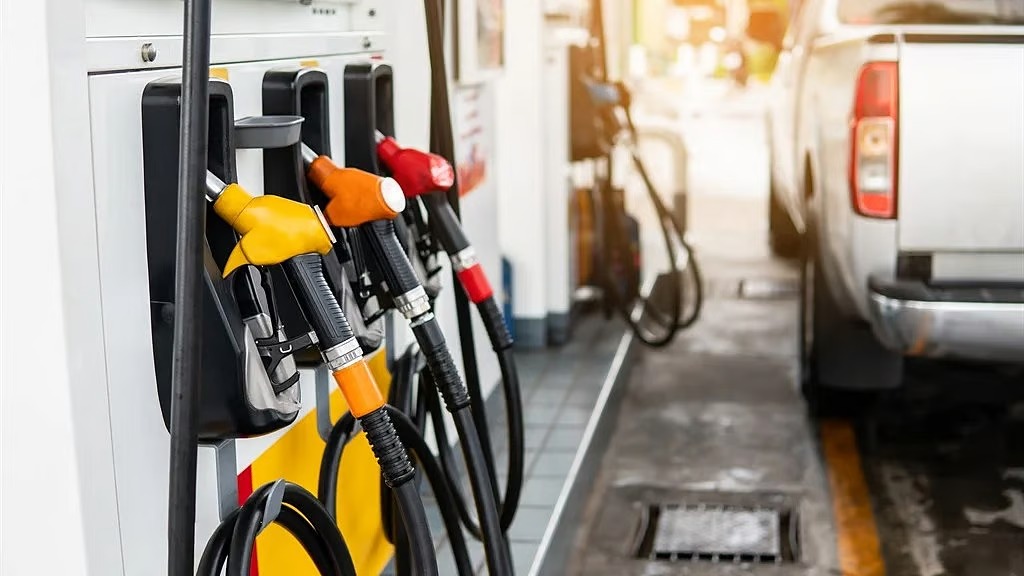
Petrol and diesel prices across India remained unchanged on June 14, 2026, holding at peak levels following late-May price increases. New Delhi maintains a petrol rate of ₹102.12 per litre, while Mumbai stands at ₹111.21. Rates are stable as global crude markets flatten following recent supply disruptions in West Asia.
NEW DELHI — Retail petrol and diesel prices across major Indian metropolitan areas have held steady on Sunday, June 14, 2026. The state-run Oil Marketing Companies (OMCs) elected to keep pump rates unchanged during their daily morning revision cycle. This brief period of price stability follows a series of sharp upward adjustments executed in late May, which pushed retail fuel costs to their highest levels in over two years.
Public sector oil giants, including the Indian Oil Corporation Limited (IOCL), Bharat Petroleum Corporation Limited (BPCL), and Hindustan Petroleum Corporation Limited (HPCL), continue to experience elevated cost pressures. This tension is driven by global supply disruptions in West Asia, which have kept international crude benchmarks hovering near historic boundaries.
Metropolitan Price Breakdowns and Divergences
Due to localized variations in state-level Value Added Tax (VAT), municipal cesses, and regional transportation costs, the absolute retail price of automotive fuel continues to exhibit wide disparities between states.
The localized breakdowns across major urban grids on June 14 include:
New Delhi: The national capital maintains the lowest rates among the four major metro areas, with petrol retailing at ₹102.12 per litre and diesel priced at ₹95.20 per litre.
Mumbai: The financial capital continues to experience the highest burden among prime Tier-1 cities. Petrol remains fixed at ₹111.21 per litre, while diesel sells at ₹97.83 per litre.
Kolkata: Commuters in the eastern hub are paying ₹113.47 per litre for petrol and ₹99.82 per litre for diesel.
Bengaluru and Hyderabad: In Bengaluru, petrol is stable at ₹110.61 per litre. Meanwhile, Hyderabad registers an elevated petrol cost of ₹115.72 per litre, paired with a diesel rate of ₹103.82 per litre.
Global Hydrocarbon Pressures and the Strait of Hormuz Crisis
The retail pricing environment in India is directly exposed to global geopolitical developments due to the nation's high dependence on energy imports. Throughout May and early June 2026, the global energy matrix was destabilized by escalating military and political tensions surrounding the Strait of Hormuz a vital sea route responsible for moving roughly one-fifth of global oil consumption.
The friction pushed Brent crude prices past $94 per barrel. This surge forced Indian OMCs to execute a series of significant consumer-end price increases starting mid-May to insulate their balance sheets from daily refining losses.
While international markets have shown minor stabilization following recent diplomatic de-escalation signals, local supply chains remain highly sensitive to further regional interruptions.
Official Sources Section
According to daily pricing notifications published by the Ministry of Petroleum and Natural Gas and retail tracking logs from the Petroleum Planning & Analysis Cell (PPAC), dynamic fuel pricing mandates require state refiners to calibrate domestic retail rates against a 15-day rolling average of international benchmark prices. State data platforms confirm that the current price stability reflects a localized plateauing of global crude import costs over the past week.
Quote Section
According to senior operations officials at state-owned oil marketing networks:
"The decision to maintain a price freeze on June 14 reflects a temporary easing of crude input volatility after regional partners signaled a commitment to protect key shipping corridors. However, our margins remain thin, and any fresh flare-up in international spot markets will compel a return to daily upward corrections to offset import imbalances."
Union Minister for Petroleum and Natural Gas, Hardeep Singh Puri, addressing an industrial energy forum, stated:
"The government is closely monitoring international supply dynamics. While external shocks have driven fuel prices up over the past month, we are actively diversifying our crude sourcing portfolios increasing intakes from North American and Latin American markets to insulate Indian consumers from regional supply network vulnerabilities."
Why It Matters
Fluctuations in fuel prices directly shape the wider Indian economy by impacting both consumer spending power and corporate operating margins. For everyday citizens and travelers, elevated fuel costs immediately increase personal commuting expenses and squeeze monthly household budgets.
For commercial enterprises and logistics providers, high diesel costs translate directly into elevated freight fees. This cost pressure historically passes down into retail inflation for essential food supplies, manufactured goods, and building materials. For institutional investors, the stability of retail fuel rates provides a predictable short-term cost baseline for transportation, auto, and manufacturing companies.
Key Facts at a Glance
Status Quo Maintained: Public sector OMCs kept petrol and diesel prices unchanged across all major Indian distribution hubs on June 14, 2026.
Peak Benchmarks: Retail fuel rates remain at their highest levels in over two years following a cumulative ₹7.50 per litre price hike over the previous month.
Capital Advantage: New Delhi maintains the lowest relative retail cost among metropolitan hubs, with petrol priced at ₹102.12 per litre.
Import Vulnerability: Ongoing geopolitical instability in West Asia and near the Strait of Hormuz serves as the primary driver behind current pricing levels.
Strategic Diversification: The Ministry of Petroleum is pursuing long-term oil supply arrangements with alternative countries to manage domestic price pressures.
FAQ Section
Q: Why do petrol and diesel prices vary significantly between different states?
A: While the central excise duty remains uniform across the country, individual state governments apply varying percentages of Value Added Tax (VAT) and local freight cesses. This tax variation is the primary reason why petrol costs over ₹111 in Mumbai but remains near ₹102 in New Delhi.
Q: At what time are daily fuel prices updated in India?
A: Under the dynamic fuel pricing framework implemented in 2017, oil marketing companies revise retail fuel prices daily at 6:00 AM IST based on international market trends and currency fluctuations.
Q: How does the Rupee-to-Dollar exchange rate affect local fuel prices?
A: India imports more than 85% of its crude oil requirements, and these transactions are processed globally in US Dollars. If the Indian Rupee weakens against the Dollar, the net cost of importing crude increases, putting upward pressure on domestic retail prices.
Source: Ministry of Petroleum and Natural Gas Government Portal, Indian Oil Corporation Limited Price Sheets, Petroleum Planning & Analysis Cell Data Hub.