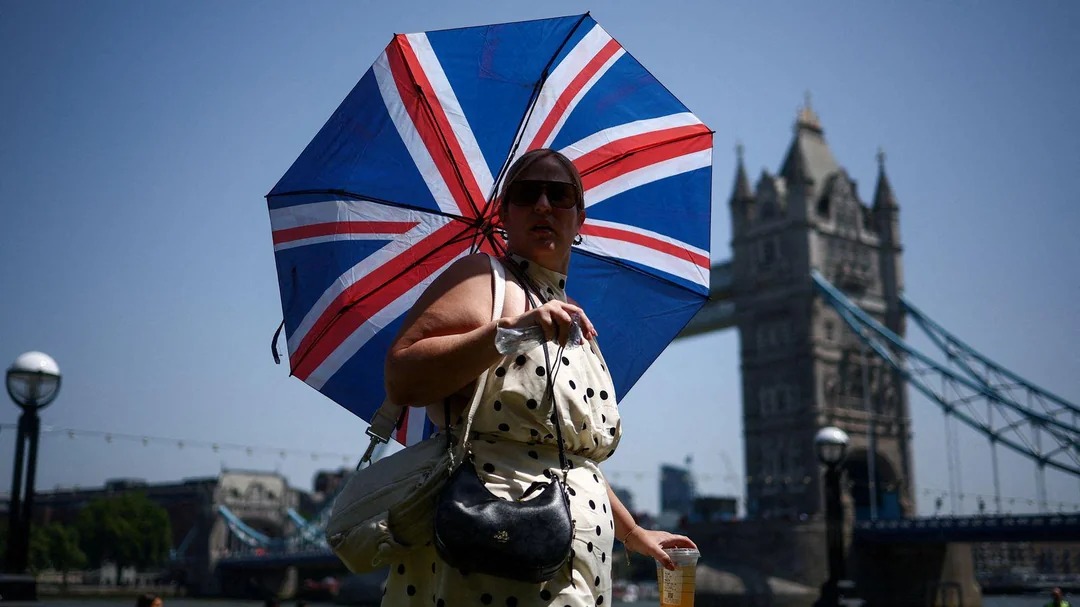
Britain and Switzerland broke all-time June temperature records on Thursday, reaching 36.4°C and 38°C respectively, amidst a deadly heatwave gripping Western Europe. With dozens of fatalities reported, authorities have issued red-level alerts as transport and health services buckle under extreme demand. Scientists warn this intensity is directly linked to human-caused climate change.
LONDON/BASEL — Britain and Switzerland officially recorded their hottest June days on record on Thursday, June 25, 2026, as a brutal early-summer heatwave intensified across Western Europe. The extreme weather, which has been linked to the death of dozens across the continent, continues to disrupt transport networks, force school closures, and place unprecedented strain on healthcare systems.
The UK Met Office provisionally confirmed that temperatures reached 36.4°C (97.5°F) in Yeovilton, Somerset, surpassing the previous record of 36.1°C set just 24 hours prior. Meanwhile, in Switzerland, the city of Basel measured an all-time June high of 38°C, shattering a national record that had stood for nearly eight decades, dating back to 1947.
A Continent Under Pressure
The heatwave, driven by a persistent high-pressure system, has enveloped large parts of France, Germany, Italy, and Spain. In Paris, temperatures climbed to 40.9°C earlier this week, prompting French authorities to trigger the highest level of health service mobilization. Hospitals across the region are reporting a sharp rise in medical emergencies, as millions of residents struggle to cope with a temperature baseline that scientists say is 2°C to 4°C higher due to fossil fuel-driven climate change.
Public life has been severely impacted. In Britain, rail operators have issued warnings about potential track buckling, while schools in various regions have moved to shutter their doors to protect students. London Mayor Sadiq Khan launched the city's first formal heat plan on Thursday, describing the extreme temperatures as a "present danger" rather than a future climate risk.
Official Alerts and Infrastructure Warnings
National weather services, including MétéoSuisse in Switzerland and the UK Met Office, have extended red heat-health alerts through the end of the week. These alerts signify a severe risk to life, with authorities advising citizens to avoid strenuous activity, stay hydrated, and check on vulnerable neighbors.
According to official reports from the World Meteorological Organization (WMO), the heatwave is expected to persist in parts of Central and Southern Europe well into the coming week. The WMO has emphasized that heat-health action plans are currently the primary line of defense as power grids face record demand for cooling.
"According to officials, significant disruption to daily life is likely, and the public should take every effort to adapt their daily routines to cope with these levels of heat, which up to now have been extremely rare for the United Kingdom and much of Western Europe."
Why It Matters
The current heatwave represents a critical escalation in Europe's climate reality. Beyond the immediate risks of heat-related mortality, the event has highlighted systemic vulnerabilities in European infrastructure—from electricity grids straining under air-conditioning demand to the thermal expansion of rail tracks. For citizens, the recurring nature of these events underscores a rapid shift in the "normal" summer climate, necessitating long-term adaptations in urban planning, housing, and public health policy.
Key Facts at a Glance
New UK Record: A provisional high of 36.4°C was recorded in Somerset, following a 36.1°C reading the previous day.
Swiss Milestone: Basel hit 38°C, the highest temperature ever recorded in Switzerland during the month of June, breaking a 1947 record.
Health Crisis: Dozens of fatalities have been linked to the heatwave, with emergency medical calls rising significantly in France and the UK.
Alert Status: Multiple nations, including Britain and the Netherlands, have issued rare red-level heat warnings.
Frequently Asked Questions (FAQ)
1. Why is this heatwave considered "extreme"?
The heatwave is breaking all-time temperature records for the month of June and is lasting for several consecutive days, which is statistically rare for Western Europe during this time of year.
2. Is this heatwave related to climate change?
Yes, climate scientists have estimated that the extreme temperatures across Europe are currently 2°C to 4°C higher than they would be without the carbon pollution generated by the burning of fossil fuels.
3. What precautions are governments taking?
Governments have activated emergency health plans, deployed red-alert warnings, closed schools, and, in some cities like Paris, implemented public restrictions such as bans on alcohol consumption in specific areas to manage crowd behavior and heat stress.
4. Will the heatwave continue?
Meteorological agencies expect the heatwave to persist across parts of Western and Central Europe through the weekend and into the early part of next week.
Source: World Meteorological Organization (WMO), UK Met Office, MétéoSuisse, The Guardian