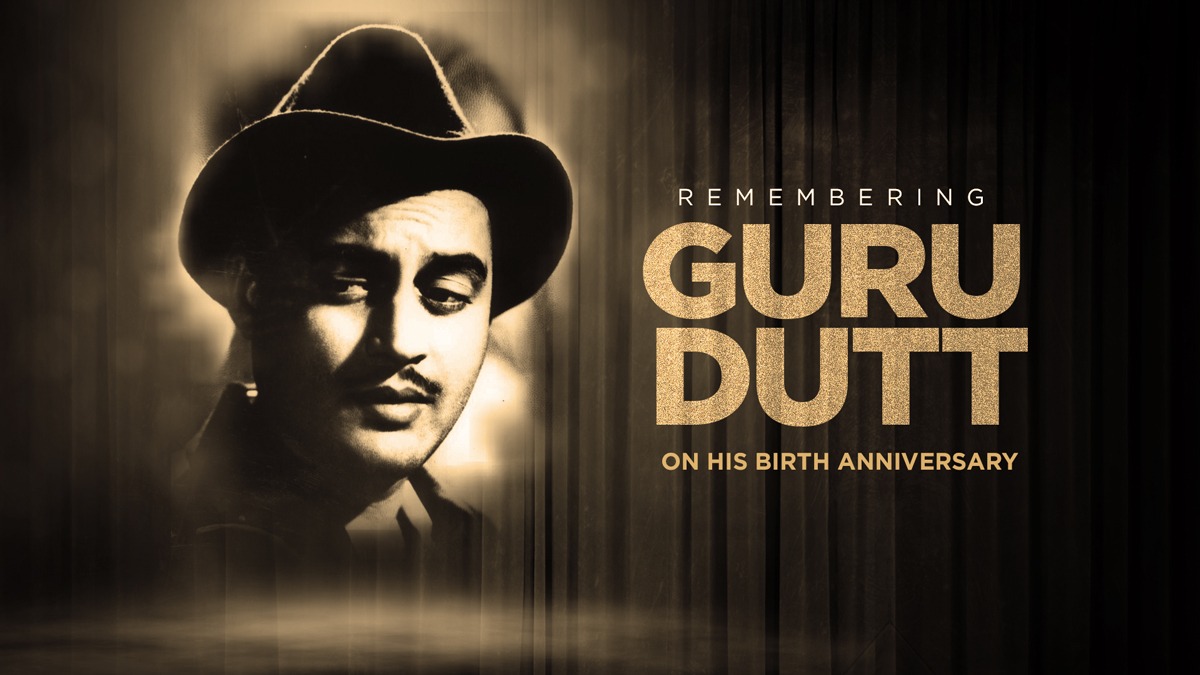
Indian cinema celebrates the 101st birth anniversary of legendary filmmaker Guru Dutt today. Known for his profound, poetic storytelling and technical mastery in classics like Pyaasa and Kaagaz Ke Phool, Dutt remains an enduring icon. Tributes from industry figures honor his visionary contribution to the evolution of global cinematic art.
As Indian cinema commemorates the 101st birth anniversary of the legendary auteur, the industry reflects on a legacy that continues to define poetic storytelling.
MUMBAI – July 9, 2026, marks the 101st birth anniversary of Guru Dutt, the iconic filmmaker, actor, and visionary whose contributions remain the gold standard of Indian cinematic brilliance. Born Vasanth Kumar Shivashankar Padukone in 1925, Dutt’s brief but profound career transformed the landscape of Hindi cinema, leaving behind a body of work that continues to influence modern directors and inspire global audiences.
Industry figures have taken to social media to pay homage to the "melancholic hero," with Bollywood star Jackie Shroff leading tributes by sharing a moving collage of the filmmaker’s iconic black-and-white portraits. The sentiment reflects a broader cultural appreciation for a creator who, despite his untimely passing in 1964 at the age of 39, managed to capture the human condition with unmatched lyrical depth.
A Legacy of Timeless Classics
Dutt’s directorial journey began in 1951 with Baazi, but it was his subsequent ventures that cemented his status as a cinematic genius. His filmography—characterized by its mastery of light, shadow, and profound emotional resonance—includes enduring masterpieces such as Pyaasa, Kaagaz Ke Phool, Sahib Bibi Aur Ghulam, and Chaudhvin Ka Chand.
While films like Pyaasa and Kaagaz Ke Phool struggled to find massive commercial success upon their initial release, they were later reclaimed by critics and film historians as among the greatest works in world cinema. These films provided a platform for some of Hindi cinema's most unforgettable musical scores, composed by legends like S.D. Burman and O.P. Nayyar, and featuring the haunting voices of Mohammed Rafi and Geeta Dutt.
Beyond the Camera: A Complex Life
Guru Dutt’s life was as layered and evocative as the stories he told on screen. His creative partnerships, particularly with actress Waheeda Rehman and writer Abrar Alvi, were instrumental in shaping a singular, avant-garde style. His personal journey, often described as complex and introspective, served as the bedrock for the themes of existential longing, social alienation, and unrequited love that dominated his narratives.
Why It Matters
For contemporary fans and film students, Guru Dutt’s cinema represents a vital study of authorship and resistance. His work remains a testament to the power of film as a medium to challenge societal conventions and express deep-seated melancholia. As India continues to celebrate his centenary decade, exhibitions and retrospective screenings—such as those scheduled in Kolkata—ensure that his "poetic vision" remains accessible to new generations.
Key Facts at a Glance
Birth Details: Born July 9, 1925, in Bengaluru; died October 10, 1964.
Directorial Debut: Baazi (1951).
Iconic Films: Pyaasa, Kaagaz Ke Phool, Sahib Bibi Aur Ghulam, and Aar Paar.
Artistic Style: Renowned for pioneering use of lighting, fluid camera movements, and intense, lyrical musical integration.
Frequently Asked Questions
Why is Guru Dutt considered a visionary?
He was one of the first Indian filmmakers to treat cinema as a deeply personal, poetic medium. His technical mastery, especially his use of shadow and composition, was decades ahead of his time.
Which were his most critically acclaimed films?
While all his works are celebrated, Pyaasa and Kaagaz Ke Phool are widely regarded by international critics and film archives as among the greatest films ever made.
How is the 101st anniversary being observed?
Beyond individual tributes from celebrities like Jackie Shroff, institutions are organizing curated screenings and exhibitions of archival materials to re-examine Dutt’s influence on Indian storytelling.
Source: The Times of India, MillenniumPost