The Indian government’s ongoing cleanliness campaigns have delivered not only a cleaner administrative environment but also remarkable economic gains. Since the launch of these initiatives in 2021, the Centre has earned approximately Rs 3,300 crore from the systematic disposal of scrap and...
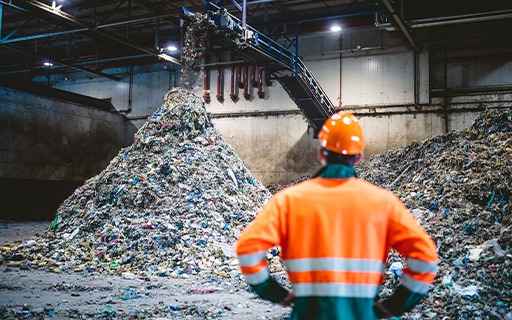
The Indian government’s ongoing cleanliness campaigns have delivered not only a cleaner administrative environment but also remarkable economic gains. Since the launch of these initiatives in 2021, the Centre has earned approximately Rs 3,300 crore from the systematic disposal of scrap and waste materials across various government offices and departments. This landmark achievement underscores the dual benefits of institutional cleanliness — promoting efficiency and generating significant revenue for the public exchequer.
Overview Of The Scrap Disposal Campaign Success
The Centre has generated roughly Rs 3,300 crore from scrap disposal during cleanliness campaigns conducted over the last five years.
These campaigns have freed an astounding 696.27 lakh square feet of office space across ministries and government agencies, facilitating better workspace utilization.
More than 12.04 lakh cleanliness sites have been identified and addressed, ensuring systemic cleanliness and waste management.
File weeding initiatives have closed or eliminated around 137.86 lakh outdated files, reducing clutter and improving administrative speed.
Special Campaign 5.0: A New Phase Begins
Union Minister of State for Personnel Jitendra Singh recently announced the launch of Special Campaign 5.0, designed in two phases:
Preparatory Phase (September 15 to September 30, 2025) to plan and mobilize resources.
Implementation Phase (October 2 to October 31, 2025) focusing on e-waste disposal, improved record management, and governance reforms.
A third-party evaluation will be conducted from mid to late November to assess the effectiveness and sustainability of the initiatives.
Financial And Administrative Gains Recorded
The campaigns not only helped in monetizing waste but also contributed:
To administrative efficiency by reducing backlog and pendency in government offices.
To the enhancement of office environments through significant space optimization.
To the institutionalization of cleanliness and waste management practices aligned with government priorities.
Key Initiatives And Best Practices
Several government departments showcased exemplary results:
The Department of School Education reclaimed over 1.44 lakh square feet of space through scrap disposal and file weeding at various locations.
The Department of Posts reported a steady increase in cleanliness campaign sites and public grievance resolution efforts.
Indian Railways implemented bio-toilets in coaches, established waste-to-energy plants, and banned single-use plastics across stations with effective waste segregation systems.
Ministries adopted innovative waste recycling methods, such as converting plastic into paver tiles across Central Public Sector Enterprises (CPSEs).
Impact On Governance And Public Service
The campaigns reinforce Prime Minister Narendra Modi’s vision of institutional swachhata (cleanliness), reflecting not just hygiene but holistic governance reform. By freeing up space and eliminating paperwork backlogs, the campaigns improve productivity and public service quality. Digital platforms are employed for weekly monitoring, ensuring accountability and progress reporting to the highest levels of government.
Future Prospects And Socio-Economic Benefits
Looking ahead, the focus will remain on:
Expanding e-waste management as a priority area.
Enhancing collaboration between central ministries, state governments, and public sector units.
Sustaining cleanliness drives as an ongoing feature of institutional culture.
Generating further revenues and savings through optimized resource utilization.
Closing Remarks
The government’s robust scrap disposal and cleanliness campaigns have proved that good governance can go hand in hand with financial prudence. The Rs 3,300 crore revenue achievement spotlights a new paradigm where administrative reforms translate into tangible economic benefits, reinforcing India’s commitment to a cleaner, more efficient government machinery.
Sources: The Hindu Business Line, Press Information Bureau India, Hindustan Times, The Week, Economic Times