In a bold move to strengthen India’s maritime capabilities, the state-run Shipping Corporation of India (SCI) has announced plans to acquire a fleet of locally built vessels worth $2 billion. The initiative marks one of the largest fleet expansion efforts in recent years and aligns with the...
In a bold move to strengthen India’s maritime capabilities, the state-run Shipping Corporation of India (SCI) has announced plans to acquire a fleet of locally built vessels worth $2 billion. The initiative marks one of the largest fleet expansion efforts in recent years and aligns with the government’s broader strategy to reduce dependence on foreign carriers and enhance national shipping infrastructure. The deal, reported by Bloomberg and confirmed by multiple industry sources, is expected to significantly reshape India’s ocean freight landscape.
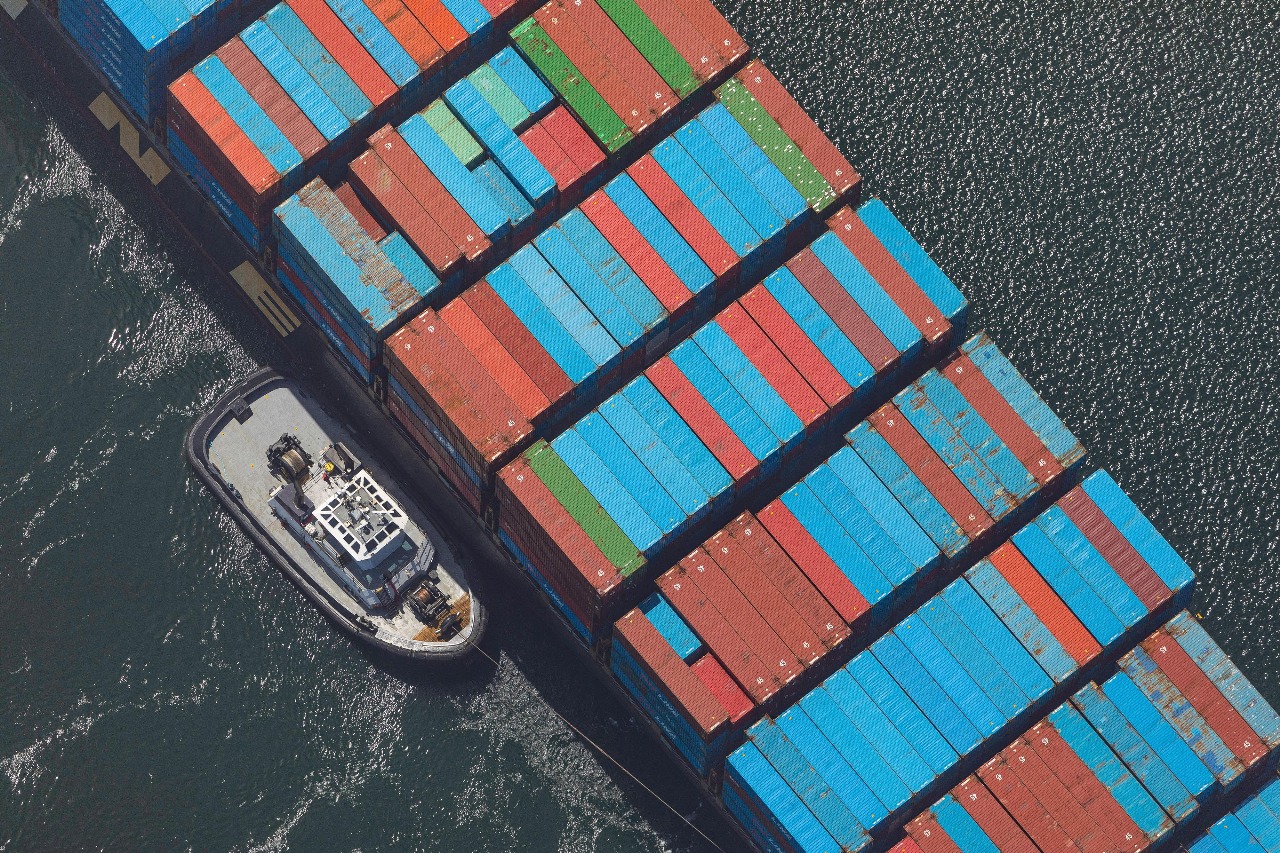
The investment will be directed toward acquiring a mix of container ships, tankers, and support vessels, with a strong emphasis on sourcing from Indian shipyards. This push for domestic procurement is part of a larger effort to revive local shipbuilding and position India as a competitive player in global maritime trade.
Key Highlights From the $2 Billion Expansion Plan
- SCI will acquire a range of vessels including container ships, platform supply vessels, and passenger crafts
- The procurement will be focused on Indian shipyards to boost domestic manufacturing
- The deal is part of a broader national strategy to expand India’s shipping fleet by 1,000 vessels over the next decade
- SCI currently operates 59 ships, including oil supertankers, gas carriers, and container vessels
- The company has not made a major fleet purchase in over six years due to ongoing divestment efforts
Strategic Objectives Behind the Investment
1. Reducing Foreign Freight Dependence
- Indian companies paid over $75 billion in freight charges to foreign carriers in FY2020
- The new fleet aims to capture a larger share of this revenue domestically
- The government targets a one-third reduction in foreign freight payments by 2047
2. Reviving Domestic Shipbuilding
- SCI has floated tenders exclusively for Indian shipyards to build platform supply vessels and high-speed passenger crafts
- Despite initial lack of interest from shipbuilders, the government remains committed to local sourcing
- The initiative is expected to create jobs and stimulate ancillary industries
3. Enhancing Strategic Capacity
- The fleet expansion will support India’s growing energy imports and refined product exports
- SCI’s new vessels will be deployed across key trade routes, including the India-Europe corridor
- The move also strengthens India’s maritime readiness amid global shipping disruptions
Recent Developments and Operational Context
- SCI recently hired a 9,000 TEU container ship for three years, deployed on the IPAK service with Mediterranean Shipping Company
- The company currently owns three container ships and one chartered vessel
- Tenders have been issued for six second-hand container ships and four platform supply vessels
- A previous attempt to acquire ships in 2024 failed due to high freight rates and geopolitical tensions
Challenges and Market Dynamics
- Indian shipyards have shown limited interest in recent tenders due to pricing and capacity constraints
- Global freight rates have fluctuated due to the Red Sea crisis and other geopolitical factors
- SCI’s fleet is aging, with several vessels nearing the end of their operational life
- The company is navigating its divestment process while executing aggressive fleet expansion
Looking Ahead
The $2 billion vessel acquisition plan by Shipping Corporation of India is a strategic leap toward maritime self-reliance. By prioritizing domestic shipbuilding and expanding its fleet, SCI is positioning itself to meet the demands of a rapidly growing economy and global trade environment. The initiative also reflects India’s ambition to become a major maritime power, with a robust fleet capable of supporting both commercial and strategic objectives.
Sources: Bloomberg, Economic Times Infra, Business Standard, Deccan Herald.