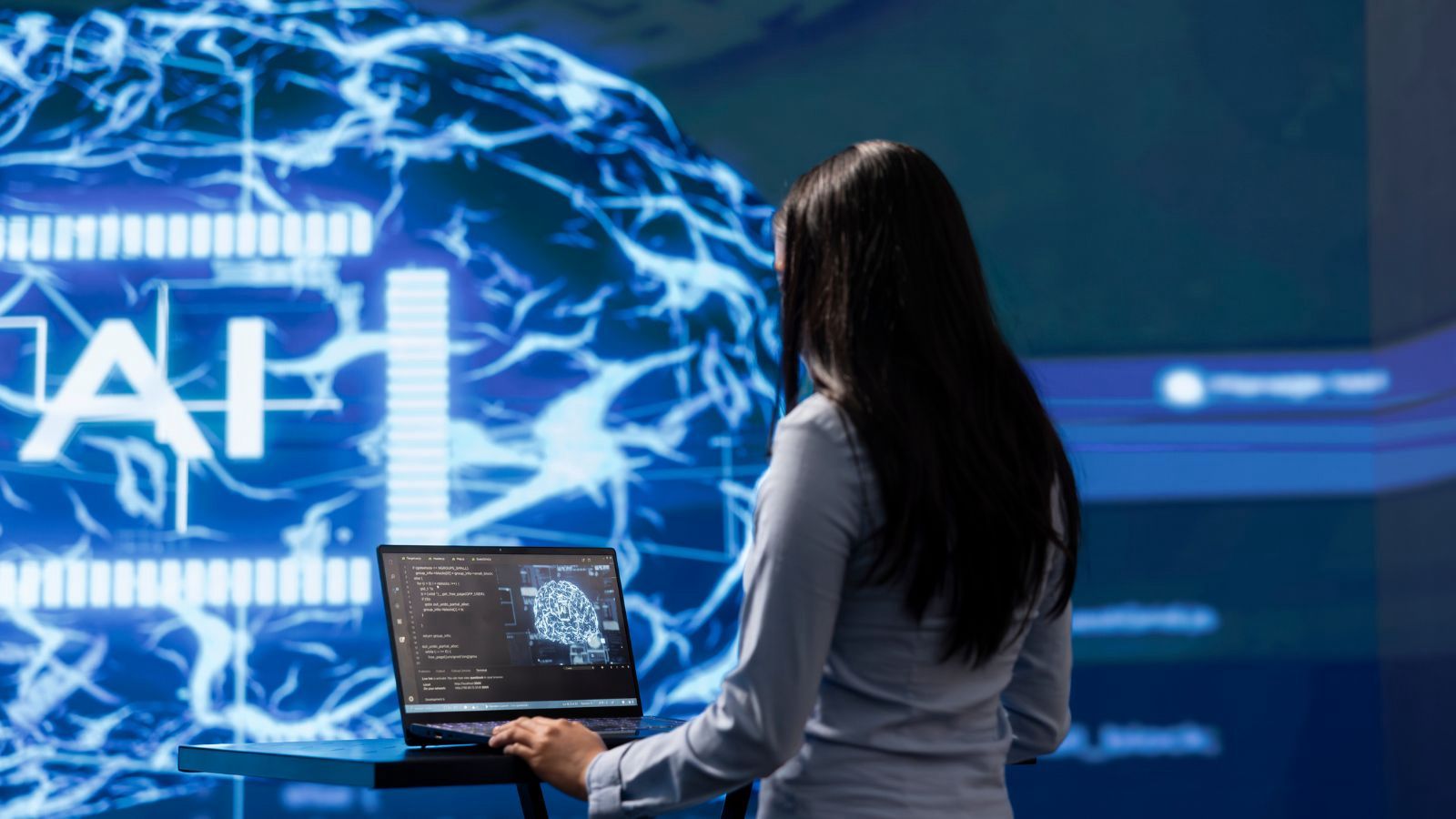
Indian IT firms are scaling up workforce reskilling initiatives to address rapid automation driven by artificial intelligence. According to recent industry reports, nearly 37 percent of entry-level tasks are now handled by AI, prompting major technology providers to pivot toward advanced capability training and human-AI collaboration frameworks to maintain global competitiveness.
Backed by recent industry analytics, technology service providers across India are aggressively overhauling training pipelines to bridge emerging artificial intelligence skill gaps.
Bengaluru — Amid an accelerated global shift toward automated systems, India's multi-billion-dollar information technology sector is undertaking its most extensive structural transformation to date. According to a joint study released by Cognizant and Pearson, alongside strategic framework reviews published by Nasscom, artificial intelligence is actively reshaping entry-level workflows across the country at a pace exceeding global averages. With routine operational tasks increasingly absorbed by generative algorithms, major technology service providers in major hubs like Bengaluru, Hyderabad, and Pune are launching massive, systematic reskilling initiatives to prepare their engineering workforces for an intelligence-driven market.
The Automation Reality and Evolving Entry-Level Roles
Recent empirical data underscores the urgency driving corporate learning and development (L&D) overhauls across the subcontinent. The AI Workforce Pulse study indicates that approximately 37 percent of entry-level tasks in India are already managed by artificial intelligence systems, compared to a 33 percent global average. Furthermore, nearly 18 percent of human resources leaders report that autonomous software now handles half or more of initial-stage corporate assignments.
This swift transition has rendered traditional, degree-based hiring models insufficient for modern enterprise needs. Consequently, Indian IT firms are moving away from legacy outsourcing frameworks toward outcome-based digital transformation models. Companies are establishing internal academies focused on specialized competencies, including:
Advanced Machine Learning: Moving beyond basic scripting into complex model tuning and optimization.
Prompt Engineering & Synthetic Data: Cultivating rigorous expertise in designing, testing, and managing generative outputs securely.
AI Ethics and Governance: Equipping engineers to evaluate algorithmic bias, data privacy, and compliance frameworks.
Industry-Wide Adaptation and Managerial Enablement
To address these acute competency gaps, software giants have integrated continuous learning platforms into their daily operations. According to corporate filings and executive roundtables, middle management is playing a critical supervisory role in bridging traditional software engineering with advanced automated pipelines.
Rather than executing broad workforce reductions, leading firms are prioritizing targeted talent internal mobility. Employees are being transitioned from routine code maintenance and manual data labeling into supervisory roles where human oversight maximizes software efficacy. This systematic upskilling ensures that institutional knowledge is preserved while keeping pace with international enterprise clients who demand sophisticated, AI-augmented delivery models.
Impact on Tech Professionals, Investors, and the Broader Economy
For individual technology professionals, mastering emerging artificial intelligence capabilities has transitioned from a professional preference to an operational necessity. Professionals possessing verified advanced tech certifications face strong market demand, while those reliant solely on legacy coding skills face increasing professional friction.
For market investors, the successful execution of these reskilling programs serves as a key indicator of long-term corporate viability. Firms that effectively integrate automation into their service lines are positioned to protect operating margins and capture high-value enterprise contracts, whereas delayed adaptation risks slowing revenue expansion.
Why It Matters
Proactive workforce reskilling ensures that India's vast technology talent pool maintains its competitive edge globally, safeguarding economic stability and fostering innovation as artificial intelligence reshapes the foundation of modern enterprise software.
Key Facts at a Glance
Automation Rate: Approximately 37 percent of entry-level tasks in India are currently handled by artificial intelligence.
Skill Shift: High demand is concentrated in generative model supervision, machine learning, data governance, and AI ethics.
Corporate Response: Major Indian IT providers are replacing legacy training with continuous, internal upskilling platforms.
Strategic Goal: Transitioning the workforce from basic coding maintenance toward high-value, human-AI collaborative problem-solving.
FAQ Section
Why are Indian IT firms urgently accelerating AI reskilling programs?
With artificial intelligence handling an increasing share of routine entry-level coding and data tasks, IT firms must retrain their workforce to manage advanced automated systems and meet changing global client demands.
How is the rise of AI affecting entry-level hiring in the tech sector?
While traditional entry-level tasks are automated, employers increasingly prioritize candidates who can demonstrate practical AI application, prompt engineering, and critical problem-solving skills alongside technical degrees.
What specific technical capabilities are emphasized during reskilling?
Training programs focus heavily on advanced machine learning, synthetic data generation, AI ethics, software auditing, and secure cloud integration frameworks.
Where can stakeholders review formal industry reports on AI workforce trends?
Detailed analytical reports and empirical workforce data are publicly available through the Cognizant Official Newsroom and the Nasscom Community Portal.
Source: Cognizant Official Newsroom, Nasscom Community Portal