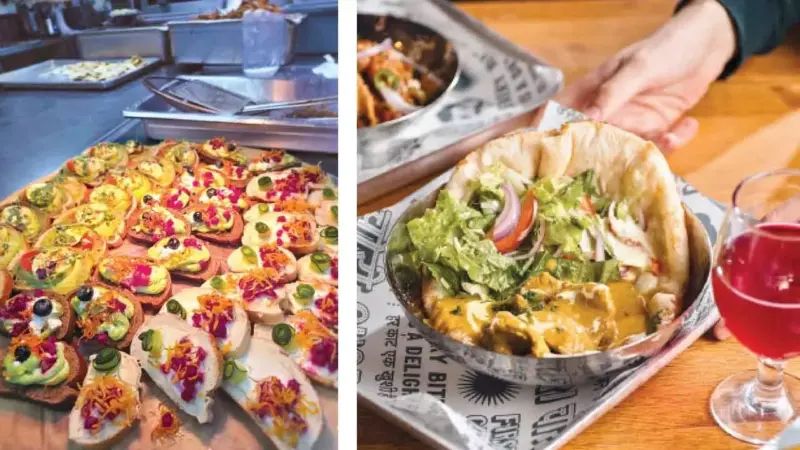
Spice of Life: How Indian Cuisine Captured the American Mainstream
Pearl Doshi - Gujarat Bureau Jun 11, 2026 1,650 Views
Indian cuisine has solidified its place in the American mainstream, with the ethnic food sector tracking toward a $13.42 billion valuation by 2030. Driven by a desire for authentic global flavors and sustainable plant-based options, modern consumers are bypassing traditional comfort foods to embrace regional biryani, street-style chaat, and high-end fine dining.
NEW YORK — Indian cuisine in the United States has reached a historic commercial inflection point, officially crossing over from a siloed, localized dining segment into a leading element of the mainstream American restaurant sector. Data from national foodservice intelligence channels indicate that the broader ethnic food space in the U.S. is tracking toward a projected valuation of $13.42 billion by 2030, maintaining a compound annual growth rate (CAGR) of 7.6%.
According to tracking metrics compiled by flavor-mapping agency Datassential, the velocity of standalone Indian restaurant openings across major metropolitan areas has dramatically accelerated. In a single reference window, new Indian culinary establishment openings climbed to 115 within a single month, more than doubling the volume logged during comparable historical intervals over the last decade. This structural expansion highlights a major evolution in domestic dining habits, shifting consumer habits firmly away from watered-down, generalized buffets toward highly specific, hyper-regional storytelling.
Moving Past the Butter Chicken Comfort Zone
The underlying drivers of this culinary movement show a dramatic pivot in consumer preference. For decades, the standard American exposure to South Asian menus was largely confined to two predictable entry points: Chicken Tikka Masala and classic Naan. However, specialized consumer panel evaluations provided by Tastewise indicate that these historic legacy options are actually starting to experience downward volume trajectories in major food centers.
Instead, adventurous millennial and Gen Z diners are actively seeking out localized regional dishes, resulting in substantial year-over-year consumption spikes for alternative menu options.
This market transformation is heavily supported by the parallel growth of fast-casual street food franchises and Michelin-starred fine dining establishments. Concepts such as Vikas Khanna's Bungalow in New York City and Srijith Gopinathan’s Copra in San Francisco consistently see their reservation lines booked months in advance, demonstrating that premium price tags are no barrier to authentic Indian preparation styles.
The Intersection of Wellness, Convenience, and Retail Scale
The mainstream transition of Indian cuisine is deeply linked to two structural shifts in American consumer lifestyles: the rise of holistic health consciousness and the explosive growth of specialized digital e-commerce channels.
The Plant-Based Advantage
Because traditional Indian culinary frameworks inherently rely on an expansive, complex repertoire of vegetarian and vegan recipes, the sub-cuisine functions as a natural destination for consumers pursuing flexitarian or plant-forward lifestyles. Lentil-based dals, vegetable parathas, and high-protein paneer alternatives naturally satisfy the nutritional standards today's wellness-oriented diners demand without sacrificing deep, complex flavor profiles.
Furthermore, traditional ingredients long celebrated in Ayurvedic traditions—including antioxidant-rich turmeric, fenugreek (methi), amla, and grass-fed ghee—have fully integrated into the premium wellness sector. Rather than searching through specialty boutique grocers, mainstream shoppers can now buy these ingredients from direct-to-consumer digital channels and standard retail chains across the country.
Authoritative Voices on the Changing Culinary Landscape
Industry operators emphasize that the current market evolution reflects a permanent structural realignment of the American palate, rather than a brief, passing trend.
"The success of concepts like Chai Pani and Vikas Khanna's Bungalow shows how Indian street food can evolve into fine dining without losing its soul," explained celebrity chef Mariko Amekodommo in a culinary sector analysis by AgroSpectrum Asia."The plating may be modern, but the heart remains the same—food that connects people through joy, color, and spice.It's authenticity redefined as sophistication, much like ramen or tacos once transitioned from street to table."
Roni Mazumdar, founder of Unapologetic Foods—the revolutionary hospitality collective behind acclaimed New York venues Dhamaka and Semma—echoed this perspective on the fading stigma around traditional flavor intensity:
"The resulting ethos is, 'Don't give me a diluted version; give me the real stuff.' I thought whatever work we do will probably happen after my lifetime. And I had this faint, deep-seated hope that—my god, one day, what if it is kind of OK and normal, where somebody can say, 'I'm gonna get a biryani,' or 'I'm gonna get a bowl of pasta,' or 'I'll go get some sushi,' and none of it sounds foreign."
Why It Matters
For American consumers and agricultural suppliers, the mainstreaming of Indian cuisine creates an immediate economic ripple effect. A diverse dining ecosystem broadens corporate supply chains, accelerating demand for specialty imports like basmati rice, Kashmiri chili, cardamom, and premium dairy fats.
For the hospitality industry, the high flavor profile and lower base ingredient costs typical of street food models provide fast-casual restaurant operators with robust profit margins. This economic viability encourages young hospitality entrepreneurs to expand and scale innovative new concepts into multi-state footprints.
Key Facts at a Glance
Market Scale: The broader U.S. ethnic food segment is tracking toward a projected valuation of $13.42 billion by 2030, growing at a stable 7.6% CAGR.
Opening Velocity: Monthly data from industry tracking indexes show new Indian restaurant openings have more than doubled compared to late-2010 averages.
Shifting Preferences: Standard entries like chicken tikka masala are leveling off as regional alternatives like biryani (up 10%) and chaat (up 9%) lead growth.
Wellness Core: The inherent plant-based structure of regional Indian dining aligns directly with the booming American demand for sustainable, plant-forward nutrition.
Frequently Asked Questions
Why is Indian food suddenly becoming so popular in the United States?
The growth is fueled by a combination of a highly affluent South Asian diaspora, an analytical push from millennial and Gen Z diners seeking authentic international profiles, and a growing domestic focus on complex plant-forward meals.
Is the trend limited to major cities like New York and San Francisco?
While major urban centers serve as the launchpads for fine-dining innovation, scalable fast-casual street food franchises and comprehensive e-commerce grocery delivery platforms are making regional Indian ingredients highly accessible across suburban markets nationwide.
What specific ingredients are seeing the highest growth in retail?
High-quality kitchen staples like ghee (clarified butter), paneer cheese, texturizing elements like sev (chickpea noodles), and specialized spice blends like garam masala are leading cross-over sales in conventional supermarkets.