




Loading market data...
ADVERTISEMENT

Latest Top News
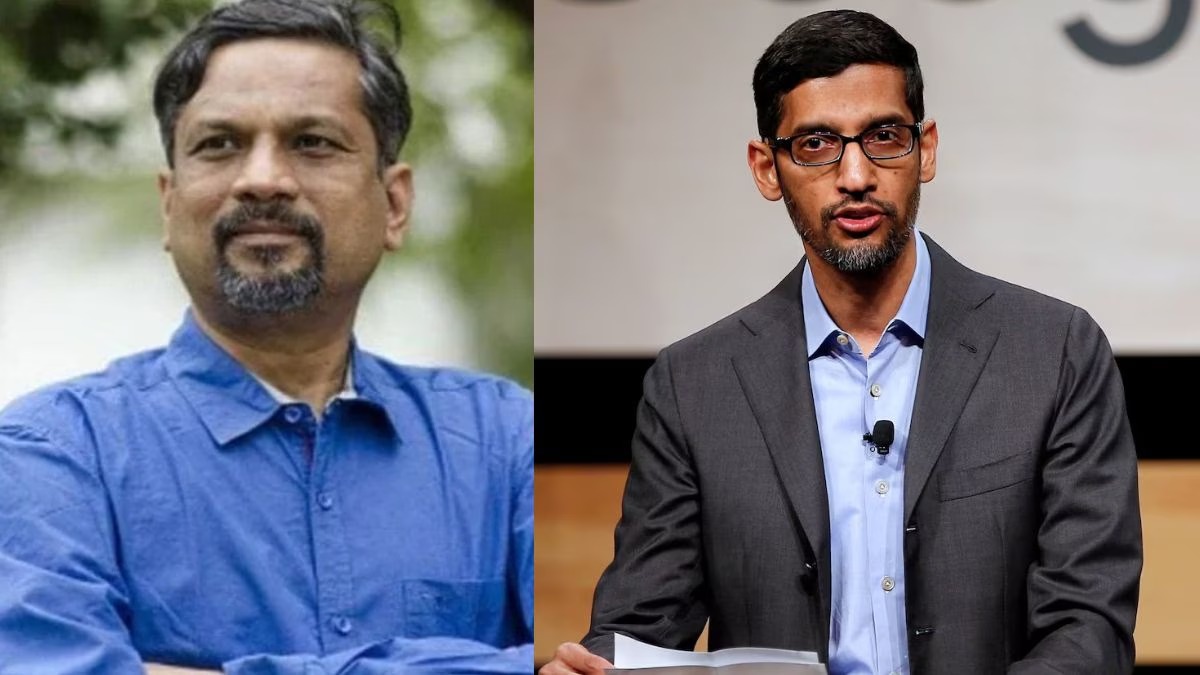
Sundar Pichai Champions Vibe Coding, Sridhar Vembu Pushes Back
Vibe Coding is an AI-assisted programming approach coined by Andrej Karpathy in 2025, where developers describe tasks in plain language and AI generates the code. Sundar Pichai supports it as a democratizing tool, while Sridhar Vembu warns it risks oversimplifying software development. The debate reflects contrasting visions of coding’s future.
Stay Ahead – Explore Now! India and Bangladesh Release Joint Statement After Border Security Talks
ADVERTISEMENT

Latest Updates

Mercedes-Benz India Steers Past Headwinds to Fuel...
15 Jun 2026, 11:45 PM
Sanon’s Andheri Asset Action: Family Bags ₹4.6 Cr...
15 Jun 2026, 11:42 PM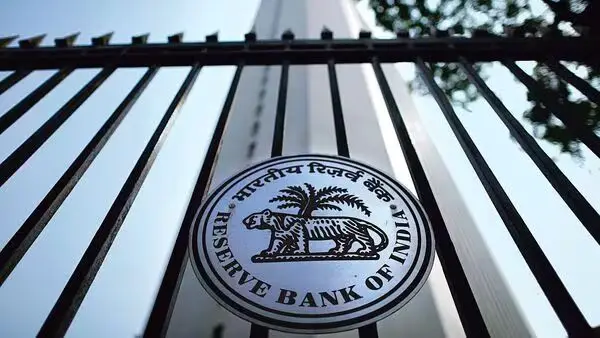
Banking on Trust: RBI Bans Coercive Bundling and A...
15 Jun 2026, 11:39 PM
AI Over the Hill: Gemini Picks Winner in Summer Tr...
15 Jun 2026, 11:36 PM
Track to Uttarakhand: Namo Bharat Expansion Nears...
15 Jun 2026, 10:18 PMADVERTISEMENT

Top Stories
Mercedes-Benz India Steers Past Headwinds to Fuel...
15 Jun 2026, 11:45 PM
Sanon’s Andheri Asset Action: Family Bags ₹4.6 Cr...
15 Jun 2026, 11:42 PM
Banking on Trust: RBI Bans Coercive Bundling and A...
15 Jun 2026, 11:39 PM