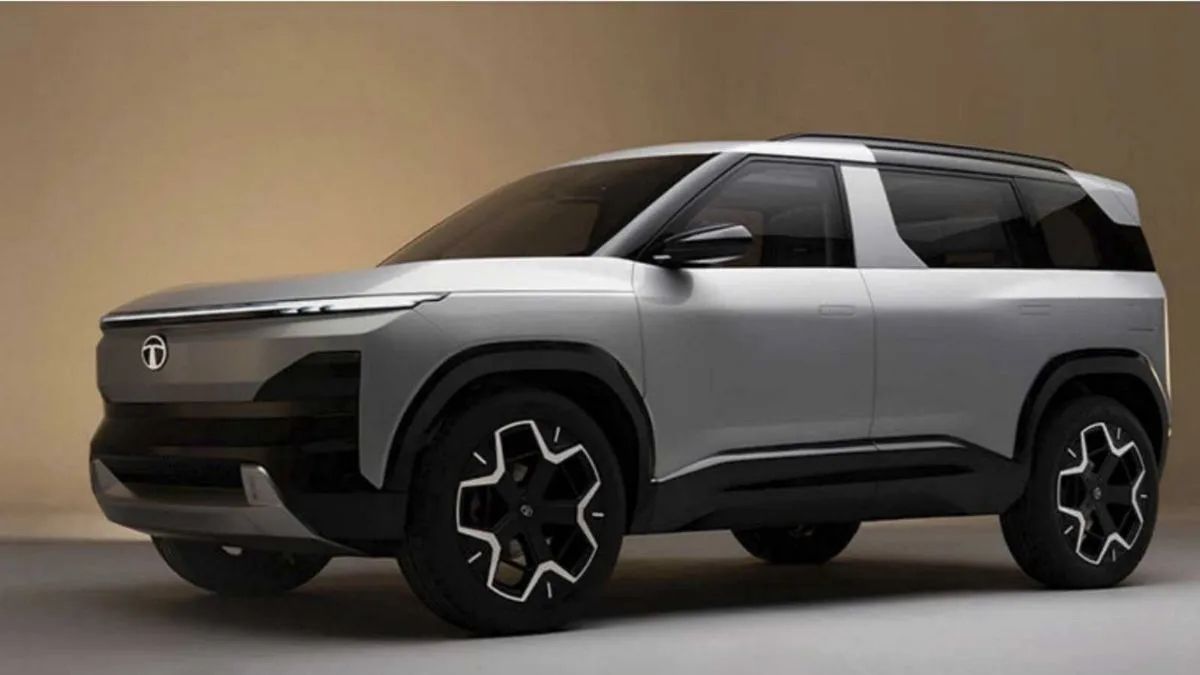
Tata Motors is set to launch the highly anticipated Sierra EV on June 30, 2026. Representing a core part of the company's multi-powertrain strategy, the electric SUV will feature dual-motor AWD and Acti.EV+ technology to challenge mid-size rivals as Tata continues to see record-breaking growth in its electric vehicle sales.
MUMBAI — Tata Motors is set to expand its electric vehicle (EV) portfolio with the official debut of the Tata Sierra EV on June 30, 2026. This launch represents a strategic pivot for the homegrown automaker as it seeks to balance the sustained demand for internal combustion engine (ICE) vehicles with a rapid, aggressive expansion into the premium electric space.
The move comes at a time of significant growth for Tata’s electric business, which recently achieved a historic milestone by surpassing 10,000 monthly sales in May 2026. While the company’s ICE models continue to provide the bulk of total volume, the Sierra EV is designed to capture the growing demographic of buyers seeking high-performance, long-range, and feature-rich electric SUVs.
Electrifying a Legacy Nameplate
The decision to reintroduce the iconic Sierra nameplate as a dedicated electric vehicle is being viewed by industry analysts as a calculated move to bridge nostalgia with future-ready technology. Built on Tata’s advanced Acti.EV+ architecture, the Sierra EV is expected to offer a premium experience that sits between the Curvv EV and the flagship Harrier EV in the brand’s lineup.
According to technical previews and company teasers, the SUV will feature dual-motor All-Wheel Drive (AWD) capabilities, market-leading battery range, and a sophisticated, tech-heavy cabin. By prioritizing EV-specific styling—such as a closed-off front grille and integrated LED light bars—Tata is signaling a clear visual departure from its combustion-powered counterparts.
Strategic Shift Amidst Market Changes
Data from May 2026 indicates that while total passenger vehicle sales for Tata Motors rose by 42% year-on-year, EV volumes surged by a staggering 85%. This sharp uptick suggests a growing consumer appetite for battery-powered transport, even as traditional diesel and petrol engines continue to serve as the backbone of the company's "multi-powertrain" strategy.
Tata Motors has confirmed that it intends to grow its total lineup to 15 ICE cars and 10 EVs by FY2031. The Sierra EV serves as a critical pillar in this roadmap, targeting the competitive Rs 18 lakh to 25 lakh price bracket where it will face off against rivals like the Mahindra BE 6 and the upcoming Hyundai Creta Electric.
Why It Matters
For the Indian consumer, the launch of the Sierra EV signifies a shift in the EV narrative from "urban commuter" to "all-terrain performer." By offering dual-motor AWD and robust charging infrastructure support, Tata is addressing key range and performance anxieties. For investors, the vehicle represents a crucial test of whether Tata can maintain high profit margins while transitioning its customer base toward a more electric-heavy model mix.
Key Facts at a Glance
Launch Date: June 30, 2026.
Platform: Built on the advanced Acti.EV+ architecture.
Performance: Expected battery options include 65kWh and 75kWh packs with a target range of up to 500-600 km.
Drivetrain: Features Quad Wheel Drive (QWD) dual-motor technology for all-terrain capability.
Market Position: Expected pricing between Rs 18–28 lakh, targeting the premium mid-size SUV segment.
FAQ
What makes the Sierra EV different from the ICE version?
The Sierra EV features a specialized Acti.EV+ architecture, an electric-only powertrain with optional dual-motor AWD, and a closed-off aero-optimized front design.
Will the ICE Sierra still be available?
Yes, Tata Motors continues to expand its ICE portfolio, including upcoming CNG and All-Wheel Drive variants of the traditional Sierra, adhering to a multi-powertrain strategy.
What are the primary competitors for the Sierra EV?
The SUV will compete against the Mahindra BE 6, MG ZS EV, Hyundai Creta Electric, and the upcoming Maruti e Vitara.
Source: Autocar India, The Economic Times, CarLelo News